Transportation Management Software Guide: Freight Planning, Routing, and Logistics Analytics
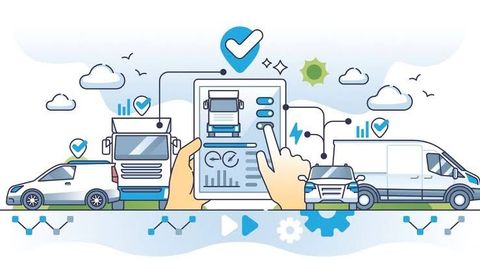
Transportation management software, commonly called a TMS, helps organizations plan, execute, monitor, and analyze the movement of freight.
TMS platforms are used by manufacturers, distributors, retailers, wholesalers, logistics providers, e-commerce organizations, and businesses managing domestic or international transportation.
Modern transportation systems can connect shipment planning, carrier information, routing, freight tracking, documentation, warehouse operations, transportation analytics, and logistics reporting.
Why Transportation Management Software Matters
Transportation operations can involve large numbers of shipments, carriers, routes, delivery locations, schedules, and transportation documents.
Manual processes can make it difficult to coordinate shipments and maintain visibility across transportation activities.
Transportation management software can centralize:
Freight planning
Shipment scheduling
Carrier management
Route planning
Load planning
Shipment tracking
Delivery management
Freight documentation
Transportation analytics
Exception management
Logistics reporting
Centralized transportation data can provide greater visibility into shipments and operational performance.
What Is Transportation Management Software?
Transportation management software is technology designed to coordinate freight movement from planning through delivery.
Depending on the platform, capabilities may include:
Shipment planning
Load consolidation
Carrier selection
Route optimization
Rate management
Freight tracking
Dispatch coordination
Delivery scheduling
Transportation documentation
Freight analytics
Exception management
Carrier performance reporting
The appropriate functionality depends on shipment volume, transportation modes, geographic coverage, carrier network, and logistics requirements.
Freight Planning
Freight planning helps organizations determine how shipments should move through the transportation network.
Planning may consider:
Shipment origin
Destination
Freight characteristics
Weight and dimensions
Delivery windows
Transportation mode
Carrier availability
Vehicle capacity
Shipment priority
Geographic constraints
TMS platforms can help consolidate compatible shipments and coordinate transportation requirements.
A typical planning workflow may look like:
Order → Freight Planning → Carrier Assignment → Route → Shipment → Tracking → Delivery
Route Optimization
Route optimization is a major capability within many transportation management systems.
Routing systems may consider:
Distance
Travel time
Delivery windows
Vehicle capacity
Traffic information
Road restrictions
Stop sequences
Driver availability
Shipment priority
Optimization recommendations should be reviewed against actual operating conditions, safety requirements, vehicle restrictions, and transportation policies.
Carrier Management
Organizations often work with multiple transportation providers.
Transportation management software can help maintain information about:
Carrier profiles
Transportation modes
Service areas
Capacity
Performance
Documentation
Contract information
Shipment history
Delivery performance
Carrier analytics can help organizations monitor transportation activity and compare performance against established operational requirements.
Freight Rate Management
Transportation expenses can depend on factors such as shipment characteristics, transportation mode, distance, carrier agreements, accessorial charges, and market conditions.
TMS platforms may support:
Rate tables
Contract rates
Freight quotes
Accessorial charges
Shipment estimates
Invoice comparison
Transportation-spend reporting
Rate-management functionality should be configured according to actual contracts, transportation agreements, and applicable business rules.
Load Planning and Consolidation
Load planning helps determine how shipments can be organized within available transportation capacity.
Planning may consider:
Weight
Dimensions
Vehicle capacity
Shipment priority
Delivery sequence
Product characteristics
Loading restrictions
Delivery windows
Freight consolidation can combine compatible shipments into coordinated transportation movements.
Shipment Tracking and Visibility
Transportation visibility allows organizations to monitor shipments after dispatch.
Tracking information may include:
Shipment status
Current location
Estimated arrival
Departure time
Delivery confirmation
Delays
Route deviations
Exception events
Depending on the transportation mode, tracking may use GPS, carrier data, telematics, electronic data interchange, application programming interfaces, or other data sources.
Transportation and Warehouse Integration
Transportation operations are closely connected with warehouse activity.
A broader logistics workflow can look like:
Supplier → Warehouse → Order → Transportation Planning → Carrier → Shipment → Delivery
TMS platforms may integrate with:
Warehouse management systems
ERP platforms
Order-management systems
Inventory systems
E-commerce platforms
Fleet management systems
Carrier platforms
Accounting systems
Integration can help synchronize shipment information between warehouse, transportation, and financial processes.
Freight Documentation
Transportation activities can involve multiple records and documents.
Depending on the shipment, documentation may include:
Bills of lading
Delivery confirmations
Packing information
Shipment manifests
Carrier records
Freight invoices
Customs documentation
Transportation contracts
Proof-of-delivery records
Digital document workflows can help organizations maintain transportation records and connect them to individual shipments.
Transportation Analytics
Transportation analytics can convert shipment data into operational insights.
Common metrics include:
| Metric | What It Can Show |
|---|---|
| On-time delivery | Whether shipments arrive within defined windows |
| Transit time | Time required to move freight |
| Freight spend | Transportation expenditure over a period |
| Carrier performance | Delivery and operational performance |
| Load utilization | Use of available transportation capacity |
| Route efficiency | Effectiveness of planned routes |
| Shipment volume | Number of shipments or loads |
| Exception rate | Frequency of delays or other exceptions |
| Tender acceptance | Carrier response to transportation assignments |
| Delivery accuracy | Whether shipments reach the intended destination |
Metrics should be interpreted according to transportation mode, shipment type, geography, and business requirements.
Freight Audit and Payment
Some transportation management platforms include freight-audit capabilities.
These may help organizations compare transportation invoices against:
Contracted rates
Shipment records
Accessorial charges
Delivery information
Carrier agreements
Approved transportation activity
Automated comparisons can help identify discrepancies for further review.
International Transportation Planning
International freight can involve additional planning requirements.
Organizations may need to coordinate:
Ocean freight
Air freight
Road transportation
Rail transportation
Customs documentation
Import information
Export records
Trade terms
Shipment classification
Port or terminal activity
International requirements vary by country, commodity, transportation mode, and transaction.
Organizations should verify current customs, trade, documentation, and transportation requirements with appropriate authorities and qualified professionals.
Artificial Intelligence in Transportation Management
AI and advanced analytics are increasingly being incorporated into transportation technology.
Potential applications include:
Demand forecasting
Route recommendations
Carrier selection
Load optimization
Estimated arrival forecasting
Shipment anomaly detection
Transportation capacity forecasting
Freight-spend analysis
Exception prioritization
AI-generated recommendations should be reviewed against operational constraints, transportation agreements, safety requirements, and data quality.
Organizations should also evaluate how automated systems process location, shipment, carrier, and customer information.
Transportation Data Security
Transportation systems can contain sensitive operational and commercial information.
Data may include:
Customer locations
Shipment information
Carrier records
Transportation rates
Delivery schedules
Vehicle information
Trade documentation
Employee or driver information
Organizations should evaluate:
Authentication
Role-based access
Encryption
API security
Audit logging
Data retention
Vendor security
Mobile-device security
Backup procedures
Access should generally be restricted according to legitimate business responsibilities.
Transportation Management Implementation Planning
Organizations evaluating a TMS can use a structured implementation process.
1. Map transportation workflows
Document order creation, freight planning, carrier assignment, shipment tracking, delivery confirmation, invoice processing, and reporting.
2. Identify transportation requirements
Determine transportation modes, shipment volumes, geographic coverage, carrier networks, delivery requirements, and operational constraints.
3. Review integrations
Identify ERP, WMS, fleet, accounting, e-commerce, carrier, and order-management systems that need to exchange information.
4. Establish transportation rules
Configure carrier requirements, shipment priorities, routing rules, delivery windows, rate structures, and exception processes.
5. Configure visibility
Determine which shipment, carrier, location, and delivery information should be monitored.
6. Test operational scenarios
Test shipment planning, carrier assignment, route changes, delays, cancellations, delivery exceptions, invoice matching, and system integrations.
Transportation Management Planning Checklist
Organizations evaluating transportation management software can review:
Define transportation modes
Identify shipment volumes
Review freight-planning requirements
Evaluate carrier-management capabilities
Assess route optimization
Review load-planning tools
Evaluate shipment tracking
Assess freight-rate management
Review transportation analytics
Evaluate freight-audit functionality
Assess WMS and ERP integrations
Review international transportation requirements
Evaluate data-security controls
Define user permissions
Test transportation workflows
Tools and Resources
Organizations researching transportation management technology can review:
Transportation management systems: For freight planning, execution, tracking, and analytics.
Carrier-management platforms: For managing carrier information and performance.
Route-planning tools: For optimizing shipment routes and transportation sequences.
Freight-tracking systems: For monitoring shipment status and estimated arrival information.
Warehouse management systems: For connecting warehouse activity with transportation planning.
ERP platforms: For integrating transportation with broader financial and operational processes.
Freight-audit tools: For reviewing transportation invoices and shipment records.
Transportation dashboards: For monitoring freight activity, carrier performance, and logistics metrics.
Transportation authorities: For reviewing applicable transportation, safety, customs, and regulatory requirements.
FAQs
What is transportation management software?
Transportation management software is technology used to plan, execute, monitor, and analyze freight transportation. It can support shipment planning, carrier management, routing, tracking, documentation, and logistics analytics.
What is the difference between TMS and logistics management software?
A TMS focuses specifically on transportation planning and execution. Logistics management software can cover a broader range of activities, potentially including warehousing, inventory, transportation, procurement, and supply-chain processes.
Can a TMS optimize freight routes?
Many transportation management systems provide route-planning or optimization capabilities. Recommendations may consider distance, delivery windows, vehicle capacity, shipment priority, and other operational factors.
Can transportation management software track shipments?
Many TMS platforms provide shipment-visibility capabilities using carrier data, GPS, telematics, APIs, EDI, or other information sources. Tracking capabilities vary by platform and transportation mode.
Can TMS software integrate with warehouse and ERP systems?
Many TMS platforms provide integrations with WMS, ERP, accounting, order-management, e-commerce, carrier, and fleet systems. Available integration capabilities depend on the platform and configuration.
Conclusion
Transportation management software connects freight planning, carrier coordination, routing, shipment tracking, documentation, transportation analytics, and logistics operations within a centralized technology environment.
Organizations evaluating a TMS should consider transportation modes, shipment volume, carrier networks, routing complexity, warehouse and ERP integration, shipment visibility, analytics, data security, and compliance requirements.
Because transportation operations differ across industries and jurisdictions, software should support—not replace—appropriate human oversight, transportation policies, safety procedures, contractual controls, and professional guidance.

Related Post...

Quality Management Software Guide: Compliance Records, Audits, and Business Processes
Updated: September 22, 2026
Read More
Workforce Management Software Guide: Scheduling, Attendance, and Labor Planning
Updated: September 22, 2026
Read More
CPQ Software Guide: Product Configuration, Quoting Workflows, and Sales Planning
Updated: September 22, 2026
Read More