Restaurant Management Software Guide: Operations, Staff Scheduling, and Business Planning
Restaurants coordinate many activities at the same time, including orders, payments, reservations, kitchen operations, inventory, staff schedules, purchasing, and financial reporting.
Restaurant management software brings these workflows into connected digital systems. Depending on the platform, it can support point-of-sale operations, employee scheduling, inventory management, reservations, kitchen coordination, reporting, and business analytics.
The appropriate technology depends on the restaurant's size, service model, number of locations, operating processes, and existing technology environment.
Why Restaurant Management Software Matters
Restaurant operations depend on coordination between front-of-house, kitchen, management, suppliers, and financial teams.
Restaurant management software can help manage:
Point-of-sale transactions
Staff scheduling
Employee time records
Table and reservation management
Menu information
Inventory
Purchasing
Kitchen workflows
Customer information
Financial reporting
Sales analytics
Multi-location operations
Centralized information can help managers understand daily activity and coordinate restaurant operations more consistently.
What Is Restaurant Management Software?
Restaurant management software is a category of technology designed to coordinate restaurant business operations.
Depending on the platform, functionality can include:
POS systems
Restaurant scheduling software
Inventory management
Table management
Reservation management
Menu management
Kitchen display systems
Employee time tracking
Purchasing
Financial reporting
Customer relationship management
Business analytics
Some restaurants use an integrated platform, while others connect specialized systems through software integrations.
Point-of-Sale Operations
A point-of-sale system is often a central component of restaurant technology.
POS capabilities can include:
Order entry
Menu management
Table assignment
Payment processing
Discounts and adjustments
Receipts
Sales reporting
Employee permissions
Order routing
Restaurant POS systems can also connect with kitchen displays, inventory systems, accounting platforms, and customer-management tools.
Staff Scheduling
Staff scheduling is a major operational requirement for restaurants.
Scheduling software can help managers coordinate:
Employee availability
Shift schedules
Department assignments
Labor demand
Time-off requests
Shift changes
Attendance
Overtime monitoring
Labor forecasting
Scheduling can be adjusted according to expected customer demand, restaurant operating hours, employee availability, and applicable employment requirements.
Employee Time Tracking
Restaurant management platforms may include timekeeping functions.
These can support:
Clock-in and clock-out
Shift records
Break tracking
Timesheet review
Attendance reporting
Labor-hour analysis
Accurate time records can help restaurants monitor labor activity and support payroll workflows.
Payroll calculations should remain aligned with applicable employment laws and the organization's payroll procedures.
Inventory Management
Food and beverage inventory can represent a significant operational area for restaurants.
Inventory systems can track:
Ingredients
Beverages
Packaging
Stock levels
Purchases
Transfers
Waste records
Inventory adjustments
Reorder levels
Some systems can connect inventory usage with POS sales to provide more detailed information about product movement.
Food Cost and Inventory Planning
Restaurant managers may use inventory information to monitor food-related financial performance.
Relevant metrics can include:
Inventory levels
Purchase volume
Ingredient usage
Waste
Product variance
Menu-item performance
Purchasing trends
Accurate inventory data can support planning, but results depend on consistent receiving, counting, recipe, portion, and waste-recording procedures.
Restaurant Reservations and Table Management
Reservation and table-management systems can help coordinate dining-room capacity.
Features may include:
Reservation records
Table assignments
Guest information
Waitlists
Seating status
Reservation modifications
Cancellation tracking
Dining-time analysis
Restaurants can also connect reservation systems with customer-management platforms and other operational tools.
Kitchen Operations
Restaurant technology can connect front-of-house orders with kitchen workflows.
Kitchen systems may support:
Order routing
Kitchen display screens
Preparation status
Order prioritization
Special instructions
Completed-order notifications
Kitchen performance reporting
Digital order routing can reduce manual communication between service staff and kitchen teams.
Menu Management
Restaurant management systems can maintain digital menu information across connected channels.
Menu data may include:
Menu items
Prices
Ingredients
Modifiers
Categories
Availability
Dietary information
Tax settings
For multi-location restaurants, centralized menu management can help coordinate changes across multiple operating locations.
Purchasing and Supplier Management
Restaurants regularly coordinate purchasing activities with suppliers.
Software may track:
Purchase orders
Supplier information
Product catalogs
Delivery records
Purchase history
Inventory receipts
Pricing records
Connecting purchasing and inventory information can provide a clearer view of stock movement and procurement activity.
Restaurant Financial Reporting
Restaurant management software can provide operational financial information.
Common reporting areas include:
Sales
Transaction volume
Labor activity
Inventory activity
Purchase records
Discounts
Refunds
Revenue by location
Menu-item performance
Restaurants may integrate these systems with accounting and financial-management platforms for broader reporting.
Multi-Location Restaurant Management
Organizations operating multiple restaurants often need centralized visibility.
Multi-location platforms can help manage:
Location-level sales
Staff schedules
Menus
Inventory
Purchasing
Performance reporting
User permissions
Operational standards
Centralized reporting can allow management teams to compare locations using consistent definitions and reporting periods.
Restaurant Analytics and Business Planning
Restaurant analytics can help managers understand operational trends.
Common metrics include:
| Metric | What It Helps Track |
|---|---|
| Sales revenue | Overall transaction performance |
| Average check | Average transaction value |
| Table turnover | Dining-room utilization |
| Labor hours | Workforce allocation |
| Labor utilization | Workforce efficiency |
| Inventory variance | Difference between expected and recorded inventory |
| Waste | Product loss and waste activity |
| Reservation volume | Booking activity |
| Menu-item sales | Product-level demand |
| Location performance | Comparative operating activity |
Metrics should be interpreted alongside restaurant type, location, operating hours, seasonality, and business model.
Automation and AI in Restaurant Management
Restaurant software increasingly incorporates automation and AI.
Potential applications include:
Demand forecasting
Staff scheduling recommendations
Inventory forecasting
Automated reorder alerts
Sales analysis
Menu analytics
Reservation management
Customer segmentation
Workforce reporting
Operational forecasting
AI-generated recommendations should be reviewed by restaurant management before being used for important financial, workforce, operational, or customer-related decisions.
Data Security and Restaurant Technology
Restaurant systems may process payment, employee, customer, supplier, and financial information.
Security considerations can include:
Role-based access
Multi-factor authentication
Encryption
Payment-data controls
Audit logs
Backup procedures
Access reviews
Data-retention policies
Vendor security assessments
Secure integrations
Restaurants should also review applicable payment-security, privacy, employment, and consumer-protection requirements.
Restaurant Management Software Selection
When evaluating restaurant management software, organizations can consider:
Restaurant size
Number of locations
POS requirements
Staff scheduling
Time tracking
Inventory management
Reservation management
Kitchen operations
Purchasing
Accounting integrations
Reporting
Mobile functionality
Payment security
User permissions
Scalability
Technology should be selected according to actual restaurant workflows rather than simply the number of available features.
Restaurant Management Planning Checklist
Before implementing restaurant management software, teams can review:
Define POS requirements
Document staff-scheduling workflows
Review employee time-tracking needs
Define inventory-management requirements
Review purchasing workflows
Document reservation and table-management processes
Evaluate kitchen-order workflows
Define financial-reporting requirements
Review accounting integrations
Establish user permissions
Review payment and data-security controls
Assess multi-location requirements
Plan data migration
Establish employee training procedures
Define ongoing performance metrics
Tools and Resources
Useful resources for restaurant technology planning include:
Restaurant POS systems
Employee scheduling platforms
Time-tracking systems
Inventory-management software
Reservation platforms
Kitchen display systems
Accounting systems
Purchasing platforms
Customer-management systems
Workforce-management tools
Business intelligence dashboards
Multi-location reporting platforms
Restaurants should also review applicable food-safety requirements, employment rules, payment-security obligations, accessibility requirements, privacy requirements, and local operating regulations.
Frequently Asked Questions
1. What is restaurant management software?
Restaurant management software is technology used to coordinate restaurant operations such as POS transactions, staff scheduling, inventory, reservations, purchasing, kitchen workflows, reporting, and business planning.
2. Can restaurant software manage employee schedules?
Many platforms provide employee scheduling features that can manage shifts, availability, time-off requests, attendance information, and labor planning.
3. Does restaurant management software include inventory management?
Many systems can track ingredients, purchases, stock levels, waste, inventory adjustments, and product usage. Capabilities vary by platform.
4. Can restaurant management software support multiple locations?
Many restaurant platforms provide centralized management and reporting across multiple locations, including sales, schedules, menus, inventory, and user permissions.
5. What should restaurants consider when selecting management software?
Important considerations include POS functionality, scheduling, inventory, reservations, kitchen operations, purchasing, accounting integrations, reporting, security, scalability, and the restaurant's specific operating model.
Conclusion
Restaurant management software connects POS operations, staff scheduling, inventory, reservations, kitchen workflows, purchasing, financial reporting, and business analytics.
A centralized technology environment can help restaurant managers maintain better visibility into daily operations, workforce activity, inventory, sales, and location performance.
Before selecting a platform, restaurant organizations should define their operational workflows, workforce requirements, inventory processes, financial integrations, security controls, and reporting objectives. Technology should then be evaluated against those established business requirements.

Related Post...

Warehouse Management Software Guide: Inventory Control, Fulfillment, and Logistics Planning
Updated: September 22, 2026
Read More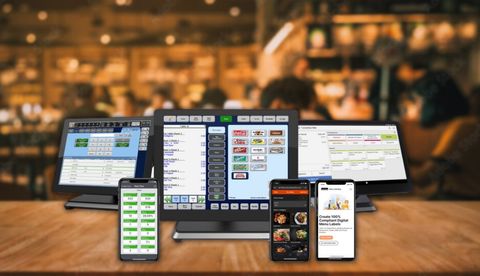
Restaurant Management Software Guide: Operations, Staff Scheduling, and Business Planning
Updated: September 23, 2026
Read More
Construction Management Software Guide: Project Scheduling, Budgets, and Field Operations
Updated: September 23, 2026
Read More