Joint Pain Treatment Guide: Medical Approaches, Physical Therapy, Medication Options, and Care Planning
Joint pain can affect the knees, hips, shoulders, hands, wrists, ankles, feet, and other parts of the body. It can result from arthritis, injuries, inflammation, overuse, infections, or other medical conditions.
Treatment depends on the underlying cause, affected joint, duration of symptoms, severity, age, medical history, and other individual factors. Some joint pain improves with conservative care, while persistent or severe symptoms may require medical evaluation or specialist treatment.
A useful joint-pain management plan therefore begins with understanding why the joint hurts, rather than treating pain as a single condition.
Common Causes of Joint Pain
Joint pain can have many causes, including:
Osteoarthritis
Rheumatoid arthritis
Gout
Psoriatic arthritis
Bursitis
Tendon or ligament injuries
Sprains and strains
Joint overuse
Inflammatory conditions
Previous joint injuries
Certain infections
Other systemic or autoimmune conditions
The pattern of pain can provide useful information. For example, pain following an injury may require a different evaluation from gradually developing joint stiffness affecting several joints.
Types of Joint Pain
Joint pain can be described in several ways.
Acute joint pain
Pain that develops suddenly may follow an injury, overuse, inflammation, or another acute condition.
Chronic joint pain
Pain lasting for an extended period may be associated with osteoarthritis, inflammatory arthritis, previous injury, or other long-term conditions.
Inflammatory joint pain
Inflammatory conditions may produce pain accompanied by swelling, warmth, stiffness, or other systemic symptoms.
Mechanical joint pain
Pain that changes with movement or activity can occur with osteoarthritis, injuries, and other structural conditions.
How Joint Pain Is Evaluated
A healthcare professional may evaluate:
Location of the pain
Duration and progression
Joint swelling
Warmth or redness
Range of motion
Muscle strength
Previous injuries
Activity patterns
Morning stiffness
Other medical conditions
Current medications
Depending on the situation, evaluation may also include blood tests or imaging such as X-rays, ultrasound, or MRI.
Testing should be guided by the clinical question rather than performed automatically for every episode of joint pain.
Physical Therapy for Joint Pain
Physical therapy can help improve strength, mobility, balance, and function for many types of joint problems.
A physical therapist may develop exercises targeting:
Joint mobility
Muscle strength
Flexibility
Balance
Coordination
Functional movement
Joint stability
Gradual return to activities
The program should be adapted to the affected joint and underlying diagnosis.
For example, rehabilitation following a knee injury may differ substantially from exercise for chronic hip osteoarthritis or inflammatory arthritis.
Exercise and Joint Health
Appropriate physical activity can support joint function and overall health.
Depending on the condition, activities may include:
Walking
Swimming
Water exercise
Cycling
Strength training
Flexibility exercises
Balance exercises
Low-impact aerobic activity
Exercise intensity should be adjusted to the individual's symptoms and physical abilities.
A sudden increase in activity can sometimes aggravate symptoms, so gradual progression may be more appropriate.
Weight Management
For people with overweight or obesity, weight management may help reduce mechanical stress on weight-bearing joints such as the knees and hips.
Even modest weight reduction may improve symptoms for some people with knee osteoarthritis.
Weight management should be approached as part of a broader health plan and should not be considered a substitute for appropriate medical evaluation or treatment.
Medication Options
Medication selection depends on the cause of joint pain and the individual's medical history.
Potential options may include:
Topical NSAIDs
Oral NSAIDs
Acetaminophen in selected circumstances
Prescription anti-inflammatory medicines
Disease-specific medicines for inflammatory arthritis
Other prescription medicines when clinically appropriate
NSAIDs can have gastrointestinal, kidney, cardiovascular, and medication-interaction risks. A healthcare professional or pharmacist can help determine whether they are appropriate.
Medication should not be started, stopped, or combined without considering other medicines, allergies, medical conditions, and potential risks.
Topical Pain Medicines
Topical NSAIDs may be considered for certain localized joint conditions.
They can be particularly useful when pain is concentrated in a superficial joint such as the knee or hand.
Because topical and oral medications have different absorption and risk profiles, the appropriate option depends on the individual and the specific product.
Injections and Procedures
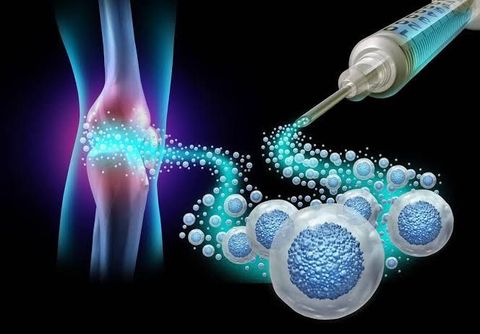
Some joint conditions may be treated with injections or other procedures.
Depending on the diagnosis, clinicians may consider:
Corticosteroid injections
Other targeted injections in selected situations
Joint aspiration when clinically indicated
Image-guided procedures
Other interventional approaches
The benefits and risks depend on the affected joint, underlying condition, procedure, and individual health factors.
Joint Replacement
Severe joint damage can sometimes lead to consideration of joint-replacement surgery.
Hip and knee replacement are examples of procedures that may be considered when:
Pain remains significant
Daily activities are substantially limited
Joint damage is advanced
Conservative treatment has not provided adequate relief
A qualified orthopedic professional determines that surgery may be appropriate
Surgery decisions should consider the diagnosis, imaging, symptoms, functional limitations, general health, and expected benefits and risks.
Managing Different Joint Conditions
Osteoarthritis
Osteoarthritis commonly affects the knees, hips, hands, and other joints.
Management can include physical activity, strengthening, weight management when appropriate, joint-protection strategies, topical or oral medications, and selected procedures.
Rheumatoid Arthritis
Rheumatoid arthritis is an inflammatory autoimmune condition. Treatment generally focuses on controlling the underlying inflammation and preventing or limiting joint damage.
Disease-modifying medicines may be used under appropriate medical supervision.
Gout
Gout occurs when urate crystals accumulate in joints and can cause sudden episodes of severe pain and swelling.
Treatment may involve management of acute attacks as well as longer-term strategies to reduce the likelihood of future episodes.
Joint Injuries
Sprains, strains, ligament injuries, tendon problems, and other injuries may require rest or activity modification followed by progressive rehabilitation.
The appropriate approach depends on the injury and its severity.
Joint Protection Strategies
People with recurring joint pain may benefit from strategies that reduce unnecessary strain.
These can include:
Using appropriate assistive devices when recommended
Modifying repetitive activities
Improving movement techniques
Taking breaks during demanding activities
Using ergonomic equipment when appropriate
Gradually increasing physical activity
Following a rehabilitation program
Occupational therapists can sometimes help people modify everyday activities to reduce joint stress.
When to See a Specialist
Specialist evaluation may be appropriate when:
Pain persists despite conservative treatment
Multiple joints are affected
Significant swelling continues
Joint function is declining
Symptoms suggest inflammatory arthritis
There is significant structural damage
A surgical opinion is being considered
Depending on the suspected cause, specialists may include rheumatologists, orthopedic professionals, sports-medicine clinicians, physiatrists, or other appropriate healthcare professionals.
When Joint Pain Requires Prompt Attention
Some symptoms should receive prompt medical evaluation.
These can include:
A suddenly swollen and very painful joint
Significant redness or warmth
Fever accompanying joint pain
Inability to bear weight after an injury
A visibly deformed joint
Rapidly worsening symptoms
New unexplained weakness or neurological symptoms
A hot, swollen joint accompanied by fever can sometimes indicate an infection and may require urgent evaluation.
Joint Pain Recovery Planning
A structured recovery plan can include:
| Area | Planning Consideration |
|---|---|
| Diagnosis | What is causing the joint pain? |
| Symptoms | Which movements or activities are affected? |
| Therapy | Would physical or occupational therapy help? |
| Activity | What exercise is appropriate? |
| Medication | Which options are appropriate given other health factors? |
| Lifestyle | Are weight, sleep, or activity factors relevant? |
| Monitoring | Are pain, swelling, strength, or mobility changing? |
| Follow-up | When should treatment be reassessed? |
| Escalation | What symptoms require prompt evaluation? |
The plan can be adjusted as symptoms, function, and treatment response change.
Recent Developments in Joint Pain Care
Modern joint-pain management increasingly emphasizes individualized, multimodal care rather than relying on a single intervention.
Physical activity, rehabilitation, self-management education, appropriate medication, weight management when relevant, and targeted medical treatment can be combined according to the underlying condition.
There is also greater emphasis on avoiding unnecessary imaging and interventions when clinical evaluation does not indicate a need for them, while identifying patients who may benefit from earlier specialist assessment.
Joint Pain Management Checklist
Patients discussing joint pain with a healthcare professional may consider:
Record when symptoms began
Identify the affected joint or joints
Note swelling, warmth, or redness
Record morning stiffness
Identify activities that worsen symptoms
Review current medications
Discuss appropriate exercise
Ask whether physical therapy is appropriate
Determine whether imaging is necessary
Review possible medication risks
Discuss weight management when appropriate
Establish recovery goals
Understand warning signs
Arrange follow-up when symptoms persist or change
Tools and Resources
Useful resources for learning about joint pain include:
CDC Arthritis: General information about arthritis, physical activity, and self-management.
NIAMS: Educational information about arthritis and musculoskeletal conditions.
MedlinePlus: General health information about joint pain and related conditions.
Physical therapists: Individualized rehabilitation and movement guidance.
Occupational therapists: Support for adapting everyday activities and joint protection.
Rheumatologists: Evaluation and treatment of inflammatory and autoimmune joint conditions.
Orthopedic specialists: Evaluation of structural joint problems and surgical options.
Frequently Asked Questions
1. What is the best treatment for joint pain?
There is no single treatment that works for every cause of joint pain. Treatment depends on the diagnosis, affected joint, severity, duration, medical history, and individual circumstances.
2. Can physical therapy help joint pain?
Yes. Physical therapy can improve strength, mobility, flexibility, balance, and function for many joint conditions. The program should be tailored to the underlying cause.
3. What medications are commonly used for joint pain?
Depending on the condition, options can include topical or oral NSAIDs, acetaminophen in selected circumstances, prescription anti-inflammatory medicines, and disease-specific medicines for inflammatory arthritis.
4. When should joint pain be evaluated by a doctor?
Persistent, worsening, or function-limiting joint pain should be evaluated. Prompt assessment is particularly important when a joint becomes suddenly very swollen, red, warm, or severely painful, especially when fever is also present.
5. Can joint pain be managed without medication?
Often, yes. Depending on the cause, physical activity, physical therapy, weight management when appropriate, activity modification, joint protection, and self-management strategies can play important roles.
Conclusion
Joint pain can result from many different conditions, so effective management begins with identifying the underlying cause.
Physical therapy, appropriate activity, lifestyle strategies, medication when indicated, specialist care, injections, and surgery may each have a role depending on the diagnosis and severity.
A structured care plan can help connect symptom monitoring, rehabilitation, medical treatment, and recovery goals.
Persistent, severe, or changing joint symptoms should be evaluated by an appropriately qualified healthcare professional rather than managed solely through general information.

Related Post...


Chronic Back Pain Treatment Guide: Therapy Options, Pain Relief Approaches, and Care Planning
Updated: October 07, 2026
Read More