Chronic Pain Therapy Guide: Physical Rehabilitation, Treatment Options, Specialist Care, and Recovery Insights
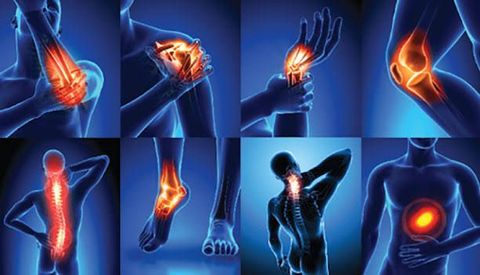
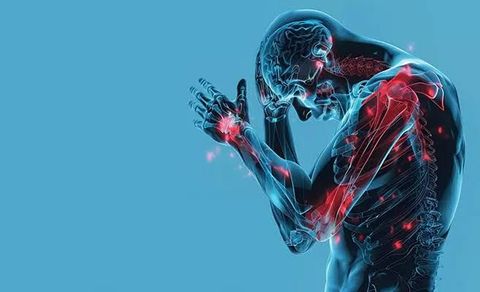
Chronic pain is pain that persists or recurs over an extended period and can affect physical function, sleep, mood, work, and everyday activities. It can arise from injuries, musculoskeletal conditions, nerve-related disorders, arthritis, headaches, surgery, or other health conditions.
Chronic pain is not necessarily a sign of ongoing tissue damage. Its causes and contributing factors can be complex, which is why treatment often involves more than medication alone.
A chronic pain treatment plan may combine physical rehabilitation, education, psychological approaches, medications, lifestyle strategies, and specialist care according to the individual's condition and goals.
Understanding Chronic Pain
Chronic pain can be broadly associated with several mechanisms.
Nociceptive pain
This type of pain is associated with tissue irritation or injury and can occur with conditions affecting muscles, joints, bones, or other tissues.
Neuropathic pain
Neuropathic pain results from injury or dysfunction involving nerves or the nervous system. Symptoms can include burning, shooting pain, tingling, or altered sensation.
Nociplastic pain
Some chronic pain involves altered pain processing without a clear ongoing tissue injury or identifiable nerve lesion. Multiple factors can contribute to how pain is experienced and maintained.
A person can also experience more than one type of pain at the same time.
How Chronic Pain Is Evaluated
Evaluation generally begins with a medical history and physical examination.
A healthcare professional may assess:
Location and distribution of pain
Duration and progression
Pain characteristics
Physical limitations
Muscle strength
Sensation and reflexes
Sleep quality
Current medications
Previous injuries or procedures
Other medical conditions
Effects on work and daily activities
Depending on the symptoms, additional testing or imaging may be appropriate.
Testing should be guided by the clinical situation rather than performed automatically for every chronic-pain condition.
Physical Rehabilitation
Physical rehabilitation is often an important component of chronic pain management.
A rehabilitation program may include:
Strengthening exercises
Mobility exercises
Flexibility training
Balance exercises
Aerobic activity
Functional movement training
Activity pacing
Education about movement
Gradual return to normal activities
Physical therapists can help develop programs that account for pain, physical limitations, conditioning, and functional goals.
The objective is generally to improve physical function while gradually increasing tolerance for appropriate activity.
Activity and Exercise
Regular physical activity can be beneficial for many people with chronic pain.
Depending on the condition, activities may include:
Walking
Swimming
Cycling
Water exercise
Strength training
Stretching
Low-impact aerobic activity
Balance or movement exercises
Exercise should be individualized. Starting at an appropriate level and progressing gradually can help reduce the risk of excessive symptom flare-ups.
Activity Pacing
Activity pacing can help people manage periods of increased symptoms.
Instead of repeatedly alternating between excessive activity and prolonged rest, pacing aims to establish manageable activity levels and increase them gradually.
Strategies may include:
Breaking demanding tasks into smaller activities
Taking planned breaks
Alternating activities
Gradually increasing activity duration
Avoiding sudden increases in workload
Tracking activity and symptom patterns
A physical therapist or other qualified professional can help establish an appropriate pacing strategy.
Psychological and Behavioral Approaches
Chronic pain can affect mood, sleep, stress, concentration, and social participation. These factors can also influence how pain is experienced.
Psychological approaches may include:
Cognitive behavioral therapy
Acceptance and commitment approaches
Relaxation techniques
Stress-management strategies
Pain-coping education
Sleep-focused interventions
These approaches do not imply that pain is imaginary or purely psychological. They are intended to address the interaction between pain, behavior, emotions, sleep, and daily function.
Medication Options
Medication may be part of chronic pain management depending on the diagnosis.
Potential options can include:
Nonsteroidal anti-inflammatory drugs
Acetaminophen in selected circumstances
Certain antidepressant medications used for pain
Certain anticonvulsant medications used for specific nerve-related pain
Topical medications
Other prescription treatments when clinically appropriate
Medication choice depends on the type of pain, other medical conditions, current medications, potential interactions, and individual risks.
Long-term medication use should be periodically reviewed with a healthcare professional.
Opioid Medications
Opioid medications may be appropriate in selected clinical circumstances, but they carry significant risks, including tolerance, dependence, misuse, overdose, and other adverse effects.
For many chronic pain conditions, clinicians may consider non-opioid approaches before or alongside opioid therapy.
People taking opioid medications should follow the prescribing professional's instructions and should not change the dose or stop treatment abruptly without appropriate medical guidance.
Multidisciplinary Pain Management
Chronic pain can involve several interacting physical and functional factors.
A multidisciplinary program may include professionals such as:
Primary-care clinicians
Pain-management specialists
Physical therapists
Occupational therapists
Psychologists
Pharmacists
Rehabilitation specialists
Neurologists
Rheumatologists
Orthopedic specialists
The exact team depends on the underlying condition and treatment goals.
Pain Management Specialists
A pain-management specialist may evaluate persistent or complicated pain and help coordinate treatment.
Specialist care may be appropriate when:
Pain persists despite initial treatment
The diagnosis remains uncertain
Medication management is complicated
Neurological symptoms are present
Function remains significantly limited
Interventional treatment is being considered
Specialist evaluation does not necessarily mean that an invasive procedure will be recommended.
Physical Therapy and Functional Recovery
Rehabilitation should focus not only on pain intensity but also on function.
Functional goals may include:
Walking farther
Returning to work activities
Improving strength
Sleeping more comfortably
Completing household activities
Increasing physical activity
Returning to hobbies
Improving confidence with movement
Tracking functional progress can provide useful information even when pain does not disappear completely.
Sleep and Chronic Pain
Persistent pain can interfere with sleep, while poor sleep may make pain harder to manage.
A treatment plan may therefore address:
Consistent sleep routines
Appropriate physical activity
Stress management
Sleep-environment factors
Treatment of underlying sleep disorders when present
Persistent sleep problems should be discussed with a qualified healthcare professional.
Lifestyle and Self-Management
Self-management strategies may complement formal treatment.
Depending on the condition, these can include:
Regular physical activity
Healthy nutrition
Appropriate weight management
Stress management
Sleep support
Activity pacing
Maintaining social connections
Following an individualized rehabilitation plan
Self-management should complement—not replace—appropriate medical evaluation.
Interventional Treatments
Some chronic pain conditions may be treated with targeted procedures.
Depending on the diagnosis, options may include:
Joint injections
Epidural injections
Nerve-related procedures
Radiofrequency procedures
Other image-guided interventions
These treatments are not appropriate for every chronic pain condition. Potential benefits, risks, and alternatives should be reviewed with an appropriately qualified professional.
Surgery and Chronic Pain
Surgery is generally considered when a specific structural condition has a treatment pathway in which surgery may provide meaningful benefit.
Chronic pain alone does not automatically mean surgery is appropriate.
A surgical evaluation may consider:
Underlying structural diagnosis
Imaging findings
Neurological symptoms
Functional limitations
Previous treatment
Expected benefits and risks
Alternative approaches
Chronic Pain Recovery Planning
Recovery planning can focus on realistic functional goals rather than assuming that complete elimination of pain is the only meaningful outcome.
A plan may include:
| Area | Planning Consideration |
|---|---|
| Diagnosis | What is contributing to the pain? |
| Function | Which activities are currently limited? |
| Rehabilitation | What physical therapy or exercise is appropriate? |
| Medication | Which treatments are appropriate given health factors? |
| Sleep | Is pain affecting sleep or vice versa? |
| Activity | What level of movement is currently tolerable? |
| Mental health | Are stress, anxiety, or mood affecting function? |
| Monitoring | How are pain and function changing? |
| Follow-up | When should treatment be reassessed? |
| Goals | What activities should recovery prioritize? |
Treatment plans can be modified as symptoms, function, and treatment response change.
When to Seek Prompt Medical Attention
Chronic pain should not automatically be attributed to an existing diagnosis when new symptoms develop.
Prompt evaluation may be appropriate for:
New or rapidly worsening weakness
New significant numbness
Loss of bladder or bowel control
Severe pain after major trauma
Fever with severe pain
Unexplained weight loss with persistent pain
New neurological symptoms
Significant changes in previously stable symptoms
Emergency assessment may be necessary when symptoms suggest a serious neurological condition, infection, major injury, or another acute medical problem.
Recent Developments in Chronic Pain Therapy
Modern chronic-pain care increasingly emphasizes multimodal treatment rather than relying exclusively on medication.
Physical rehabilitation, behavioral approaches, self-management education, sleep support, and appropriate medical treatment may be combined according to the underlying pain condition.
There is also increasing emphasis on function-based goals, shared decision-making, appropriate medication monitoring, and individualized treatment planning.
Chronic Pain Therapy Checklist
Patients discussing chronic pain with a healthcare professional may consider:
Document when pain began
Describe pain location and characteristics
Record factors that worsen or improve symptoms
Identify functional limitations
Review current medications
Discuss physical rehabilitation
Consider sleep and stress factors
Establish realistic functional goals
Review medication risks and benefits
Determine whether specialist evaluation is appropriate
Identify warning signs requiring prompt attention
Schedule appropriate follow-up
Tools and Resources
Useful resources for learning about chronic pain include:
NIAMS: Information about musculoskeletal and rheumatic conditions.
NINDS: Educational resources concerning neurological conditions.
MedlinePlus: General health information about chronic pain and related conditions.
Physical therapists: Individualized rehabilitation and movement guidance.
Pain-management specialists: Evaluation and management of persistent or complex pain.
Mental-health professionals: Support for behavioral and psychological approaches to chronic pain.
Occupational therapists: Guidance for adapting activities and improving function.
Frequently Asked Questions
1. What is the best treatment for chronic pain?
There is no single treatment that works for every person. Effective management depends on the underlying cause and may combine physical rehabilitation, medications, behavioral approaches, lifestyle strategies, and specialist care.
2. Can physical therapy help chronic pain?
Physical therapy can help many people improve strength, mobility, physical function, and confidence with movement. Treatment should be tailored to the underlying condition and individual limitations.
3. Does chronic pain always require medication?
No. Depending on the condition, physical rehabilitation, activity management, behavioral approaches, sleep support, and other non-medication strategies may be important components of treatment.
4. When should someone see a pain specialist?
Specialist evaluation may be appropriate when pain persists despite initial treatment, significantly limits function, has a complicated cause, or requires specialized medication or interventional evaluation.
5. Can chronic pain improve over time?
Many people can improve their function and quality of life with an individualized treatment plan. Recovery varies according to the underlying condition, duration of symptoms, health factors, and response to treatment.
Conclusion
Chronic pain can involve complex interactions between physical conditions, nervous-system processes, movement, sleep, stress, and daily activities.
A comprehensive approach may combine physical rehabilitation, appropriate medications, behavioral strategies, lifestyle measures, specialist care, and carefully selected procedures.
The most appropriate plan depends on the underlying diagnosis and individual circumstances. Persistent, worsening, or changing symptoms should be evaluated by an appropriately qualified healthcare professional.

Related Post...
Neuropathy Treatment Guide: Nerve Pain Management, Therapy Options, Medications, and Care Planning
Updated: October 07, 2026
Read More