Asbestos Inspection Guide: Building Surveys, Risk Assessment, and Abatement Planning
Asbestos was widely used in construction materials because of its heat resistance, durability, and insulating properties. Older commercial, institutional, industrial, and residential buildings may contain asbestos-containing materials (ACM) in areas such as flooring, insulation, roofing, ceiling systems, pipe coverings, cement products, and other building components.
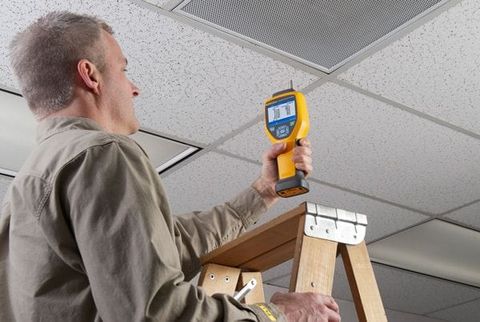
An asbestos inspection is a structured investigation intended to identify suspect materials, determine whether they contain asbestos through appropriate evaluation, document their locations and condition, and support decisions about renovation, demolition, operations, maintenance, or abatement.
The inspection process becomes particularly important before construction activities that could disturb building materials. EPA's Asbestos NESHAP requires a thorough inspection for applicable renovation and demolition projects before work begins.
Why Asbestos Building Surveys Matter
Asbestos-containing materials do not necessarily create the same exposure concern when they remain intact and undisturbed. The potential for fiber release can increase when materials are damaged, deteriorating, cut, drilled, sanded, demolished, or otherwise disturbed.
A building survey can help identify:
Suspect asbestos-containing materials
Locations of identified or presumed ACM
Material condition
Areas requiring additional investigation
Materials that could be disturbed by planned construction
Sampling requirements
Documentation gaps
Appropriate management or response options
EPA explains that commercial and similar building owners may use an operations and maintenance program to manage asbestos-containing materials that remain in place and are not otherwise subject to removal or specialized control measures.
Common Building Materials That May Require Evaluation
The presence of asbestos cannot reliably be determined simply from appearance. Materials in older buildings may require professional inspection and, when appropriate, laboratory analysis.
Potential suspect materials can include:
Thermal pipe insulation
Boiler and mechanical insulation
Floor tiles
Vinyl sheet flooring
Flooring adhesives
Ceiling tiles
Spray-applied fireproofing
Acoustic materials
Roofing materials
Cement panels
Cement pipes
Transite-type products
Joint compounds
Plaster
Textured coatings
Insulation around ducts
Gaskets and packing
Electrical components
Fire-resistant materials
The specific materials that require evaluation depend on the building's construction history, renovation history, materials used, and planned work.
What an Asbestos Building Survey Includes
A professional survey generally begins with a review of available building information.
The inspection may consider:
Construction date
Renovation history
Building plans
Previous asbestos reports
Material specifications
Known locations of suspect materials
Current building use
Planned renovation or demolition
Accessibility of concealed areas
Material condition
The inspector then conducts a visual assessment and identifies materials that may require sampling.
For projects regulated by the Asbestos NESHAP, EPA requires a thorough inspection of the area where demolition or renovation will occur.
Asbestos Sampling and Laboratory Analysis
Visual inspection alone generally cannot confirm whether a suspect material contains asbestos.
When sampling is appropriate, qualified personnel may collect representative samples while following applicable safety and regulatory procedures. Samples are then analyzed by an appropriately qualified laboratory using the applicable analytical method.
Documentation should identify:
Sample location
Material description
Sample identification number
Collection date
Laboratory information
Analytical method
Result
Associated building area
The chain of custody and laboratory documentation can become important parts of the building's asbestos records.
Sampling should not be performed casually by untrained occupants or maintenance personnel because disturbing suspect material can potentially release fibers.
Assessing the Condition of Asbestos-Containing Materials
Finding ACM does not automatically mean that the material must be removed.
The condition of the material is an important consideration.
An assessment may consider whether material is:
Intact
Damaged
Deteriorating
Water-damaged
Delaminated
Crumbling
Exposed to routine disturbance
Located near maintenance activities
Likely to be disturbed by planned construction
EPA's school-building guidance emphasizes managing asbestos in place when appropriate and notes that removal is not normally necessary unless material is significantly damaged or will be disturbed during renovation or demolition.
Asbestos Risk Assessment
Risk assessment considers more than whether asbestos is present.
Important factors may include:
Material condition
Damaged or deteriorating materials may require more immediate attention.
Friability
Friable materials can be crumbled or reduced to powder by hand pressure when dry, making fiber release a particular concern if the material is disturbed.
Location
Materials in mechanical rooms, ceilings, utility spaces, or other areas subject to maintenance activity may have a greater potential for disturbance.
Occupancy
Schools, healthcare facilities, offices, industrial buildings, and other occupied properties can have different exposure-management considerations.
Planned work
Renovation, demolition, electrical upgrades, plumbing work, HVAC modifications, and other construction activities can disturb materials that would otherwise remain intact.
Asbestos Abatement Planning
When asbestos-containing materials need to be removed or controlled, an abatement plan should be developed by appropriately qualified professionals.
Depending on the project, planning can address:
ACM locations
Material quantities
Work boundaries
Regulated areas
Containment
Engineering controls
Worker protection
Respiratory protection
Decontamination
Waste handling
Transportation
Disposal
Air monitoring
Clearance procedures
Documentation
Reoccupancy considerations
OSHA's asbestos construction standard requires regulated areas for applicable asbestos work and establishes specific controls and responsibilities for different classes of asbestos work.
EPA also explains that its NESHAP requirements establish work practices intended to minimize asbestos-fiber release during applicable renovation, demolition, waste packaging, transportation, and disposal activities.
OSHA Requirements for Asbestos Work
OSHA's construction asbestos standard, 29 CFR 1926.1101, establishes requirements for construction activities involving asbestos.
Among other requirements, the standard addresses:
Regulated areas
Competent-person responsibilities
Employee exposure assessment
Engineering controls
Work practices
Personal protective equipment
Respiratory protection
Decontamination
Training
Medical surveillance
Recordkeeping
OSHA requires a competent person for worksites covered by the standard, with additional responsibilities for Class I and Class II work.
The applicable OSHA requirements can differ depending on the type of work and workplace, so project-specific compliance should be evaluated by qualified professionals.
EPA Asbestos NESHAP
The EPA Asbestos National Emission Standards for Hazardous Air Pollutants (NESHAP) apply to specified asbestos-related renovation and demolition activities.
For applicable projects, requirements can include:
Thorough inspection
Notification to the appropriate regulatory authority
Specific work practices
Control of asbestos emissions
Proper handling of regulated asbestos-containing waste
Recordkeeping and compliance documentation
EPA explains that commercial, institutional, and industrial building renovation and demolition activities are within the scope of the Asbestos NESHAP, subject to the regulation's specific applicability requirements and thresholds.
State and local requirements may be more stringent than federal requirements, so project teams should verify the applicable rules before work begins.
Asbestos Management in Occupied Buildings
Removal is not always the only management approach.
For ACM that can remain safely in place, an operations and maintenance program can establish procedures for:
Periodic surveillance
Maintenance activities
Worker awareness
Material labeling
Work planning
Recordkeeping
Preventing unnecessary disturbance
Managing changes to building systems
EPA describes O&M programs as plans involving training, cleaning, work practices, and surveillance intended to maintain asbestos-containing materials in appropriate condition and minimize potential exposure.
This approach can be particularly relevant to commercial buildings that contain known ACM but do not currently require removal.
Documentation and Asbestos Records
A detailed asbestos record can help facility managers make informed decisions when maintenance or renovation is planned.
Useful documentation can include:
| Record | Examples |
|---|---|
| Building information | Construction date, renovations, plans |
| Inspection report | Survey scope, locations, observations |
| Sampling records | Sample IDs, locations, dates |
| Laboratory results | Analytical findings |
| Material inventory | ACM type, location, condition |
| Photographs | Material condition and locations |
| Management plan | O&M procedures and response actions |
| Abatement records | Work scope, controls, completion |
| Air monitoring | Sampling results where applicable |
| Waste records | Packaging, transportation, disposal |
| Reinspection records | Condition changes over time |
Maintaining accurate records is particularly important when different contractors or facility teams may work on the property over time.
Asbestos in Schools
Schools have additional federal requirements under the Asbestos Hazard Emergency Response Act (AHERA).
EPA states that public and nonprofit private schools generally must inspect for asbestos-containing building materials, maintain asbestos management plans, conduct required surveillance and reinspections, and use appropriately trained and accredited professionals for covered asbestos activities.
EPA's current guidance states that schools not certified asbestos-free generally require reinspection every three years, with additional periodic surveillance requirements.
EPA also updated guidance in March 2026 confirming that an accredited management planner must review the results of each school asbestos inspection, reinspection, and assessment.
Recent U.S. Considerations
EPA continues to emphasize management of asbestos-containing materials through inspection, appropriate response actions, operations and maintenance programs, and regulatory controls for renovation and demolition.
In 2026, EPA guidance continues to distinguish between managing intact ACM in place and activities that may disturb or remove the material. For schools, AHERA remains a central framework for inspection, management planning, surveillance, and professional accreditation.
For renovation and demolition projects, the Asbestos NESHAP continues to require applicable inspections and work practices intended to prevent asbestos-fiber release.
Laws, Standards, and Compliance Considerations
OSHA asbestos standards
OSHA's asbestos standards establish worker-protection requirements for construction and other covered workplaces. The applicable standard depends on the work activity and industry.
EPA Asbestos NESHAP
The NESHAP addresses asbestos emissions associated with specified renovation and demolition activities and establishes inspection, notification, work-practice, and waste-management requirements.
AHERA
AHERA establishes specific asbestos-management requirements for public and nonprofit private schools, including inspection and management plans.
State and local requirements
States and local authorities may impose additional requirements involving inspector accreditation, contractor licensing, notifications, air monitoring, waste transportation, disposal, and project procedures.
Property owners should therefore verify requirements with the applicable state or local asbestos, environmental, occupational-safety, or air-quality authority before beginning regulated work.
Tools and Resources
Useful U.S. resources include:
EPA Asbestos resources — information for building owners, managers, schools, renovation projects, and asbestos management.
EPA Asbestos NESHAP — federal requirements concerning asbestos emissions during applicable renovation and demolition activities.
OSHA 29 CFR 1926.1101 — construction asbestos requirements, regulated areas, work practices, training, and competent-person responsibilities.
EPA AHERA resources — school inspection and asbestos management-plan information.
Qualified asbestos inspectors and management planners — appropriate for building surveys, sampling strategies, risk assessment, and project planning.
FAQs
1. What is an asbestos inspection?
An asbestos inspection is a professional evaluation of a building to identify suspect asbestos-containing materials, document their locations and condition, and determine whether sampling or additional assessment is appropriate.
2. Does an old building automatically contain asbestos?
No. Building age can indicate that asbestos-containing materials may be present, but age alone cannot establish whether a specific material contains asbestos. Appropriate inspection and, when necessary, laboratory analysis are used to evaluate suspect materials.
3. Does asbestos always have to be removed?
No. Depending on its condition, location, and potential for disturbance, asbestos-containing material may sometimes be managed in place. Removal may become necessary when material is damaged or when planned renovation or demolition will disturb it.
4. Can building maintenance workers disturb suspected asbestos materials?
Suspect materials should not be disturbed casually. Maintenance, renovation, and construction activities can release asbestos fibers when ACM is damaged or manipulated. Appropriate assessment, work planning, training, and controls should be established before potentially disturbing suspect materials.
5. What is the difference between an asbestos inspection and abatement?
An inspection identifies and evaluates suspect or confirmed asbestos-containing materials. Abatement involves planned actions to remove, encapsulate, enclose, repair, or otherwise control ACM according to applicable requirements and project conditions.
Conclusion
An asbestos inspection provides a foundation for informed building management, renovation planning, and worker protection. A thorough survey can identify suspect materials, document their locations and condition, and establish whether additional sampling or professional evaluation is necessary.
For properties containing ACM, the appropriate response depends on material condition, location, occupancy, planned work, regulatory requirements, and the potential for disturbance. Some materials may be managed in place, while others may require specialized abatement.
Good records are essential. Inspection reports, laboratory results, building plans, material inventories, management plans, and abatement documentation can help facility teams avoid accidental disturbance and coordinate future construction activities.

Related Post...
Probate Administration Guide: Estate Settlement, Court Procedures, and Asset Planning
Updated: September 14, 2026
Read More
1031 Exchange Guide: Investment Property Transfers, Tax Rules, and Planning
Updated: September 14, 2026
Read More
Utility Grid Modernization Guide: Smart Grid Systems, Infrastructure, and Energy Planning
Updated: September 15, 2026
Read More