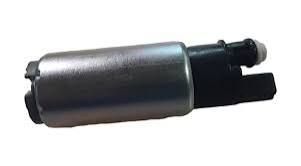
Toyota OEM Fuel System Guide: Genuine Components, Fuel Technology, and Vehicle Maintenance
Toyota OEM Fuel System, Toyota Fuel System Parts, Toyota Genuine Fuel Parts, Toyota OEM Parts, Toyota Fuel Pump, Toyota Fuel Injectors, Toyota Fuel Filter, Toyota Fuel Tank, Toyota Fuel Lines, Toyota Fuel System Components, Toyota Fuel Delivery System, Toyota Fuel Technology, Toyota Engine Fuel System, Toyota Fuel System Maintenance, Toyota Genuine Components, Toyota Fuel System Repair, Toyota Fuel Injector Maintenance, Toyota Fuel Pump Diagnostics, Toyota Vehicle Maintenance, Toyota Engine Components.
Toyota OEM Fuel System Guide: Genuine Components, Fuel Technology, and Vehicle Maintenance
The fuel system supplies fuel to the engine in vehicles that use internal-combustion powertrains. It includes components responsible for storing, filtering, delivering, and controlling fuel according to the vehicle's design.
Toyota vehicles use different fuel-system configurations depending on the model, model year, engine, drivetrain, fuel type, and market. Understanding these systems can help vehicle owners interpret maintenance information and identify relevant components.
Understanding Toyota OEM Fuel Systems
A Toyota fuel system may include:
Fuel tank
Fuel pump
Fuel injectors
Fuel filter or filtration components
Fuel lines
Fuel pressure components
Fuel rail
Fuel-level sensor
Fuel vapor-management components
Engine control systems
The exact configuration varies between Toyota vehicles and powertrain technologies.
Fuel System Component Overview
| Component | General Function |
| Fuel Tank | Stores fuel |
| Fuel Pump | Moves fuel through the delivery system |
| Fuel Injector | Delivers controlled amounts of fuel to the engine |
| Fuel Filter | Helps remove contaminants from fuel where applicable |
| Fuel Rail | Distributes fuel to injectors in applicable systems |
| Fuel Lines | Transport fuel between system components |
| Fuel-Level Sensor | Measures fuel level for vehicle information systems |
| Vapor-Management Components | Help manage fuel vapors within applicable emissions systems |
Individual components work together to support appropriate fuel delivery and engine operation.
Why Fuel System Components Matter
A properly functioning fuel system supports:
Consistent fuel delivery
Engine operation
Appropriate fuel pressure
Efficient combustion
Emissions management
Reliable vehicle performance
Fuel-system performance can be influenced by component condition, fuel quality, operating environment, electrical systems, and maintenance history.
Genuine OEM Components
OEM fuel-system components are designed for specific vehicle applications and technical specifications. Correct identification is important because fuel-system parts can vary according to engine, model year, fuel system design, and production configuration.
Useful identification information may include:
Toyota model
Model year
Engine
Trim level
Fuel type
Drivetrain
Production specifications
Vehicle identification number (VIN)
Applicable part number
Vehicle-specific documentation should be checked before selecting a component.
Common Fuel System Warning Signs
Potential indicators of a fuel-system concern may include:
Difficulty starting
Engine hesitation
Reduced acceleration response
Rough engine operation
Unusual fuel-system noises
Engine warning indicators
Stalling
Changes in fuel consumption
Fuel odor
Visible fuel leakage
These symptoms can have several possible causes, so appropriate diagnosis is important before replacing a component.
Fuel Pump and Fuel Delivery
The fuel pump helps move fuel from the tank toward the engine's fuel-delivery components.
Depending on the vehicle, the system may use:
Electric fuel pumps
Fuel-pressure regulation
Fuel rails
Electronic fuel injectors
Engine-management controls
Fuel-delivery specifications vary by engine and vehicle configuration.
Fuel Injectors
Fuel injectors control the delivery of fuel into the engine's intake or combustion system, depending on the engine design.
Their operation may involve:
Electronic control signals
Fuel pressure
Injection timing
Fuel quantity
Engine operating conditions
Injector-related symptoms can overlap with ignition, air-intake, or engine-management issues, so diagnosis should consider the complete system.
Fuel Filters and Contamination
Fuel filtration helps protect fuel-system components from contaminants where a dedicated filter is used.
Maintenance considerations may include:
Filter condition
Fuel contamination
Fuel-system cleanliness
Applicable replacement intervals
Fuel quality
Maintenance requirements differ between Toyota models and fuel-system designs.
Fuel Vapor and Emissions Systems
Modern vehicles incorporate systems designed to manage fuel vapors and emissions.
Depending on the vehicle, these may include:
Fuel vapor lines
Evaporative-emissions components
Vapor canisters
Purge-control components
Fuel-tank pressure monitoring
These systems interact with the engine-control system and emissions controls.
Fuel Technology in Modern Toyota Vehicles
Modern Toyota vehicles may use different powertrain technologies, including conventional gasoline systems and electrified powertrains.
Depending on the vehicle, technology may include:
Electronic fuel injection
Direct injection
Hybrid powertrain controls
Engine-management sensors
Advanced emissions monitoring
Electronic throttle systems
The fuel-system architecture depends on the specific Toyota powertrain.
Fuel System Diagnostics
A general fuel-system evaluation may include:
Reviewing warning indicators.
Checking for visible fuel leakage.
Inspecting applicable fuel-system connections.
Evaluating fuel pressure where appropriate.
Reviewing diagnostic information.
Examining relevant sensors and control systems.
Following model-specific diagnostic procedures.
Fuel-system diagnosis may require specialized equipment and appropriate technical knowledge.
Fuel System Maintenance
Vehicle owners can support fuel-system reliability by:
Following the manufacturer's maintenance schedule.
Using the fuel type specified for the vehicle.
Addressing warning indicators promptly.
Monitoring unusual engine behavior.
Checking for visible leaks.
Maintaining relevant service records.
Using vehicle-specific service information.
Following applicable fuel-system inspection procedures.
Maintenance requirements vary by model and operating conditions.
Tools and Resources
Useful resources for understanding Toyota fuel systems include:
Toyota owner's manuals
Manufacturer maintenance schedules
Vehicle-specific service information
OEM parts catalogs
Fuel-system diagrams
Engine specifications
Diagnostic documentation
VIN-based vehicle information
Service records
Vehicle-specific resources help reduce the risk of applying incorrect component or maintenance specifications.
Toyota Fuel System Maintenance Checklist
Confirm the Toyota model and model year.
Verify the engine and fuel-system configuration.
Check the applicable vehicle identification information.
Review the manufacturer's maintenance schedule.
Use the specified fuel type.
Monitor starting and engine-performance changes.
Check for visible fuel leakage.
Review relevant warning indicators.
Verify applicable fuel-system components before replacement.
Maintain accurate service records.
Frequently Asked Questions
What are Toyota OEM fuel-system components?
Toyota OEM fuel-system components are original-equipment components designed for specific Toyota vehicle applications. They may include fuel pumps, injectors, fuel rails, filters, sensors, tanks, lines, and related components.
What are common signs of a fuel-system problem?
Possible indicators include difficulty starting, hesitation, rough operation, stalling, unusual fuel-system noises, warning indicators, fuel odor, or visible leakage. Proper diagnosis is needed to identify the cause.
How do I identify the correct Toyota fuel-system part?
Model, model year, engine, fuel type, trim, drivetrain, VIN, and applicable part numbers can help identify the correct component. Vehicle-specific documentation should be verified before installation.
Do Toyota fuel systems differ between models?
Yes. Fuel-system design, components, specifications, and maintenance procedures can vary significantly between Toyota models, model years, engines, and powertrain configurations.
How often should a Toyota fuel system be serviced?
Service requirements depend on the specific vehicle and fuel-system design. Owners should follow the maintenance schedule and technical information applicable to their particular Toyota model.
Conclusion
Toyota OEM fuel-system components support fuel storage, delivery, injection, engine operation, and emissions management in applicable vehicles. Understanding fuel pumps, injectors, filters, fuel rails, sensors, fuel lines, and vapor-management systems provides a useful foundation for understanding vehicle maintenance.
Because Toyota fuel-system configurations and technical specifications vary across models and model years, vehicle owners should rely on model-specific documentation when identifying components, maintenance requirements, or diagnostic procedures.
Disclaimer
This article is provided for general educational and informational purposes only and does not constitute automotive repair, engineering, or professional mechanical advice. Fuel-system components and service requirements vary by vehicle configuration, model year, market, fuel type, and operating conditions. Consult the applicable vehicle documentation and a qualified automotive professional for situation-specific guidance.

Related Post...

Honda Genuine Components Information: Engine Parts, Brake Components, or Vehicle Care
Updated: August 27, 2026
Read More
Mobility Scooter Guide: Accessibility Technology, Features, and Selection Tips
Updated: September 07, 2026
Read More
Honda OEM Transmission Guide: Genuine Components, Drivetrain Systems, and Vehicle Care
Updated: August 31, 2026
Read More