Toyota Genuine Brake Guide: Factory Brake Components, Safety Systems, and Vehicle Maintenance
Toyota OEM Suspension, Toyota Suspension Parts, Toyota Genuine Suspension Parts, Toyota OEM Parts, Toyota Suspension Components, Toyota Chassis Components, Toyota Shock Absorbers, Toyota Struts, Toyota Control Arms, Toyota Suspension System, Toyota Chassis Parts, Toyota Ball Joints, Toyota Stabilizer Links, Toyota Suspension Bushings, Toyota Wheel Alignment, Toyota Vehicle Maintenance, Toyota Genuine Components, Toyota Automotive Parts, Toyota Suspension Maintenance, Toyota Vehicle Systems.
Toyota OEM Suspension Guide: Genuine Chassis Components, Vehicle Systems, and Maintenance
Toyota suspension systems connect the vehicle body and chassis to the wheels while helping support handling, ride stability, and controlled wheel movement. Toyota OEM suspension components are designed for specific vehicle applications and may include components such as shocks, struts, springs, control arms, stabilizer links, bushings, and related hardware.
Understanding how these components work together can help vehicle owners recognize maintenance considerations and better understand information provided in vehicle service documentation.
Understanding Toyota OEM Suspension
A typical suspension system may include:
Shock absorbers
Strut assemblies
Coil springs
Control arms
Ball joints
Stabilizer bars
Stabilizer links
Suspension bushings
Steering knuckles
Wheel hubs and related components
The exact configuration varies by Toyota model, model year, drivetrain, trim, and market.
Suspension Component Overview
| Component | General Function |
| Shock Absorber | Helps control suspension movement |
| Strut | Combines structural and damping functions in applicable designs |
| Coil Spring | Supports vehicle weight and suspension travel |
| Control Arm | Helps locate the wheel assembly |
| Ball Joint | Allows controlled movement between suspension components |
| Stabilizer Bar | Helps manage body roll during cornering |
| Stabilizer Link | Connects the stabilizer system to suspension components |
| Bushing | Helps isolate vibration and allow controlled movement |
Individual components work together as part of the overall chassis and suspension system.
Why Suspension Components Matter
A properly functioning suspension system contributes to:
Vehicle stability
Controlled wheel movement
Ride comfort
Steering response
Tire contact with the road
Braking stability
Handling characteristics
Suspension performance can be affected by component wear, road conditions, vehicle loading, alignment, and maintenance history.
Genuine OEM Components
Original equipment manufacturer components are designed for particular vehicle applications and specifications. When identifying a replacement component, vehicle owners should verify compatibility using the appropriate vehicle identification information and applicable parts documentation.
Important identification factors may include:
Model
Model year
Engine configuration
Drivetrain
Trim level
Production specifications
Vehicle identification number (VIN)
Applicable part number
Part compatibility should be confirmed before installation.
Common Suspension Wear Indicators
Potential signs of suspension-related problems can include:
Unusual vehicle movement
Excessive bouncing
Uneven tire wear
Vehicle pulling to one side
Steering changes
Unusual noises
Visible component damage
Fluid leakage from applicable dampers
These symptoms can have multiple possible causes, so proper inspection is important before identifying a specific component as the source.
Chassis and Wheel Alignment
Suspension components influence wheel positioning and vehicle geometry. Alignment measurements can include:
Camber
Caster
Toe
Changes in suspension components, impacts, or worn components may affect alignment. Appropriate inspection and alignment procedures should follow the vehicle manufacturer's specifications.
Suspension Maintenance
Maintenance considerations may include:
Inspecting suspension components periodically
Checking for visible damage
Monitoring tire wear
Reviewing steering behavior
Inspecting applicable bushings and joints
Checking dampers for signs of leakage
Following recommended vehicle maintenance intervals
Addressing unusual noises or handling changes promptly
Maintenance requirements vary by vehicle and operating conditions.
Suspension Inspection
A general suspension inspection may review:
Tire condition and wear patterns.
Visible suspension components.
Shock absorbers or struts.
Springs and mounting areas.
Control arms and bushings.
Ball joints and stabilizer links.
Wheel and steering components.
Alignment-related symptoms.
A qualified automotive technician can perform detailed inspections when a suspension issue is suspected.
Technology in Modern Toyota Vehicles
Modern Toyota vehicles may integrate suspension systems with other vehicle technologies, depending on model and configuration.
These can include:
Electronic stability control
Traction control
Driver assistance systems
Electronic braking systems
Vehicle sensors
Hybrid vehicle control systems
Integrated chassis management
Electronic systems can work alongside mechanical suspension components to support vehicle control.
Suspension and Vehicle Safety
Suspension condition can influence vehicle handling and tire-road contact. Worn or damaged components may affect steering response, stability, or tire wear.
Vehicle owners should follow the manufacturer's maintenance recommendations and have unusual handling characteristics or suspected component damage evaluated appropriately.
Tools and Resources
Useful resources for understanding Toyota suspension systems include:
Vehicle owner's manuals
Factory service information
OEM parts catalogs
Vehicle identification information
Maintenance schedules
Suspension inspection procedures
Wheel-alignment specifications
Parts diagrams
Service records
Using vehicle-specific documentation helps reduce the risk of selecting incompatible components or applying incorrect specifications.
Toyota Suspension Maintenance Checklist
Confirm the vehicle model and year.
Verify applicable vehicle identification information.
Review maintenance documentation.
Inspect tires for uneven wear.
Check suspension components for visible damage.
Review shocks or struts for applicable wear indicators.
Inspect bushings and joints.
Monitor steering and handling changes.
Check alignment when appropriate.
Use vehicle-specific service specifications.
Frequently Asked Questions
What are Toyota OEM suspension components?
Toyota OEM suspension components are original-equipment components designed for specific Toyota vehicle applications. Examples include shocks, struts, springs, control arms, bushings, and stabilizer components.
Which parts are included in a Toyota suspension system?
Depending on the vehicle, the suspension system can include springs, shocks or struts, control arms, ball joints, stabilizer bars and links, bushings, and other chassis components.
How can I identify the correct Toyota suspension component?
Vehicle model, model year, drivetrain, trim, production specifications, VIN, and applicable part numbers can help identify the appropriate component. Vehicle-specific documentation should be checked for compatibility.
What are common signs of suspension problems?
Possible indicators include unusual noises, excessive bouncing, uneven tire wear, steering changes, pulling, visible damage, or leakage from applicable dampers. A proper inspection is needed to determine the cause.
Does suspension work affect wheel alignment?
It can. Changes involving suspension components can alter wheel geometry or alignment. Alignment should be checked when appropriate and performed according to vehicle-specific specifications.
Conclusion
Toyota OEM suspension components form an important part of a vehicle's chassis and contribute to controlled wheel movement, handling, stability, and ride characteristics. Understanding the roles of shocks, struts, springs, control arms, bushings, stabilizer components, and related systems can help vehicle owners better understand maintenance information.
Because suspension configurations and service specifications vary by Toyota model and model year, vehicle-specific documentation should be used when identifying components, maintenance procedures, or technical specifications.
Disclaimer
This article is provided for general educational and informational purposes only and does not constitute automotive repair, engineering, or professional mechanical advice. Suspension components and service requirements vary by vehicle configuration, model year, market, and operating conditions. Consult the applicable vehicle documentation and a qualified automotive professional for situation-specific guidance.

Related Post...

Honda Genuine Parts Guide: OEM Component, Vehicle Care, or Warranty Information
Updated: September 18, 2026
Read More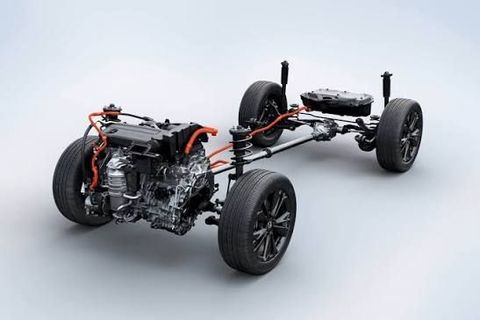
Honda OEM Transmission Guide: Genuine Components, Drivetrain Systems, and Vehicle Care
Updated: August 31, 2026
Read More
Honda Genuine Components Information: Engine Part, Brake Components, or Vehicle Care
Updated: September 18, 2026
Read More