Telehealth Platform Guide: Virtual Care Systems, Patient Access, and Practice Planning
Telehealth platforms are technology systems that support healthcare interactions through remote communication. Depending on the platform, patients and healthcare professionals may use video visits, secure messaging, appointment scheduling, electronic forms, remote monitoring, or other digital tools.
Telehealth can support healthcare delivery when an in-person visit is not necessary or when remote access is appropriate. The technology may be used by hospitals, physician practices, behavioral-health organizations, specialty clinics, and other healthcare settings.
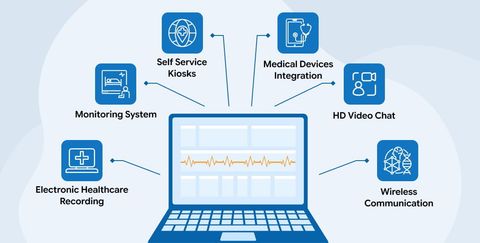
A telehealth platform is more than a video connection. Effective implementation can involve patient access, scheduling, clinical workflows, documentation, privacy, cybersecurity, technology integration, and regulatory considerations.
How Telehealth Platforms Work
A typical virtual-care workflow may include several stages.
Patient access
Patients may access a telehealth platform through a web browser, mobile application, patient portal, or another approved interface.
Appointment scheduling
Scheduling functionality can connect virtual appointments with provider availability, appointment types, reminders, and intake processes.
Identity and authentication
Platforms may use account credentials, authentication procedures, or other controls to help protect access to patient information.
Virtual consultation
Depending on the clinical situation, a provider and patient may communicate through video, audio, secure messaging, or other supported technologies.
Clinical documentation
Information from a virtual encounter may be documented within an electronic health record (EHR) or another approved clinical system.
Follow-up
After the encounter, the healthcare team may arrange follow-up appointments, prescriptions, referrals, testing, monitoring, or additional communication when appropriate.
Core Features of Telehealth Systems
Telehealth platforms can contain different combinations of features.
Common capabilities include:
Video and audio communication
Appointment scheduling
Patient registration
Digital intake forms
Secure messaging
Patient reminders
Provider calendars
Electronic consent workflows
EHR integration
Clinical documentation
Remote patient monitoring integration
Payment and administrative workflows
Reporting and analytics
User-access management
The appropriate feature set depends on the organization's clinical model, patient population, technology environment, and regulatory requirements.
Patient Access and Digital Experience
Patient access is an important consideration when implementing virtual care.
A platform should be understandable and accessible to the intended patient population. Organizations may need to consider:
Device compatibility
Internet requirements
Mobile access
Accessibility features
Language preferences
Patient authentication
Technical assistance
Appointment reminders
Digital literacy
Alternative access arrangements
Not every patient has the same technology capabilities. A practice may therefore need processes for situations where a patient cannot successfully connect through the primary virtual-care workflow.
Telehealth and Electronic Health Records
Integration with an EHR can reduce duplicate data entry and help clinicians maintain a consistent patient record.
Depending on the systems involved, integration may support:
Appointment synchronization
Patient demographics
Clinical notes
Encounter information
Orders
Medication information
Referral documentation
Follow-up information
Organizations should evaluate interoperability, authentication, data mapping, vendor controls, and system reliability before implementing an integrated telehealth workflow.
Privacy and Security
Telehealth platforms can handle protected health information (PHI), making privacy and security important considerations.
For covered entities and applicable business associates, the Health Insurance Portability and Accountability Act (HIPAA) establishes federal requirements involving protected health information.
Organizations should consider:
User authentication
Role-based access
Encryption
Access monitoring
Audit records
Data retention
Secure configuration
Workforce training
Vendor agreements
Incident response
Device security
Telehealth privacy requirements may involve more than the platform itself. Providers should also consider their physical environment, connected devices, network security, patient identity, and information exchanged during virtual encounters.
Telehealth Practice Planning
Successful telehealth implementation requires more than selecting technology.
A practice may first define:
Clinical use cases
Determine which appointment types and patient populations are appropriate for virtual care.
Workflow requirements
Map scheduling, intake, consultation, documentation, follow-up, and escalation processes.
Technology requirements
Assess internet connectivity, devices, EHR integration, authentication, accessibility, and technical support.
Staff responsibilities
Define responsibilities for clinicians, administrative personnel, technical teams, and compliance personnel.
Patient communication
Explain how appointments work, how patients access the platform, what technology is required, and what to do if technical problems occur.
Quality monitoring
Establish appropriate measures for access, patient experience, technical performance, clinical workflow, and operational reliability.
Telehealth Licensing and Regulatory Considerations
Telehealth rules can vary depending on the patient's location, provider location, profession, service type, and applicable state and federal requirements.
Organizations may need to consider:
Professional licensure
Provider scope of practice
Patient location
Prescribing requirements
Informed consent
Privacy obligations
Documentation requirements
Payer requirements
Medicare or Medicaid rules
State telehealth laws
Because requirements can change, healthcare organizations should verify current federal and state rules before establishing or modifying a telehealth program.
Telehealth Reimbursement and Coverage
Payment and coverage for telehealth can vary by payer and service.
Relevant factors may include:
Type of healthcare service
Patient eligibility
Provider type
Geographic requirements
Payer policies
Medicare rules
Medicaid requirements
Commercial insurance policies
Coding and documentation
Organizations should verify current reimbursement policies with the applicable payer rather than assuming that every virtual encounter receives the same coverage treatment as an in-person encounter.
Remote Patient Monitoring
Some telehealth platforms can connect with remote patient monitoring technologies.
These technologies may collect information such as:
Blood pressure
Blood glucose
Weight
Heart rate
Oxygen saturation
Other health measurements
Depending on the clinical program, collected information may be reviewed by qualified healthcare professionals and incorporated into patient management.
Remote monitoring requires appropriate device selection, patient instructions, data transmission, clinical review processes, escalation procedures, and documentation.
Recent Developments in Telehealth
Telehealth continues to evolve as healthcare organizations adopt more integrated digital-care models.
Recent developments include:
Greater integration with EHR systems
Expanded remote patient monitoring
Increased use of asynchronous communication
Improved digital scheduling and intake
More attention to accessibility
Expanded cybersecurity controls
Greater use of connected medical devices
Increasing focus on interoperability
Continued changes to federal and state telehealth policies
Organizations should distinguish temporary regulatory policies from permanent requirements and review current guidance when planning long-term virtual-care programs.
Tools and Resources
Useful U.S. resources include:
U.S. Department of Health & Human Services (HHS) — HIPAA and telehealth information
Centers for Medicare & Medicaid Services (CMS) — Medicare telehealth and reimbursement information
Health Resources and Services Administration (HRSA) — telehealth resources and program information
FDA — information concerning certain digital-health and medical-device technologies
State medical and professional boards — licensing and practice requirements
State Medicaid agencies — state-specific telehealth coverage information
EHR and telehealth technology documentation — platform configuration, interoperability, security, and workflow information
Healthcare organizations should verify applicable requirements with current official sources and qualified professionals.
FAQs
1. What is a telehealth platform?
A telehealth platform is a digital system that supports remote healthcare interactions. Depending on its design, it may include video visits, scheduling, secure messaging, electronic intake, documentation, and remote monitoring capabilities.
2. Is telehealth the same as a video appointment?
Not necessarily. Video consultation is one component of telehealth. A broader telehealth system can include scheduling, patient authentication, clinical documentation, secure communication, remote monitoring, and other workflows.
3. Does telehealth have to integrate with an EHR?
Not always, but EHR integration can help reduce duplicate data entry and connect virtual encounters with the patient's broader clinical record. Integration requirements depend on the organization's workflow and technology environment.
4. Is telehealth covered by Medicare or insurance?
Coverage varies according to the payer, service, patient eligibility, provider, location, and applicable rules. Patients and healthcare organizations should verify current coverage requirements with the relevant payer.
5. Are telehealth platforms required to follow HIPAA?
HIPAA requirements apply to covered entities and applicable business associates handling protected health information. Organizations should evaluate their specific role, platform configuration, agreements, and applicable privacy and security requirements.
Conclusion
Telehealth platforms connect virtual communication with broader healthcare workflows involving patient access, scheduling, documentation, privacy, technology integration, and clinical coordination.
For healthcare organizations, effective virtual-care planning starts with clearly defined clinical use cases and workflows rather than technology alone. Appropriate security controls, patient accessibility, staff preparation, EHR integration, and current regulatory knowledge can help create a more structured telehealth environment.

Related Post...
Telehealth Platform Guide: Virtual Care Systems, Patient Access, and Practice Planning
Updated: September 15, 2026
Read More
Funeral Planning Guide: Preplanning, Arrangements, and Family Resources
Updated: September 11, 2026
Read More
529 College Savings Guide: Education Planning, Account Options, and Tax Advantages
Updated: August 20, 2026
Read More