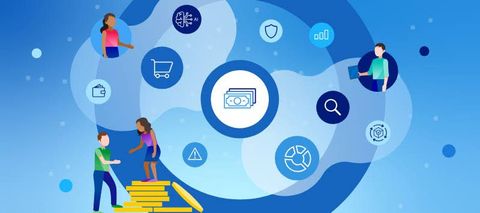
Sales Enablement Guide: Revenue Tools, Training Systems, and Sales Operations
Sales enablement is a structured approach to giving sales teams the information, technology, training, content, and processes needed to manage customer interactions and sales activities effectively.
A sales enablement environment can connect:
Sales training
Product knowledge
Sales content
CRM systems
Prospect information
Sales analytics
Communication tools
Coaching processes
Performance reporting
Revenue operations
A simplified enablement cycle can look like:
Plan → Train → Equip → Execute → Measure → Improve
The exact structure depends on the organization's products, sales model, industry, customer base, and technology environment.
Why Sales Enablement Matters
Sales teams often work across multiple systems and information sources. Product information may be stored separately from customer records, training materials, proposals, analytics, and communication tools.
A structured sales enablement program can help organizations organize:
Sales knowledge
Product information
Customer information
Sales content
Training materials
Communication workflows
Performance data
Coaching resources
Process documentation
The goal is to create greater consistency between sales strategy, daily workflows, and business objectives.
Sales Enablement Technology
Sales enablement can involve several technology categories.
Common tools include:
CRM platforms
Sales-content platforms
Training systems
Learning-management systems
Sales analytics tools
Conversation-intelligence platforms
Proposal-management systems
Revenue intelligence platforms
Sales engagement platforms
Business intelligence systems
Organizations may integrate these technologies rather than managing each system separately.
Sales Training and Onboarding
Training is a central component of sales enablement.
A structured program may cover:
Product knowledge
Industry knowledge
Customer profiles
Sales processes
CRM workflows
Communication techniques
Competitive information
Compliance requirements
Internal policies
Data-security practices
Sales onboarding can also be organized into stages so new team members gradually develop product, process, technology, and customer knowledge.
Sales Content Management
Sales teams may use a variety of materials during customer interactions.
Examples include:
Product guides
Presentations
Case studies
Technical documentation
Comparison materials
Proposal templates
Demonstration resources
Frequently asked questions
Implementation information
Compliance documentation
A centralized content-management process can help teams locate current materials and reduce the use of outdated documents.
Content should include appropriate ownership, review dates, version controls, and access permissions.
CRM Integration
CRM systems are often central to sales operations.
Sales enablement workflows may connect CRM information with:
Customer profiles
Account activity
Opportunity records
Sales content
Training data
Communication history
Forecast information
Performance analytics
Integration can reduce manual data movement and help teams work from more consistent information.
Sales Coaching
Sales coaching uses performance information and structured feedback to help teams develop their capabilities.
Coaching activities may include:
Conversation reviews
Role-play exercises
Product training
Pipeline reviews
Skill assessments
Manager feedback
Performance analysis
Individual development plans
Coaching should be connected to defined competencies and measurable objectives rather than relying only on informal observations.
Sales Analytics
Sales enablement systems can provide information about sales activities and outcomes.
Potential metrics include:
| Metric | Purpose |
|---|---|
| Training completion | Tracks participation in required learning |
| Content usage | Shows which materials are being accessed |
| CRM activity | Measures defined sales activities |
| Pipeline progression | Tracks movement through sales stages |
| Opportunity cycle time | Measures time between defined stages |
| Win rate | Measures completed opportunities |
| Sales productivity | Examines activity and outcome relationships |
| Onboarding progress | Tracks development of new team members |
Metrics should be interpreted in context because sales cycles, customer types, deal complexity, and market conditions can differ significantly.
Revenue Operations and Sales Enablement
Sales enablement can overlap with revenue operations (RevOps).
RevOps commonly connects:
Sales
Marketing
Customer operations
Revenue data
Technology systems
Business processes
Reporting
Sales enablement focuses more directly on equipping sales teams, while RevOps generally addresses broader revenue-process coordination.
Both functions can benefit from consistent data definitions and integrated systems.
Sales Engagement Tools
Sales engagement platforms can organize defined communication workflows.
Capabilities may include:
Contact sequencing
Task management
Communication tracking
Activity reminders
Template management
CRM synchronization
Performance reporting
Organizations should establish appropriate communication, privacy, consent, and data-governance controls when using these tools.
Artificial Intelligence in Sales Enablement
AI is increasingly being incorporated into sales workflows.
Potential applications include:
Conversation summaries
Meeting transcription
Sales-content recommendations
Account research
Opportunity analysis
Forecast assistance
Coaching insights
Email drafting
Knowledge retrieval
CRM data enrichment
AI-generated information should be reviewed appropriately, particularly when it involves customer information, confidential business data, pricing information, or important business decisions.
Sales Performance Management
Sales enablement can support broader performance-management processes by connecting training, activity, content usage, coaching, and outcomes.
Organizations may examine:
Skill development
Training completion
Content adoption
Pipeline activity
CRM usage
Coaching participation
Sales-cycle metrics
Revenue-related indicators
Performance measurements should be designed carefully so that teams understand what is being measured and why.
Data Security and Privacy
Sales systems can contain substantial amounts of customer and business information.
Important controls may include:
Role-based access
Multi-factor authentication
Encryption
CRM permissions
Audit logging
Data-retention rules
Secure integrations
Vendor assessments
Access reviews
Incident-response procedures
Organizations should also establish rules governing what customer information can be stored in sales tools and how that information may be shared.
Recent Developments
Modern sales enablement environments increasingly combine CRM platforms, learning systems, sales-content management, analytics, revenue intelligence, and AI.
AI-assisted coaching and conversation analysis are becoming more common, while organizations are also using centralized knowledge systems to make product and customer information easier to access.
Another development is closer integration between sales enablement and RevOps. This can connect sales training and content with broader revenue processes, data governance, forecasting, and operational reporting.
Laws, Policies, and Compliance Considerations
Sales enablement systems can involve customer information, employee records, communications, and business data.
Organizations may need to consider:
Data-protection laws
Marketing and communication requirements
Employee privacy
Customer-consent requirements
Industry-specific regulations
Records-retention requirements
Data-processing agreements
Cross-border data transfers
Information-security requirements
The applicable rules depend on the organization's location, industry, customer population, communication methods, and types of data processed.
Sales Enablement Planning Checklist
Before implementing or improving a sales enablement program, organizations can review:
Define sales objectives
Identify required sales competencies
Document onboarding requirements
Organize sales content
Establish content ownership
Define review and version controls
Connect CRM workflows
Evaluate training systems
Establish coaching processes
Define sales-performance metrics
Review required integrations
Establish data-security controls
Review privacy and communication requirements
Evaluate AI capabilities and human-review procedures
Connect enablement reporting with broader sales operations
Tools and Resources
Organizations evaluating sales enablement environments can consider:
CRM platforms: Organize customer, account, opportunity, and activity information.
Learning-management systems: Support structured sales training and onboarding.
Sales-content platforms: Organize approved presentations, documents, and other materials.
Conversation-intelligence tools: Analyze recorded or transcribed customer interactions.
Sales analytics platforms: Support activity and performance analysis.
Revenue intelligence systems: Connect sales data with forecasting and pipeline analysis.
Knowledge-management systems: Centralize product, process, and organizational information.
Business intelligence platforms: Combine sales data with broader organizational reporting.
Frequently Asked Questions
What is sales enablement?
Sales enablement is a structured approach to providing sales teams with the training, content, technology, information, and processes needed to perform their responsibilities effectively.
What does sales enablement software do?
Sales enablement software can organize training, sales content, customer information, coaching workflows, analytics, and integrations with CRM and other business systems.
What is the difference between sales enablement and sales operations?
Sales enablement generally focuses on equipping and developing sales teams, while sales operations typically focuses on processes, systems, data, reporting, planning, and operational coordination.
How does sales enablement support onboarding?
Sales enablement can organize product training, process education, technology instruction, content access, assessments, and coaching into a structured onboarding program.
Can AI support sales enablement?
AI can assist with conversation summaries, knowledge retrieval, content recommendations, coaching analysis, account research, and other workflows. Appropriate human review remains important for sensitive or consequential information.
Conclusion
Sales enablement connects sales training, content, technology, customer information, coaching, analytics, and operational processes.
A structured program can help organizations organize sales knowledge, standardize onboarding, improve access to approved content, connect CRM workflows, and establish measurable performance processes.
Effective planning should consider technology integration, content governance, training, coaching, data security, privacy, AI controls, and alignment with broader sales operations.

Related Post...
Accounts Payable Automation Guide: Invoice Workflows, Approvals, and Financial Controls
Updated: September 22, 2026
Read More
Workforce Management Software Guide: Scheduling, Attendance, and Labor Planning
Updated: September 22, 2026
Read More
Subscription Billing Guide: Recurring Payments, Invoicing, and Revenue Management
Updated: September 22, 2026
Read More