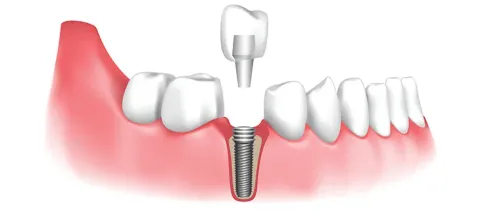
Root Canal Guide: Endodontic Procedures, Treatment Stages, or Dental Care
Root Canal, Root Canal Treatment, Root Canal Procedure, Endodontic Treatment, Endodontist, Root Canal Therapy, Tooth Infection Treatment, Dental Pulp Treatment, Root Canal Surgery, Root Canal Recovery, Dental Crown After Root Canal, Tooth Restoration, Endodontic Procedure, Root Canal Retreatment, Dental Care, Oral Hygiene, Tooth Pain Treatment, Dental Infection, Root Canal Consultation, Endodontic Care.
Root Canal Guide: Endodontic Procedures, Treatment Stages, and Dental Care
A root canal is an endodontic treatment used to address problems affecting the dental pulp and tissues inside a tooth. The procedure is intended to remove diseased or damaged pulp, clean and shape the internal tooth structure, and seal the treated space.
Root canal treatment may be considered when inflammation or infection has affected the pulp because of deep decay, cracks, trauma, or other dental conditions. A dentist or endodontist evaluates the tooth and determines the appropriate treatment.
Understanding Root Canal Treatment
A tooth contains several structures, including:
Enamel
Dentin
Dental pulp
Root canals
Supporting tissues
The dental pulp contains nerves and blood vessels. When the pulp becomes severely inflamed or infected, endodontic treatment may be recommended in appropriate cases.
Common Reasons for Root Canal Treatment
Root canal treatment may be associated with:
Deep tooth decay
Dental trauma
Cracked or damaged teeth
Repeated dental procedures
Pulp inflammation
Pulp infection
Certain tooth injuries
Symptoms can vary, and some dental infections may not initially cause noticeable discomfort.
Signs That May Require Dental Evaluation
Possible symptoms include:
Persistent tooth pain
Sensitivity to hot or cold
Pain when biting
Swelling around the tooth
Tender gums
Tooth discoloration
A recurring dental abscess
These symptoms can have different causes. A dental examination is necessary to determine the underlying problem.
Root Canal Treatment Stages
A typical root canal procedure may involve:
Examination: The dentist evaluates the tooth and may use dental imaging.
Anesthesia: Local anesthesia is generally used to help manage discomfort during treatment.
Access: An opening is created to reach the internal tooth structure.
Pulp removal: Diseased or damaged pulp tissue is removed.
Cleaning and shaping: The root canals are cleaned and prepared.
Filling: The cleaned canals are filled with an appropriate material.
Sealing: The tooth is sealed to help prevent contamination.
Restoration: A filling, crown, or other restoration may be placed depending on the tooth and its condition.
The exact sequence can vary according to the individual treatment plan.
Root Canal Treatment Overview
| Stage | General Purpose |
| Examination | Identify the dental problem |
| Imaging | Evaluate tooth and surrounding structures |
| Anesthesia | Manage discomfort during treatment |
| Access | Reach the internal tooth structure |
| Cleaning | Remove diseased or infected material |
| Shaping | Prepare the canals for filling |
| Sealing | Close the treated canal system |
| Restoration | Restore tooth structure and function |
Root Canal and Dental Imaging
Dental imaging can help professionals evaluate:
Root structure
Bone surrounding the tooth
Signs of infection
Tooth anatomy
Potential complications
The type of imaging used depends on the tooth, clinical circumstances, and treatment requirements.
Root Canal Restoration
After root canal treatment, the tooth may require a permanent restoration to restore its structure and function.
Depending on the tooth and amount of remaining structure, restoration may involve:
Dental filling
Dental crown
Onlay
Other restorative treatment
The appropriate restoration is determined by the treating dental professional.
Root Canal Recovery
After treatment, some patients may experience temporary sensitivity or discomfort.
Dental professionals may provide instructions concerning:
Eating and chewing
Oral hygiene
Medication use
Follow-up appointments
Temporary restorations
Permanent restoration timing
Patients should follow the individualized instructions provided by their dental professional.
Oral Care After Root Canal Treatment
Maintaining oral hygiene remains important after treatment.
Recommended care may include:
Brushing regularly
Cleaning between teeth
Following professional hygiene instructions
Attending dental examinations
Avoiding unnecessary stress on a temporarily restored tooth
Completing recommended restorative treatment
Good oral care can support the health of the treated tooth and surrounding tissues.
Root Canal Retreatment
In some cases, a previously treated tooth may develop another problem or fail to heal as expected. An endodontist may evaluate whether retreatment is appropriate.
Possible considerations include:
Persistent infection
New decay
Inadequate previous treatment
New damage
Problems with the restoration
Retreatment is not required for every previously treated tooth.
Potential Risks and Considerations
Root canal treatment is generally performed to preserve a natural tooth, but complications can occur.
Potential concerns may include:
Persistent infection
Instrument-related complications
Tooth fracture
Incomplete cleaning
Reinfection
Restoration failure
Sensitivity or discomfort
Individual risks depend on tooth anatomy, oral health, treatment complexity, and other clinical factors.
Modern Endodontic Technology
Endodontic care increasingly incorporates technologies such as:
Digital dental imaging
Magnification
Electronic working-length measurement
Specialized endodontic instruments
Three-dimensional imaging in selected cases
Digital treatment documentation
These technologies can assist diagnosis and treatment planning when clinically appropriate.
Root Canal Preparation Checklist
Schedule a dental evaluation for persistent symptoms.
Discuss available diagnostic imaging.
Ask about the condition of the affected tooth.
Understand the proposed treatment stages.
Discuss restoration requirements.
Follow post-treatment care instructions.
Maintain regular oral hygiene.
Attend recommended follow-up appointments.
Report persistent or worsening symptoms.
Complete recommended restorative treatment.
Frequently Asked Questions
What is a root canal?
A root canal is an endodontic procedure that removes diseased or damaged pulp from inside a tooth, cleans the root canals, and seals the treated space.
Is root canal treatment painful?
Modern root canal treatment generally uses local anesthesia to manage discomfort during the procedure. Some temporary soreness or sensitivity may occur afterward.
How many appointments does a root canal require?
The number of appointments varies depending on the tooth, infection, anatomy, treatment complexity, and restoration requirements.
Does a root canal require a crown?
Not every treated tooth requires a crown. The need for a crown or another restoration depends on factors such as tooth location, remaining tooth structure, and clinical assessment.
Can a root canal be repeated?
In some circumstances, a previously treated tooth may be evaluated for endodontic retreatment. An endodontist can determine whether retreatment or another option is appropriate.
Conclusion
Root canal treatment is an important endodontic procedure used in appropriate cases to address problems affecting the internal structures of a tooth. Treatment commonly involves examination, pulp removal, cleaning, canal shaping, sealing, and restoration.
Modern dental imaging and endodontic technologies continue to support diagnosis, treatment planning, and clinical care. Long-term dental care remains important after treatment, including appropriate restoration, oral hygiene, and professional follow-up.
Disclaimer
This article is provided for general educational and informational purposes only and does not constitute dental or medical advice. Symptoms, treatment suitability, procedure requirements, recovery, and potential risks vary between individuals. Consult a qualified dentist or endodontist for evaluation and personalized treatment guidance.

Related Post...
Water Heater Guide: System Types, Installation Planning, and Home Maintenance
Updated: August 24, 2026
Read More
Chronic Pain Management Guide: Treatment Approaches, Therapy Options, and Care Planning
Updated: August 24, 2026
Read More
Hearing Implant Guide: Implant Technology, Procedures, and Hearing Rehabilitation
Updated: August 24, 2026
Read More