Neck Pain Treatment Guide: Therapy Methods, Physical Rehabilitation, Pain Management, and Care Planning
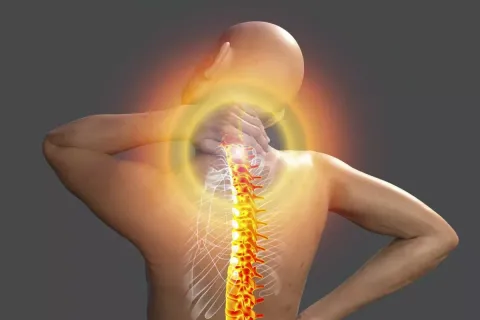
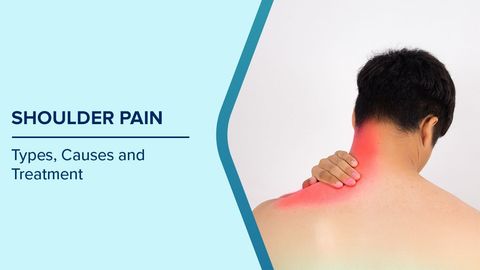
Neck pain is common and can result from muscle strain, prolonged posture, injuries, degenerative changes, nerve irritation, or other medical conditions. Symptoms may include localized pain, stiffness, headaches, reduced movement, or discomfort extending into the shoulders and arms.
The appropriate approach depends on the suspected cause, symptom severity, duration, medical history, and impact on daily activities.
Neck pain management may involve activity modification, physical therapy, exercise, medication, ergonomic changes, or specialist evaluation when symptoms persist or concerning features are present.
Common Causes of Neck Pain
Neck pain can develop for many reasons, including:
Muscle strain
Poor or prolonged posture
Extended computer or device use
Sleep-position problems
Sports-related injuries
Whiplash
Degenerative changes in the cervical spine
Cervical disc problems
Nerve irritation
Muscle tension
Certain inflammatory conditions
The cause is not always obvious from symptoms alone. Persistent, severe, or unusual symptoms may require professional evaluation.
Neck Pain Symptoms
Neck-related symptoms can vary considerably.
Common symptoms include:
Aching or stiffness
Reduced neck movement
Muscle tightness
Pain when turning the head
Shoulder discomfort
Upper-back discomfort
Headaches associated with neck movement
Tingling or numbness in an arm
Pain extending toward the shoulder or arm
Symptoms involving weakness, significant numbness, coordination problems, or other neurological changes warrant professional assessment.
Neck Pain Evaluation
A healthcare professional may evaluate:
Symptom duration
Pain location
Recent injuries
Movement limitations
Muscle strength
Reflexes
Sensation
Arm or shoulder symptoms
Medical history
Previous treatments
Imaging is not always necessary for uncomplicated neck pain. Depending on the circumstances, clinicians may consider X-rays, magnetic resonance imaging, computed tomography, or other testing when there is concern about structural problems, neurological involvement, trauma, or another underlying condition.
Conservative Neck Pain Treatment
Many uncomplicated neck-pain conditions are initially managed without procedures.
Approaches may include:
Activity modification
Gentle movement
Physical therapy
Therapeutic exercise
Posture adjustments
Ergonomic improvements
Heat or cold
Medication when appropriate
Gradual return to normal activity
Treatment should be adapted to the suspected cause rather than assuming that one approach is appropriate for everyone.
Physical Therapy for Neck Pain
Physical therapy can be an important part of rehabilitation.
A therapist may develop a program involving:
Neck mobility exercises
Postural training
Strengthening
Shoulder and upper-back exercises
Flexibility work
Movement retraining
Functional exercises
Gradual activity progression
The purpose is generally to improve movement, strength, function, and confidence with normal activities.
Exercises should be selected according to the individual's condition. Exercises that significantly worsen symptoms should be discussed with the treating professional.
Posture and Ergonomic Care
Long periods of sitting, computer work, driving, or device use can contribute to neck discomfort in some people.
Workplace adjustments may include:
Positioning the monitor appropriately
Maintaining a comfortable sitting position
Taking regular movement breaks
Avoiding prolonged static postures
Adjusting chair and desk height
Positioning frequently used devices comfortably
Alternating tasks when possible
Good ergonomics does not necessarily mean maintaining one rigid posture all day. Regular movement and changing positions can also be helpful.
Exercise and Physical Activity
Remaining appropriately active can support recovery from many types of neck pain.
Depending on the underlying condition, activities may include:
Walking
Gentle mobility exercises
Shoulder strengthening
Upper-back strengthening
Controlled stretching
General fitness activities
A gradual return to activity is often preferable to prolonged inactivity unless a healthcare professional recommends otherwise.
Pain Management Approaches
Pain management depends on the underlying condition and individual risk factors.
Healthcare professionals may consider:
Non-drug approaches
Physical therapy
Heat or cold
Topical medications
Oral pain medications
Other condition-specific treatments
Medication selection should consider factors such as age, other medical conditions, allergies, kidney or liver function, gastrointestinal risks, cardiovascular risks, and potential medication interactions.
People should not start, stop, or change prescription medication without appropriate medical guidance.
Neck Pain With Arm Symptoms
Pain, tingling, numbness, or weakness extending from the neck into an arm may indicate irritation or compression involving a cervical nerve.
Evaluation may be particularly important when symptoms:
Persist or worsen
Interfere with normal activities
Include significant weakness
Cause substantial numbness
Affect coordination
Develop after significant trauma
The appropriate treatment depends on the underlying cause and neurological findings.
Specialist Evaluation
Depending on the suspected cause, evaluation may involve:
Primary-care professionals
Physical therapists
Orthopedic specialists
Neurologists
Neurosurgical specialists
Physical medicine and rehabilitation specialists
Pain-management specialists
Referral decisions depend on symptoms, examination findings, duration, functional limitations, and response to initial treatment.
Injections and Other Procedures
Certain neck conditions may be treated with interventional procedures when appropriate.
Depending on the diagnosis, clinicians may consider selected injections or other procedures for persistent symptoms.
These approaches require individualized evaluation because benefits, risks, evidence, and appropriate indications vary.
A procedure should not be considered simply because conservative treatment has not immediately resolved symptoms. The underlying diagnosis and expected benefit should be assessed first.
When Surgery May Be Considered
Most neck pain does not automatically require surgery.
Surgical evaluation may be considered in selected circumstances involving:
Significant nerve compression
Progressive neurological weakness
Spinal cord compression
Certain traumatic injuries
Structural problems that do not respond appropriately to non-surgical management
Severe functional limitations associated with an identified structural condition
The specific procedure depends on the diagnosis and may involve decompression, fusion, disc-related procedures, or other surgical approaches.
Recovery Planning
Recovery from neck pain varies considerably.
A general recovery framework may involve:
Early phase
Managing symptoms
Maintaining appropriate movement
Avoiding activities that clearly aggravate symptoms
Beginning suitable rehabilitation
Progressive phase
Increasing mobility
Building strength
Improving posture and movement patterns
Returning gradually to normal activities
Long-term phase
Maintaining physical activity
Continuing appropriate strengthening
Addressing ergonomic factors
Monitoring recurring symptoms
Following professional recommendations
Recovery should be based on the underlying condition rather than a fixed timeline.
Sleep and Neck Pain
Sleep position and pillow arrangement can affect comfort for some people with neck symptoms.
Potential considerations include:
Maintaining a comfortable neck position
Avoiding prolonged positions that aggravate symptoms
Selecting a pillow that provides appropriate support
Changing position if stiffness develops
Maintaining regular sleep habits
There is no universally ideal pillow or sleeping position for every person.
Neck Pain Prevention and Long-Term Care
Some strategies may help reduce recurring discomfort:
Regular physical activity
Strengthening the neck, shoulders, and upper back when appropriate
Taking breaks during prolonged computer work
Varying sitting and standing positions
Using appropriate workplace ergonomics
Gradually increasing exercise intensity
Addressing previous injuries
Maintaining general physical fitness
Prevention strategies should be adapted to the individual's work, sports, health conditions, and previous injuries.
Recent Developments in Neck Pain Care
Neck-pain management continues to evolve through developments in rehabilitation, diagnostic imaging, digital health, and surgical technology.
Current areas of development include:
Exercise-based rehabilitation
Digital physical-therapy tools
Wearable movement monitoring
Computer-assisted surgical planning
Improved spinal imaging
Minimally invasive procedures
Personalized rehabilitation programs
Data-supported clinical decision-making
Technology can support evaluation and treatment but does not replace professional clinical judgment.
When to Seek Prompt Medical Attention
Some neck symptoms require urgent or prompt evaluation.
Seek urgent medical attention for symptoms such as:
Severe neck pain after significant trauma
New or progressive weakness
Significant numbness
Difficulty walking or coordinating movements
New loss of bladder or bowel control
Severe headache associated with unusual neurological symptoms
Fever with severe neck stiffness or other concerning symptoms
Difficulty breathing or swallowing
Other sudden or rapidly worsening neurological symptoms
These symptoms can sometimes indicate conditions requiring urgent medical assessment.
Neck Pain Management Checklist
When discussing neck pain with a healthcare professional, consider documenting:
When symptoms began
Whether an injury occurred
Pain location
Pain severity
Activities that worsen symptoms
Activities that improve symptoms
Arm or shoulder symptoms
Numbness or tingling
Weakness
Sleep disruption
Previous treatments
Current medications
Relevant medical history
Work or activity demands
This information can help provide a clearer picture during an evaluation.
Tools and Resources
Useful resources for learning about neck pain include:
Physical-therapy educational resources
Orthopedic and spine-care resources
Neurology information
Rehabilitation guidance
Medical imaging information
Medication information from authoritative healthcare sources
Workplace ergonomic resources
Professional rehabilitation instructions
Medical information should be evaluated according to the credibility of the source and the specific condition being addressed.
Frequently Asked Questions
1. What is the best treatment for neck pain?
There is no single treatment that is appropriate for every cause of neck pain. Depending on the condition, management may include physical therapy, therapeutic exercise, activity modification, medication, ergonomic changes, or specialist evaluation.
2. Can physical therapy help neck pain?
Physical therapy can help many people by improving mobility, strength, posture, movement patterns, and functional capacity. The appropriate program depends on the cause and severity of symptoms.
3. When should someone see a neck-pain specialist?
Specialist evaluation may be appropriate when symptoms persist, significantly interfere with daily activities, involve neurological symptoms, follow substantial trauma, or do not improve with appropriate initial management.
4. Can neck pain cause arm numbness or tingling?
It can. Certain cervical spine conditions can irritate or compress nerves and produce symptoms extending into the shoulder or arm. Persistent numbness, weakness, or worsening neurological symptoms should receive professional evaluation.
5. Does neck pain always require an MRI?
No. Imaging decisions depend on symptoms, examination findings, injury history, duration, and suspected underlying conditions. A healthcare professional can determine whether imaging is appropriate.
Conclusion
Neck pain management begins with understanding the likely cause and assessing how symptoms affect movement, work, sleep, and daily activities.
Treatment may include physical rehabilitation, therapeutic exercise, ergonomic adjustments, medication, supportive care, selected procedures, or specialist treatment depending on the underlying condition.
Because neck pain can sometimes involve nerves or other important structures, persistent, severe, or neurologically significant symptoms should be evaluated by an appropriately qualified healthcare professional.

Related Post...
Back Pain Treatment Guide: Therapy Option, Pain Management, Specialist Care, and Recovery Planning
Updated: October 08, 2026
Read More