IVF Treatment Guide: Fertility Procedures, Testing, and Family Planning Information
In vitro fertilization, commonly called IVF, is an assisted reproductive technology used to help achieve pregnancy when conception has not occurred naturally or when certain fertility factors make other approaches less suitable.
IVF involves several coordinated stages. Eggs are collected from the ovaries, fertilized with sperm in a laboratory, and resulting embryos are monitored before an embryo may be transferred to the uterus. Remaining suitable embryos may be cryopreserved for possible future use.
IVF can be considered for different fertility circumstances, including fallopian-tube problems, some forms of male-factor infertility, endometriosis, unexplained infertility, diminished ovarian reserve, and situations where donor eggs, donor sperm, or previously frozen reproductive material may be appropriate.
The process is individualized. Age, ovarian reserve, sperm factors, previous pregnancy history, medical conditions, reproductive goals, and previous IVF outcomes can all influence the treatment plan.
Why IVF Matters
Infertility can involve female factors, male factors, combined factors, or circumstances where no clear cause is identified. Fertility evaluation helps determine which approaches may be appropriate.
IVF can also be relevant to family planning beyond unexplained infertility. For example, people who face medical treatments that could affect future fertility may consider embryo or egg preservation before treatment. ASRM's 2026 guidance recommends prompt fertility-preservation counseling for people facing treatments that could impair reproductive function.
Important factors considered during fertility planning include:
Maternal age and ovarian reserve
Sperm quantity and quality
Ovulation patterns
Fallopian-tube condition
Uterine anatomy
Previous pregnancies or fertility treatments
Endometriosis or other reproductive conditions
Genetic considerations
Desired family size
Whether donor eggs, sperm, embryos, or a gestational carrier may be considered
Fertility Testing Before IVF
Testing generally begins with a medical and reproductive history followed by targeted evaluation.
Common assessments can include:
Blood tests for reproductive hormones
Ovarian-reserve testing
Antral follicle count using ultrasound
Pelvic or transvaginal ultrasound
Assessment of the uterus and fallopian tubes when appropriate
Semen analysis
Infectious-disease screening when indicated
Genetic carrier screening when appropriate
Review of previous fertility treatment records
Ovarian-reserve testing can help clinicians estimate ovarian response to stimulation, but it does not independently predict whether an individual will become pregnant.
Semen analysis evaluates factors such as sperm concentration, movement, and morphology. If sperm production or ejaculation is significantly impaired, additional male-fertility evaluation may be appropriate.
How the IVF Process Works
1. Ovarian stimulation
Medications containing reproductive hormones may be used to encourage development of multiple follicles during one menstrual cycle.
Ultrasound examinations and blood testing are commonly used to monitor follicular development and hormone levels.
The goal is not simply to produce as many eggs as possible. The stimulation protocol is adjusted according to the patient's age, ovarian reserve, previous response, and risk factors.
2. Trigger medication
When follicles reach an appropriate stage of development, a final maturation medication may be administered.
The timing is important because egg retrieval is generally scheduled within a specific period afterward.
3. Egg retrieval
Egg retrieval is usually performed using ultrasound guidance with a needle that accesses the ovaries through the vaginal route.
The retrieved fluid is examined by an embryology laboratory to identify eggs.
4. Sperm collection and preparation
Sperm may be collected through ejaculation or, in selected circumstances, through a medical sperm-retrieval procedure.
The laboratory prepares sperm for fertilization.
5. Fertilization
There are two major laboratory approaches.
Conventional IVF: Eggs and prepared sperm are placed together so fertilization can occur.
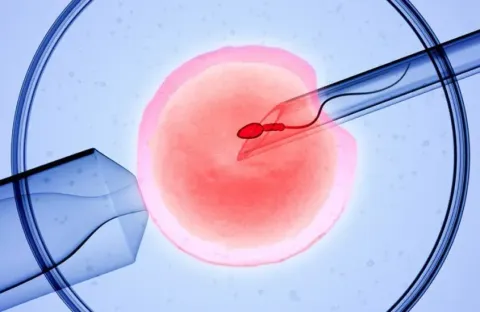
ICSI: A single sperm is injected directly into an egg.
ICSI may be considered in certain male-factor infertility situations or after particular previous fertilization outcomes. It is not automatically necessary for every IVF cycle.
6. Embryo culture
After fertilization, embryos remain in controlled laboratory conditions while embryologists monitor their development.
Embryologists may assess:
Fertilization
Cell development
Embryo morphology
Developmental progression
Suitability for transfer or cryopreservation
Laboratory identification and witnessing procedures are important safety measures. ASRM's 2026 guidance describes witnessing at critical stages such as oocyte handling, sperm preparation, fertilization, embryo movement, biopsy, cryopreservation, thawing, and embryo transfer.
7. Embryo genetic testing when appropriate
Some patients may consider preimplantation genetic testing, commonly abbreviated PGT.
Different forms of testing can examine embryos for specific genetic conditions or chromosome-number abnormalities.
PGT should not be treated as a universal requirement. ASRM's 2026 fertility-preservation guidance notes that PGT-A does not have evidence supporting routine use for all IVF patients and emphasizes individualized decision-making.
8. Embryo transfer
An embryo may be transferred into the uterus using a thin catheter.
The procedure is generally performed under clinical guidance and does not involve abdominal surgery.
Embryo-transfer technique and laboratory quality can influence outcomes, which is why standardized procedures and appropriate clinical training are emphasized in reproductive medicine.
9. Pregnancy testing
After embryo transfer, the clinical team determines when pregnancy testing should occur.
A blood test measuring human chorionic gonadotropin (hCG) is commonly used because it can detect pregnancy earlier and more reliably than relying only on symptoms.
If pregnancy is confirmed, follow-up ultrasound examinations may be scheduled to evaluate early pregnancy development.
Fresh vs. Frozen Embryo Transfer
Embryos may be transferred during the same treatment cycle or cryopreserved for later transfer.
A frozen embryo transfer can allow the uterine lining to be prepared separately from the ovarian stimulation and egg-retrieval process.
The appropriate approach depends on factors such as embryo availability, hormone levels, uterine conditions, medical history, and the clinic's protocol.
Cryopreservation has also become an important part of fertility preservation. ASRM identifies mature-oocyte and embryo cryopreservation as established fertility-preservation techniques.
IVF Medications and Monitoring
IVF protocols can involve several types of medications, depending on the treatment plan.
These may include medications intended to:
Stimulate follicular development
Prevent premature ovulation
Trigger final egg maturation
Support the uterine lining after transfer
Medication selection and dosage should be determined by the treating fertility specialist.
Patients should not independently change fertility medications or hormone doses. Medication safety also becomes particularly important once pregnancy occurs because some medicines may affect pregnancy or fetal development. The FDA recommends discussing medication use during pregnancy with appropriate healthcare professionals.
Potential IVF Risks and Considerations
IVF is an established medical procedure, but it does not guarantee pregnancy or a live birth.
Potential risks and considerations include:
Ovarian hyperstimulation syndrome (OHSS)
Ovarian enlargement or discomfort
Bleeding or infection following egg retrieval
Complications related to sedation or anesthesia
Multiple pregnancy
Ectopic pregnancy
Pregnancy loss
Emotional stress
Medication-related side effects
No viable embryos available for transfer
Cycle cancellation or poor ovarian response
The number of embryos transferred is particularly important because transferring multiple embryos can increase the likelihood of multiple pregnancy. FDA labeling for gonadotropin medication used in ART warns about multifetal gestation and notes that the rate depends partly on the number of embryos transferred.
IVF Success Rates
IVF outcomes vary substantially between individuals and clinics.
Important variables include:
Age at egg retrieval
Ovarian reserve
Egg and embryo characteristics
Sperm factors
Uterine conditions
Genetic factors
Previous IVF outcomes
Number of embryos available
Embryo-transfer strategy
A single clinic-wide percentage should therefore not be interpreted as an individual's predicted outcome.
When reviewing fertility-center statistics, it can be useful to examine age-specific outcomes and distinguish between pregnancy rates, implantation rates, and live-birth rates.
Fertility Preservation and Family Planning
IVF technology can also be used for fertility preservation.
For example, mature eggs may be retrieved and cryopreserved for potential future use. Eggs may also be fertilized and preserved as embryos.
People preparing for chemotherapy, radiation, certain surgeries, or other treatments that may affect reproductive function may benefit from early fertility counseling. ASRM's 2026 guidance emphasizes rapid referral and discussion of preservation options before fertility-threatening medical treatment whenever circumstances permit.
Family-building decisions can also involve:
Frozen eggs
Frozen embryos
Donor eggs
Donor sperm
Donor embryos
Gestational carriers
Previously preserved reproductive tissue
Legal requirements concerning donors, embryos, storage, consent, and gestational carriers can vary by jurisdiction.
Financial and Insurance Planning
IVF can involve several separate categories of medical and laboratory expenses. The total financial commitment depends on the treatment protocol, medications, testing, laboratory procedures, embryo storage, and additional cycles.
Insurance coverage varies considerably by location and health plan.
Before beginning treatment, patients can ask the fertility clinic and insurer about:
Which diagnostic tests are covered
Which medications are covered
Whether IVF cycles are covered
Coverage limits
Laboratory procedures
Embryo storage
Genetic testing
Donor-related expenses
Required prior authorization
Applicable deductibles and patient payments
A written treatment and financial plan can help prevent unexpected expenses.
Choosing a Fertility Clinic
When evaluating a fertility center, consider factors beyond a headline success percentage.
Useful questions include:
Does the clinic publish age-specific outcome information?
What fertility diagnoses does the clinic commonly manage?
What laboratory accreditation or quality controls are used?
How are embryos identified and tracked?
What is the clinic's embryo-transfer policy?
How are cryopreserved embryos and eggs monitored?
What genetic counseling resources are available?
How are complications handled?
What follow-up is provided after embryo transfer?
How are consent and storage decisions documented?
Laboratory identification is particularly important because IVF involves handling eggs, sperm, embryos, and cryopreserved reproductive material. ASRM's current laboratory guidance emphasizes identification and witnessing procedures throughout these stages.
Tools and Resources
Useful resources for IVF planning include:
Fertility treatment records: Keep laboratory results, ultrasound reports, medication records, and previous-cycle information together.
Medication calendar: Track prescribed medication times and monitoring appointments.
Embryo record: Maintain documentation about embryo development, testing, cryopreservation, and transfer.
Insurance documents: Review fertility-related coverage and authorization requirements before treatment.
Questions list: Prepare questions for the reproductive endocrinologist, embryologist, genetic counselor, and nursing team.
Fertility education: ASRM's ReproductiveFacts.org provides patient-oriented reproductive-health information and fertility resources.
FAQs
Is IVF the same as artificial insemination?
No. IVF involves retrieving eggs and fertilizing them in a laboratory before an embryo may be transferred to the uterus. Intrauterine insemination, or IUI, places prepared sperm inside the uterus without laboratory fertilization of the egg.
How long does an IVF cycle take?
The timeline varies by protocol. Ovarian stimulation, monitoring, egg retrieval, embryo development, and transfer may occur over several weeks, while frozen embryo-transfer cycles can follow a separate schedule.
Does IVF guarantee pregnancy?
No. IVF can improve reproductive options for appropriate patients, but pregnancy and live-birth outcomes vary according to age, diagnosis, embryo factors, and other individual circumstances.
Can embryos be frozen?
Yes. Embryo cryopreservation is an established technique and can allow suitable embryos to be stored for potential future transfer.
Is genetic testing required before embryo transfer?
No. Preimplantation genetic testing is not automatically required for every IVF cycle. Whether testing is appropriate depends on medical history, genetic risk, embryo availability, age, and other considerations.
Conclusion
IVF combines fertility evaluation, ovarian stimulation, egg retrieval, laboratory fertilization, embryo development, and embryo transfer into a coordinated reproductive process.
The appropriate pathway differs from one person or couple to another. Understanding fertility testing, embryo development, genetic-testing considerations, cryopreservation, risks, and clinic quality can make discussions with a reproductive specialist more informed.
For people facing medical treatments that may affect future fertility, early counseling can be especially important because some preservation options depend on timing and reproductive potential.

Related Post...
IVF Treatment Guide: Fertility Procedures, Testing, and Family Planning Information
Updated: September 08, 2026
Read More
Memory Care Guide: Dementia Support, Senior Living, and Care Planning
Updated: September 07, 2026
Read More
Home Infusion Guide: Medication Delivery, Clinical Care, and Patient Resources
Updated: September 08, 2026
Read More