Industrial Boiler Guide: Boiler Systems, Energy Management, and Maintenance Planning
An industrial boiler is a system designed to generate steam or hot water using a controlled heat source. Industrial facilities use boilers for heating, processing, power generation, sanitation, and other applications.
A boiler system typically includes more than the boiler itself. Supporting equipment may include:
Burners
Feedwater systems
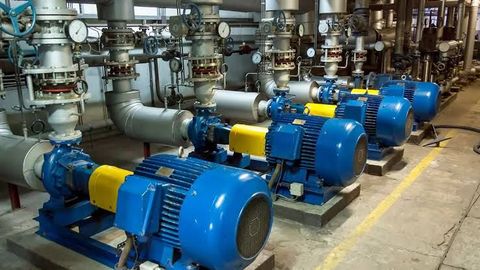
Pumps
Water-treatment equipment
Steam distribution systems
Heat exchangers
Economizers
Safety valves
Combustion controls
Monitoring systems
Boiler selection depends on required steam or hot-water output, operating pressure, fuel characteristics, facility design, operating schedule, and applicable safety requirements.
Why Industrial Boiler Systems Matter
Reliable steam and hot-water generation can be important for many industrial processes. Boiler performance also affects fuel consumption, emissions, operating stability, and maintenance requirements.
A well-planned boiler system considers:
Required thermal capacity
Operating pressure
Fuel type
Water quality
Steam demand
Combustion efficiency
Heat recovery
Control systems
Maintenance access
Safety requirements
Understanding the complete boiler system helps facilities evaluate performance rather than focusing only on the boiler vessel.
Types of Industrial Boilers
Fire-Tube Boilers
Fire-tube boilers pass hot combustion gases through tubes surrounded by water.
They are commonly associated with applications requiring moderate steam production and pressure levels.
Their relatively straightforward configuration can make them suitable for certain industrial and commercial facilities.
Water-Tube Boilers
Water-tube boilers circulate water through tubes exposed to hot combustion gases.
They are commonly used for higher-pressure and higher-capacity applications.
Water-tube designs can provide flexibility for large industrial processes where substantial steam generation is required.
Electric Boilers
Electric boilers use electrical energy to generate steam or hot water rather than directly burning fuel.
They may be relevant where electrical infrastructure and process requirements make this configuration appropriate.
Waste-Heat Boilers
Waste-heat boilers recover thermal energy from hot industrial exhaust or process gases.
They can be integrated into facilities where substantial heat is available as a byproduct of another industrial process.
Boiler System Components
A boiler operates as part of an interconnected system.
Burners provide controlled combustion in fuel-fired boilers.
Feedwater systems deliver treated water into the boiler.
Boiler pumps support water circulation and feedwater movement.
Economizers can recover heat from exhaust gases to preheat incoming feedwater.
Steam separators may help remove water droplets from steam in applicable systems.
Safety valves provide pressure protection when system pressure reaches defined limits.
Controls and sensors monitor variables such as pressure, temperature, water level, and combustion conditions.
Steam Generation and Distribution
Steam generation involves transferring heat to water until it reaches the required pressure and state.
After generation, steam may travel through a distribution network to process equipment or heating systems.
A steam distribution system can include:
Main steam headers
Distribution piping
Control valves
Pressure regulators
Steam traps
Condensate return lines
Heat exchangers
Condensate recovery can return usable water and thermal energy to the boiler system, reducing the demand for fresh feedwater and additional heating.
Boiler Water Treatment
Water quality is an important factor in boiler operation.
Untreated or poorly controlled water can contribute to:
Scale formation
Corrosion
Deposits
Reduced heat transfer
Equipment deterioration
Steam-quality problems
Water-treatment programs may include filtration, softening, demineralization, chemical treatment, and monitoring, depending on boiler design and water characteristics.
Important parameters can include:
pH
Conductivity
Dissolved solids
Hardness
Dissolved oxygen
Water-treatment requirements should be established according to boiler specifications, operating conditions, and applicable technical guidance.
Energy Management
Boiler systems can consume substantial amounts of energy, making efficiency an important planning consideration.
Facilities may examine:
Combustion efficiency
Excess air levels
Boiler loading
Insulation
Steam leaks
Condensate recovery
Blowdown management
Economizer performance
Burner controls
Heat recovery
Operating a boiler significantly above the required pressure or capacity can increase energy consumption.
Facilities can also monitor fuel use and steam production to identify changes in system performance.
Boiler Maintenance Planning
Preventive maintenance helps identify equipment deterioration before it develops into larger operational problems.
A maintenance program may include:
Burner inspection
Boiler-water testing
Tube inspection
Safety-valve testing
Pump inspection
Steam-trap inspection
Combustion analysis
Pressure-control testing
Insulation inspection
Feedwater-system inspection
Flue and exhaust-system inspection
Maintenance intervals should follow manufacturer recommendations, operating conditions, inspection requirements, and applicable regulations.
Condition-monitoring technologies can also track pressure, temperature, vibration, combustion characteristics, and other operating parameters.
Boiler Safety
Industrial boilers operate with high temperatures and, in many systems, significant pressure. Proper safety controls are therefore essential.
Important safety features and procedures can include:
Pressure-relief devices
Low-water protection
Flame monitoring
Automatic shutdown systems
Combustion controls
Water-level monitoring
Emergency procedures
Lockout/tagout practices
Operator training
Periodic inspections
Boiler-room personnel should understand operating procedures, alarm conditions, emergency shutdown processes, and equipment-specific safety requirements.
Recent Developments
Industrial boiler technology is increasingly incorporating automation, sensors, heat recovery, and advanced controls.
Important developments include:
Smart boiler controls: Digital controls can adjust combustion and system operation based on changing conditions.
Remote monitoring: Connected sensors can provide information about pressure, temperature, fuel consumption, and equipment status.
Predictive maintenance: Operating data can help identify unusual trends that may indicate developing equipment problems.
Heat recovery: Economizers and other recovery technologies can capture useful thermal energy.
Low-emission combustion: Modern burner technologies can help facilities manage regulated combustion emissions.
Hybrid heating systems: Some facilities combine boilers with other thermal technologies depending on process requirements.
Improved water monitoring: Automated sensors can continuously track important water-quality parameters.
Technology selection should account for facility requirements, fuel availability, emissions requirements, infrastructure, and lifecycle planning.
Laws, Standards, and Compliance
Industrial boiler operations can involve requirements concerning pressure vessels, workplace safety, fuel combustion, air emissions, environmental protection, and equipment inspection.
In the United States, facilities may need to consider requirements from organizations and authorities such as OSHA, the Environmental Protection Agency (EPA), ASME, and applicable state or local agencies.
Compliance areas may include:
Pressure-vessel requirements
Boiler inspections
Combustion safety
Air-emission controls
Fuel-system requirements
Workplace safety
Operator training
Recordkeeping
Maintenance documentation
Emergency procedures
Requirements can vary significantly according to boiler capacity, fuel type, location, and application.
Tools and Resources
Industrial facilities may use:
Boiler control systems
Combustion analyzers
Pressure gauges
Temperature sensors
Water-quality analyzers
Steam-flow meters
Fuel-flow meters
Vibration monitoring systems
Boiler inspection equipment
Energy-management software
Predictive-maintenance platforms
Monitoring these variables can help facility teams understand boiler performance and identify changes that require investigation.
FAQs
What is an industrial boiler?
An industrial boiler is equipment designed to generate steam or hot water through a controlled heating process for industrial applications.
What are the main types of industrial boilers?
Common types include fire-tube, water-tube, electric, and waste-heat boilers. The appropriate configuration depends on capacity, pressure, heat source, and process requirements.
Why is boiler water treatment important?
Water treatment helps control scale, corrosion, deposits, and other conditions that can affect boiler performance and equipment longevity.
How can industrial boiler efficiency be improved?
Facilities can examine combustion settings, insulation, steam distribution, condensate recovery, heat recovery, boiler loading, and maintenance practices.
How often should an industrial boiler be maintained?
Maintenance frequency depends on the boiler design, operating conditions, manufacturer recommendations, inspection requirements, and applicable regulations.
Conclusion
Industrial boilers are complex thermal systems that combine heat generation, water treatment, steam distribution, combustion controls, safety equipment, and monitoring technologies.
Effective planning requires attention to capacity, pressure, fuel characteristics, water quality, energy use, emissions, maintenance access, and facility safety.
Modern monitoring, automated controls, heat-recovery systems, and predictive-maintenance technologies can provide additional tools for managing boiler performance. Regular inspection, qualified operation, and compliance with applicable requirements remain essential.

Related Post...

Home Oxygen Therapy Guide: Equipment, Respiratory Care, and Safety Information
Updated: September 08, 2026
Read More
Commercial Generator Guide: Backup Power Systems, Capacity, and Facility Planning
Updated: September 09, 2026
Read More
Material Handling Equipment Guide: Warehouse Systems, Equipment, and Operations Planning
Updated: September 09, 2026
Read More