Guide to Mold Remediation: Indoor Air Quality, Property Restoration, and Prevention
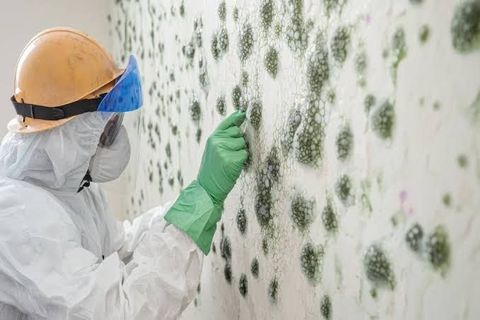
Mold remediation is the process of addressing indoor mold growth, removing contaminated materials when appropriate, cleaning affected areas, and correcting the moisture conditions that allowed mold to develop. Mold can grow when moisture accumulates on building materials, furnishings, or other surfaces.
Mold spores are common in indoor and outdoor environments. The primary objective is therefore not to eliminate every mold spore, but to control moisture and prevent excessive indoor mold growth. The U.S. Environmental Protection Agency (EPA) identifies moisture control as a central part of mold prevention.
Mold remediation can involve homes, apartments, offices, schools, commercial buildings, and other structures. The appropriate approach depends on the size of the affected area, the materials involved, the source of moisture, and the potential for mold to spread.
Context
Mold can develop following water leaks, flooding, condensation, plumbing problems, roof damage, or persistent humidity. Porous materials such as drywall, insulation, carpeting, and some furnishings can retain moisture and provide conditions favorable to mold growth.
Common Causes of Indoor Mold
Mold problems can be associated with:
Plumbing leaks
Roof leaks
Flooding
Condensation
High indoor humidity
Poor ventilation
Wet building materials
Drainage problems
HVAC moisture issues
Delayed water-damage cleanup
EPA guidance emphasizes that moisture problems should be addressed promptly because controlling moisture is fundamental to controlling mold.
Common Signs of Mold
Property occupants may notice:
Musty odors
Visible discoloration
Damp surfaces
Water stains
Peeling materials
Persistent condensation
Mold growth around windows
Discoloration beneath sinks
Damp carpets or drywall
A musty odor without visible growth can sometimes indicate hidden moisture or mold.
Materials That May Be Affected
| Material | Potential Concern |
| Drywall | Can retain moisture and support mold growth |
| Wood | Can develop mold after prolonged moisture exposure |
| Carpet | Can retain water and organic material |
| Insulation | May become contaminated after water intrusion |
| Ceiling Tiles | Can support mold when repeatedly exposed to moisture |
| Upholstery | May retain moisture and contamination |
| Concrete | Can support surface growth under suitable conditions |
The appropriate cleaning or removal method depends on the material and extent of contamination.
Importance
Indoor mold can affect building conditions and may contribute to health concerns, particularly for people with allergies or respiratory sensitivities. EPA notes that mold exposure can trigger allergic reactions and that some individuals may experience respiratory effects.
Why Mold Remediation Matters
Appropriate remediation can help:
Address visible mold growth
Correct moisture problems
Protect building materials
Improve indoor environmental conditions
Reduce continued exposure to mold
Prevent recurring growth
Support property restoration
Remediation should address the underlying moisture problem rather than simply treating visible surfaces.
Indoor Air Quality
Indoor air quality can be influenced by moisture, ventilation, filtration, building materials, and other environmental factors.
When mold remediation is underway, containment and appropriate ventilation strategies may be used to reduce the movement of mold-contaminated dust and particles into unaffected areas. EPA guidance discusses containment practices for larger remediation projects.
Property Damage
Long-term moisture and mold can damage materials and furnishings. EPA notes that persistent mold and moisture problems can eventually contribute to deterioration of building materials.
A property assessment may therefore consider both visible mold and the source of moisture.
Mold Assessment Overview
| Assessment Area | Purpose |
| Moisture Source | Identify why mold developed |
| Affected Area | Determine the extent of contamination |
| Building Materials | Assess whether materials can be cleaned |
| Indoor Air | Consider potential airborne contamination |
| HVAC System | Check whether affected air-handling areas require attention |
| Structural Condition | Identify potential building damage |
| Occupant Concerns | Consider reported environmental concerns |
Recent Updates
During 2025 and 2026, federal mold guidance remained focused on moisture control, appropriate cleanup procedures, occupant protection, and practical remediation planning.
The EPA updated its online mold resources throughout this period. Its page covering mold in schools and commercial buildings was updated on June 23, 2026, providing access to remediation guidance and indoor-air-quality resources.
Updated EPA Resources
EPA's mold-remediation materials received online updates in 2025 and 2026, including guidance chapters, checklists, and downloadable remediation resources. The underlying commercial-building guidance dates to an earlier EPA publication, while the web resources have been updated with current links and materials.
Moisture Control
Current EPA guidance continues to emphasize fixing leaks and moisture problems as a primary prevention strategy. Water-damaged materials should be dried promptly when possible. EPA's remediation checklist recommends drying wet, non-moldy materials within 48 hours to help prevent mold growth.
Digital Building Monitoring
Modern buildings increasingly use:
Humidity sensors
Temperature monitoring
Building-management systems
HVAC monitoring
Leak-detection sensors
Digital maintenance records
These technologies can help identify environmental conditions that may contribute to moisture problems.
Laws or Policies
Mold remediation in the United States can involve federal, state, and local environmental, occupational-safety, housing, and building requirements.
EPA Guidance
The EPA provides educational and technical guidance concerning mold and indoor air quality. Its recommendations are generally guidance rather than a single nationwide residential mold-remediation law.
Workplace Considerations
For workplaces, employers may need to consider applicable Occupational Safety and Health Administration (OSHA) requirements when workers could encounter hazardous conditions during building maintenance or remediation.
EPA guidance also emphasizes appropriate personal protective equipment and containment for certain remediation situations.
Rental Properties
Rental-property requirements can vary significantly by state and local jurisdiction. Landlords and property managers may have obligations involving habitability, water intrusion, building maintenance, disclosure, or tenant health concerns.
Because requirements vary, property owners and tenants should review the rules applicable to their location.
Water-Damaged Buildings
If water originates from sewage, contaminated water, or another potentially hazardous source, additional precautions may apply. EPA guidance recommends considering specialized expertise when contaminated-water situations exceed ordinary cleanup conditions.
Tools and Resources
Useful mold-remediation resources include:
EPA mold guidance
Indoor-air-quality resources
Moisture meters
Hygrometers
Humidity monitors
Leak-detection sensors
HVAC inspection records
Building maintenance checklists
Water-damage documentation
Mold-remediation checklists
Mold Prevention Checklist
Property owners can monitor:
Plumbing connections
Roof areas
Gutters and drainage
Windows
Basements
Crawl spaces
HVAC components
Bathrooms
Kitchens
Attics
Exterior walls
Areas with recurring condensation
Moisture Management
Preventive measures can include:
Repairing leaks promptly
Controlling indoor humidity
Improving ventilation where appropriate
Maintaining gutters
Directing water away from foundations
Drying water-damaged materials quickly
Monitoring areas prone to condensation
General Remediation Workflow
| Stage | Primary Purpose |
| Inspection | Identify moisture and mold conditions |
| Assessment | Determine affected materials and areas |
| Moisture Correction | Address the underlying water source |
| Containment | Limit spread where appropriate |
| Cleaning | Remove mold from salvageable materials |
| Material Removal | Remove contaminated materials that cannot be adequately cleaned |
| Drying | Reduce remaining moisture |
| Verification | Confirm that moisture and visible mold problems have been addressed |
| Prevention | Reduce the likelihood of recurrence |
EPA guidance emphasizes that remediation should begin with correction of the moisture problem and appropriate cleanup of affected areas.
Frequently Asked Questions
What is mold remediation?
Mold remediation is the process of addressing mold contamination by correcting the underlying moisture problem, cleaning affected materials, and removing materials that cannot be adequately restored.
Is mold testing always necessary?
Not necessarily. The appropriate assessment method depends on the circumstances. Visible mold and known moisture problems may provide sufficient information for certain cleanup decisions. Air sampling can provide information about conditions at a particular time, but EPA notes that results can be difficult to interpret without appropriate experience.
How can mold be prevented?
The most important preventive measure is moisture control. Promptly addressing leaks, condensation, flooding, and excessive humidity can reduce conditions that support mold growth.
Can moldy materials always be cleaned?
No. Some porous materials with extensive contamination may not be practical to restore. EPA remediation guidance recommends selecting cleaning or removal methods according to the material and extent of mold growth.
When should a larger mold problem receive specialized evaluation?
Large areas of contamination, hidden mold, extensive water damage, contaminated water sources, affected HVAC systems, or situations involving vulnerable occupants may require additional expertise. EPA guidance recommends using professional judgment and appropriate expertise for complex situations.
Conclusion
Mold remediation combines moisture control, inspection, containment, cleaning, property restoration, indoor-air-quality considerations, and prevention. Addressing the underlying water or humidity problem is a central part of preventing recurring mold growth.
During 2025 and 2026, EPA continued updating its online mold resources and maintaining guidance covering schools, commercial buildings, homes, remediation planning, and moisture control.
Property owners can reduce mold risks by monitoring moisture, repairing leaks, maintaining ventilation, responding promptly to water damage, and keeping records of building conditions. More extensive or complex contamination may require specialized evaluation.
This article provides general educational information and does not diagnose mold contamination, determine indoor-air-quality conditions, or replace guidance from qualified environmental, building, or healthcare professionals.

Related Post...
Mold Inspection Guide: Property Testing, Moisture Assessment, and Remediation Planning
Updated: September 15, 2026
Read More
Commercial Roofing Guide: Roofing Systems, Building Protection, and Maintenance
Updated: September 01, 2026
Read More
Attic Conversion Guide: Space Planning, Insulation, and Home Improvements
Updated: August 24, 2026
Read More