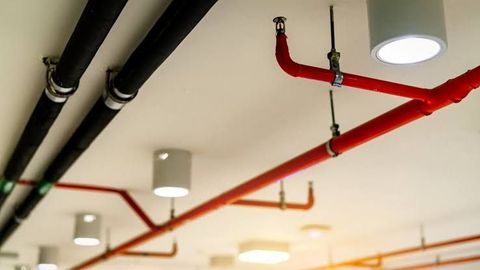
Fire Alarm System Guide: Detection Technology, Building Requirements, and Safety Planning
A fire alarm system is a coordinated life-safety system designed to detect indications of fire and communicate an alarm condition to occupants, building personnel, monitoring facilities, or emergency responders as applicable.
Modern systems can include smoke detectors, heat detectors, manual initiating devices, alarm notification appliances, control panels, emergency communication equipment, monitoring connections, and other components.
The appropriate configuration depends on factors such as building occupancy, size, layout, construction characteristics, hazards, local requirements, and the applicable fire and building codes.
How Fire Alarm Systems Work
A typical fire alarm system has three basic functions: detection, processing, and notification.
Detection devices identify conditions that may indicate a fire. The control unit evaluates incoming signals and determines the appropriate system response. Notification appliances then communicate an alarm or other condition to occupants and designated personnel.
Some systems can also transmit signals to a supervising station or integrate with other building systems.
Common Fire Detection Technologies
Smoke Detection
Smoke detectors are widely used because smoke can be detected before temperatures reach levels associated with some fires.
Common technologies include:
Photoelectric smoke detection
Ionization smoke detection
Aspirating smoke detection
Multi-criteria detection
Addressable intelligent detection
The appropriate detector type depends on the environment and the expected fire characteristics. Areas with dust, steam, cooking activity, or other environmental conditions may require careful detector selection to reduce unwanted alarms.
Heat Detection
Heat detectors respond to temperature conditions rather than smoke.
Common approaches include:
Fixed-temperature detection
Rate-of-rise detection
Combination heat detection
Heat detection may be appropriate in locations where smoke detection is unsuitable because of environmental conditions.
Manual Fire Alarm Initiation
Manual initiating devices, commonly called manual pull stations, allow occupants or personnel to activate an alarm when a fire is observed.
Their placement and accessibility depend on the applicable building and fire-safety requirements.
Alarm Notification Equipment
Detection alone is not enough. Occupants must be able to recognize and respond to an alarm condition.
Notification equipment can include:
Audible alarm appliances
Visual notification appliances
Combination audible and visual devices
Emergency voice communication systems
Text or other approved notification methods in certain environments
Large buildings may require coordinated notification throughout multiple floors, zones, or occupied areas.
Addressable and Conventional Systems
Fire alarm systems are commonly categorized as conventional or addressable.
Conventional systems generally organize initiating devices into zones. The control panel can identify the affected zone, but not necessarily the individual initiating device.
Addressable systems assign individual identification to compatible devices. This can provide more detailed information about the location or condition of an initiating device and can support more sophisticated system monitoring.
The appropriate architecture depends on building requirements, system complexity, applicable codes, and project objectives.
Building Requirements and Code Considerations
Fire alarm requirements are not identical for every building.
Important factors can include:
Occupancy classification
Building size and height
Number of occupants
Sleeping accommodations
Means of egress
Fire protection systems
Hazardous areas
Accessibility requirements
Emergency communication requirements
Local amendments
Existing building conditions
In the United States, the National Fire Alarm and Signaling Code (NFPA 72) is a major reference for fire alarm and signaling systems. Building and fire codes may also establish when particular systems are required.
The International Building Code (IBC) and International Fire Code (IFC) are widely used model codes, but actual requirements depend on the editions adopted and amended by the relevant jurisdiction.
For a specific project, the local authority having jurisdiction (AHJ) determines how adopted requirements are applied.
Fire Alarm System Monitoring
Some buildings use supervising-station monitoring so that alarm, supervisory, or trouble signals can be transmitted to a remote monitoring location.
Monitoring arrangements can vary depending on:
Building occupancy
Local code requirements
Insurance requirements
Fire protection strategy
System configuration
Communication infrastructure
Monitoring does not replace the need for appropriate detection, notification, inspection, testing, and maintenance.
Integration With Other Building Systems
Fire alarm systems can interact with other building equipment when permitted and appropriately designed.
Potential interfaces include:
Automatic sprinkler systems
Smoke-control equipment
Elevator functions
HVAC equipment
Access-controlled doors
Emergency power systems
Fire doors and related equipment
Emergency communication systems
These interfaces must be carefully coordinated because an incorrect signal or configuration can affect life-safety functions.
Inspection, Testing, and Maintenance
A fire alarm system requires ongoing attention after installation.
Inspection and testing activities can involve:
Control panels
Smoke and heat detectors
Manual initiating devices
Notification appliances
Power supplies
Batteries
Monitoring connections
Supervisory devices
System interfaces
NFPA 72 establishes inspection, testing, and maintenance provisions for covered fire alarm and signaling systems. The applicable requirements depend on system type, components, installation, and adopted code requirements.
Records are also important. Documentation can help demonstrate that required testing and corrective actions have been addressed.
Recent U.S. Regulatory and Technology Considerations
Fire alarm requirements continue to evolve as jurisdictions adopt newer editions of model codes and standards.
Current planning should therefore consider the edition adopted by the local jurisdiction, rather than relying only on a national model-code edition.
Technology is also becoming more sophisticated. Addressable systems, improved detection algorithms, remote diagnostics, network connectivity, emergency communications, and integration with building-management technologies can provide more information about system conditions.
However, greater connectivity also increases the importance of system configuration, cybersecurity, access controls, and reliable communications.
Fire Alarm Safety Planning
A strong fire alarm strategy should be considered as part of a broader building safety plan.
Planning can include:
Identifying the building's occupancy and fire hazards.
Determining which detection and notification technologies are appropriate.
Reviewing applicable building and fire codes.
Coordinating alarm interfaces with other life-safety equipment.
Establishing inspection and testing procedures.
Maintaining accurate system documentation.
Training responsible personnel.
Reviewing emergency procedures and occupant communication.
Addressing system changes after renovations or occupancy changes.
The system should be evaluated as the building changes. Renovations, new equipment, altered room layouts, and changes in occupancy can affect fire alarm requirements.
Tools and Resources
Useful resources for fire alarm planning and compliance include:
NFPA 72, National Fire Alarm and Signaling Code
International Building Code
International Fire Code
Local fire department or AHJ requirements
Building permit and fire-protection documentation
Manufacturer installation and maintenance documentation
Fire alarm inspection and testing records
Emergency response and evacuation plans
Because local adoption and amendments differ, the applicable jurisdiction should be confirmed before making compliance decisions.
FAQs
1. What is a fire alarm system?
A fire alarm system is a coordinated life-safety system that detects indications of fire and communicates an alarm or related condition through designated notification and signaling equipment.
2. What is an addressable fire alarm system?
An addressable system can identify individual compatible devices or points, allowing the control panel to provide more specific information about an alarm, supervisory, or trouble condition.
3. Are fire alarm requirements the same for every building?
No. Requirements can vary according to occupancy, building characteristics, hazards, local codes, adopted standards, and jurisdiction-specific amendments.
4. How often should a fire alarm system be tested?
Testing requirements depend on the system and applicable codes and standards. NFPA 72 contains inspection, testing, and maintenance provisions, while the AHJ may establish or enforce additional requirements.
5. Does a fire alarm system need monitoring?
Some buildings require supervising-station monitoring, while others may have different arrangements depending on occupancy, code requirements, fire protection strategy, and jurisdiction. The applicable AHJ should be consulted.
Conclusion
Fire alarm systems combine detection, control, notification, monitoring, and system interfaces to support building life safety.
Choosing the appropriate technology requires more than selecting individual detectors. Building occupancy, physical layout, hazards, notification requirements, emergency procedures, applicable codes, and local requirements all need to be considered.
Regular inspection, testing, maintenance, documentation, and periodic review are also important because buildings and their requirements can change over time.

Related Post...
Commercial HVAC Guide: Heating Systems, Cooling Equipment, and Facility Management
Updated: September 01, 2026
Read More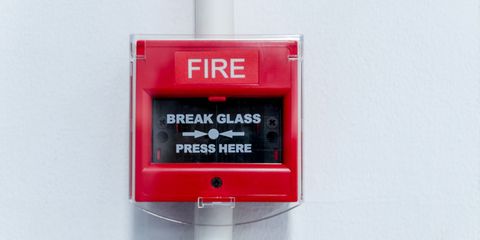
Fire Alarm System Guide: Detection Technology, Building Requirements, and Safety Planning
Updated: September 14, 2026
Read More
Access Control System Guide: Entry Technology, Security Planning, and Facility Management
Updated: September 14, 2026
Read More