Guide to Bankruptcy Law: Chapter 7, Chapter 13, and Debt Relief Information
Bankruptcy is a federal legal process designed to provide relief to individuals and businesses that cannot meet their financial obligations. Depending on the circumstances, bankruptcy can involve liquidation of certain nonexempt assets, a court-approved repayment plan, or other forms of debt restructuring.
For individuals in the United States, Chapter 7 and Chapter 13 are the two most common bankruptcy chapters. Chapter 7 generally involves liquidation, while Chapter 13 allows eligible individuals with regular income to repay debts through a court-approved plan, generally lasting three to five years.
Bankruptcy is governed primarily by the federal Bankruptcy Code, the Federal Rules of Bankruptcy Procedure, and local bankruptcy-court rules. Because bankruptcy can affect property, debts, credit records, and legal rights, the appropriate approach depends on individual circumstances.
Context
People may consider bankruptcy when debt obligations have become difficult or impossible to manage through ordinary repayment. Filing a bankruptcy case creates a formal court process for addressing eligible debts and creditor claims.
Common Bankruptcy Chapters
| Chapter | General Purpose |
| Chapter 7 | Liquidation and potential discharge of qualifying debts |
| Chapter 13 | Repayment plan for individuals with regular income |
| Chapter 11 | Reorganization, commonly used by businesses but available in some individual cases |
| Chapter 12 | Debt adjustment for qualifying family farmers and fishermen |
The appropriate bankruptcy chapter depends on eligibility, income, assets, debts, and other circumstances.
Chapter 7 Bankruptcy
Chapter 7 is commonly called liquidation bankruptcy. A bankruptcy trustee administers the bankruptcy estate and may liquidate nonexempt property, although many individual Chapter 7 cases are classified as no-asset cases because there is little or no nonexempt property available for liquidation.
A Chapter 7 case may result in a discharge of qualifying debts, but certain debts are excluded from discharge under federal law.
Chapter 13 Bankruptcy
Chapter 13 is designed for individuals with regular income who meet applicable eligibility requirements. It allows an eligible debtor to retain property while making payments under a court-approved plan, generally for three to five years.
Chapter 13 can also provide a mechanism for addressing certain mortgage arrears and other secured debts through a repayment plan, subject to bankruptcy and state-law requirements.
Chapter 7 vs. Chapter 13
| Factor | Chapter 7 | Chapter 13 |
| Basic Structure | Liquidation | Repayment plan |
| Typical Individual Case | Faster process | Multi-year plan |
| Income Consideration | Means test may apply | Eligibility and plan requirements apply |
| Property | Nonexempt property may be liquidated | Debtor generally retains property |
| Repayment Period | No repayment plan in the same sense | Usually 3–5 years |
| Discharge | Usually after required process | Generally after plan completion |
These are broad distinctions and do not determine which chapter is appropriate for an individual.
Importance
Bankruptcy law matters because it establishes a formal legal framework for dealing with significant debt problems. A bankruptcy case can affect creditors, property, income, credit reporting, lawsuits, collections, and future financial decisions.
The Automatic Stay
When a bankruptcy case is filed, an automatic stay generally prevents many creditors from continuing collection actions. This can include certain lawsuits, garnishments, and collection communications.
The stay has exceptions, and creditors may sometimes request permission from the bankruptcy court to proceed with particular actions.
Debt Discharge
A bankruptcy discharge releases a debtor from personal liability for certain qualifying debts and generally prohibits creditors from attempting to collect discharged debts. However, liens on property may survive the bankruptcy, and numerous categories of debt are not dischargeable.
Examples of debts that can receive different treatment include:
Certain tax obligations
Child support and other domestic-support obligations
Certain student-loan obligations
Certain government penalties
Certain debts involving fraud
Certain debts arising from willful and malicious conduct
The discharge rules differ between bankruptcy chapters.
Bankruptcy Exemptions
Bankruptcy exemptions determine which property may be protected from liquidation under applicable law.
Potentially relevant property can include:
A primary residence
Vehicle
Household goods
Retirement accounts
Personal belongings
Certain business property
Exemption rules vary, and the applicable federal or state exemption system depends on the circumstances.
Means Testing
A means test is used in certain Chapter 7 consumer cases to evaluate whether the debtor's financial circumstances meet the requirements for Chapter 7 relief. The U.S. Department of Justice explains that disposable income calculated through the means test can affect whether a Chapter 7 case may be dismissed.
Recent Updates
During 2025 and 2026, bankruptcy law and administration continued to involve updated court procedures, electronic filing systems, consumer-credit considerations, and adjustments to income and expense data used in bankruptcy means testing.
Means-Test Data
The U.S. Trustee Program periodically publishes updated Census Bureau and IRS data used in bankruptcy means-testing calculations. These figures can affect eligibility calculations and Chapter 13 plan analysis.
Because these figures change periodically, individuals should use the current data applicable on the filing date.
Digital Bankruptcy Procedures
Bankruptcy courts increasingly use electronic systems for:
Court filings
Case documents
Notices
Docket information
Electronic communications
Public case records
Procedures vary among bankruptcy districts.
Credit Reporting
Bankruptcy can have a significant impact on credit records. The Consumer Financial Protection Bureau explains that bankruptcy information can generally remain on a credit report for up to 10 years, depending on the circumstances.
The CFPB also notes that Chapter 7 bankruptcy generally remains for up to 10 years, while Chapter 13 is generally reported for seven years.
Laws or Policies
Bankruptcy is primarily governed by federal law, although state law can play an important role in areas such as property exemptions and certain underlying debts.
Bankruptcy Code
The federal Bankruptcy Code is contained in Title 11 of the United States Code. Federal bankruptcy rules and individual court rules govern many procedural aspects of a case.
Credit Counseling
Individuals generally must receive credit counseling from an approved agency within the required period before filing bankruptcy, subject to limited exceptions. Chapter 13 eligibility requirements specifically include this counseling requirement.
Financial Management Course
After filing, individual debtors generally must complete an approved financial-management course before receiving a discharge, subject to applicable exceptions.
Filing Requirements
A bankruptcy petition generally requires detailed financial information, which can include:
Assets
Debts
Income
Expenses
Property interests
Financial transactions
Tax information
Creditor information
Accuracy is essential because bankruptcy filings are made under legal procedures and may be reviewed by the trustee and court.
Filing Fees
Federal bankruptcy filing fees apply to Chapter 7 and Chapter 13 cases. As of the current court fee information, the Chapter 7 filing fee is $338, while the Chapter 13 filing fee is $313. Courts can provide information about permitted payment arrangements and applicable fee procedures.
Tools and Resources
Useful bankruptcy resources include:
U.S. Courts Bankruptcy Basics
U.S. Trustee Program resources
Bankruptcy court websites
Official bankruptcy forms
Approved credit-counseling agencies
State exemption information
Credit reports
Financial statements
Debt inventories
Income and expense worksheets
Bankruptcy Preparation Checklist
Individuals considering bankruptcy may organize:
Complete creditor list
Recent account statements
Income records
Tax returns
Bank statements
Property records
Vehicle information
Mortgage documents
Loan agreements
Monthly expenses
Retirement-account information
Recent financial transactions
Complete records can help provide an accurate picture of the financial situation.
Bankruptcy Process Overview
| Stage | General Purpose |
| Financial Review | Identify debts, assets, income, and expenses |
| Credit Counseling | Complete required pre-filing counseling |
| Petition | Begin the bankruptcy case |
| Automatic Stay | Generally pauses many collection actions |
| Trustee Review | Administers the case and reviews required information |
| Creditor Meeting | Allows creditors and the trustee to ask questions |
| Plan or Liquidation | Depends on the bankruptcy chapter |
| Financial Management Course | Required in many individual cases |
| Discharge | Eliminates qualifying personal debt obligations |
Frequently Asked Questions
What is Chapter 7 bankruptcy?
Chapter 7 is a liquidation proceeding in which a trustee administers the bankruptcy estate. Qualifying debts may ultimately be discharged, while applicable exemptions can protect certain property.
What is Chapter 13 bankruptcy?
Chapter 13 allows eligible individuals with regular income to repay debts under a court-approved plan, generally lasting three to five years.
Does bankruptcy eliminate all debt?
No. Bankruptcy does not automatically eliminate every type of debt. Federal law identifies numerous exceptions to discharge, including certain taxes, domestic-support obligations, and some education-related debts.
How long does bankruptcy remain on a credit report?
Bankruptcy information can generally remain on a credit report for up to 10 years. The reporting period can depend on the bankruptcy chapter and applicable credit-reporting rules.
Should someone consult a bankruptcy lawyer?
Bankruptcy involves significant legal and financial consequences. An attorney can evaluate the applicable chapter, exemptions, eligibility requirements, discharge issues, and procedural requirements for a particular situation.
Conclusion
Bankruptcy law provides a federal legal framework for individuals and businesses facing substantial debt problems. Chapter 7, Chapter 13, debt discharge, bankruptcy exemptions, the automatic stay, and repayment plans are important concepts for understanding the process.
During 2025 and 2026, bankruptcy administration continued to incorporate updated means-testing information, digital court procedures, and evolving consumer-credit considerations.
Bankruptcy decisions are highly fact-specific. Income, assets, debts, property exemptions, prior bankruptcy cases, and the nature of individual obligations can all affect eligibility and potential outcomes. Anyone considering bankruptcy should review current information from the appropriate bankruptcy court and consider qualified legal advice before filing.
This article provides general educational information and does not determine bankruptcy eligibility, guarantee debt discharge, or constitute legal advice.

Related Post...

Guide to Personal Loan Options: APR Information, Credit Scores, and Repayment Terms
Updated: August 12, 2026
Read More
Debt Refinancing Guide: Loan Terms, Interest Rates, and Credit Considerations
Updated: August 12, 2026
Read More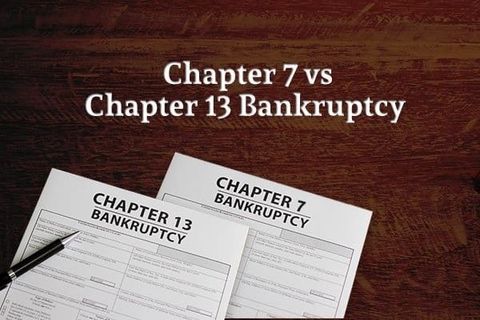
Guide to Bankruptcy Law: Chapter 7, Chapter 13, and Debt Relief Information
Updated: August 12, 2026
Read More