Construction Bond Guide: Surety Requirements, Contract Protection, and Project Planning
Construction bonds are commonly used to provide financial guarantees on public and private construction projects. They can help project owners establish protections related to bidding, contract performance, and payment obligations.
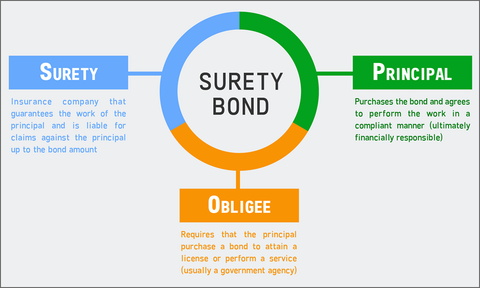
A construction surety arrangement generally involves three parties: the principal, usually the contractor; the obligee, such as the project owner or government entity; and the surety, which guarantees certain obligations of the principal under the bond.
Bond requirements can vary according to the project, contract value, owner, funding source, jurisdiction, and applicable laws. Understanding the relevant bond type and documentation requirements is therefore an important part of construction project planning.
What Is a Construction Bond?
A construction bond is a type of surety bond associated with construction-related obligations.
Unlike traditional insurance, a surety bond generally guarantees that the principal will meet specified obligations to the obligee. If a covered obligation is not fulfilled, the obligee may have rights under the bond according to its terms.
Common construction bonds include:
Bid bonds
Performance bonds
Payment bonds
Maintenance or warranty bonds
Subdivision or site-improvement bonds
The specific protections and procedures depend on the wording of the bond and underlying contract.
Common Types of Construction Bonds
Bid Bonds
A bid bond can provide assurance that a contractor submitting a bid will honor the bid and enter into the required contract if selected, subject to the applicable terms.
Bid bonds are commonly associated with competitive construction procurement.
Performance Bonds
A performance bond generally guarantees specified contractual performance by the contractor.
If the contractor fails to perform according to the covered contract obligations, the obligee may have rights under the bond. The surety's responsibilities depend on the bond language, contract, applicable law, and circumstances of the claim.
Payment Bonds
Payment bonds are designed to provide protection concerning certain payment obligations to parties involved in a construction project.
Depending on the project and applicable law, payment bonds may relate to amounts owed to subcontractors, suppliers, or other eligible parties.
Maintenance or Warranty Bonds
Some projects require bonds relating to maintenance, correction, or warranty obligations after substantial completion.
Requirements vary considerably by contract and jurisdiction, so the applicable bond language should be reviewed carefully.
Federal Construction Bond Requirements
Federal construction projects can involve specific bonding requirements under the Miller Act.
For certain federal public works contracts exceeding the applicable statutory threshold, contractors may be required to provide performance and payment bonds.
The federal contracting framework can also contain specific requirements concerning bond forms, penal amounts, claims, and eligible parties.
Because federal procurement requirements can change and project-specific provisions may apply, contractors should verify the current requirements applicable to the particular contract.
State and Local Construction Bond Requirements
State and local governments can impose their own bonding requirements for public construction projects.
Requirements may differ concerning:
Bond type
Bond amount
Required forms
Filing procedures
Claim procedures
Contractor licensing
Project thresholds
Eligible claimants
Required surety qualifications
A contractor working across multiple states may therefore need to manage different bonding requirements for different projects.
Construction Surety Requirements
Before issuing a bond, a surety generally evaluates the contractor's financial and operational profile.
Common underwriting considerations can include:
Financial strength
Working capital
Credit history
Previous construction experience
Management experience
Current project workload
Existing bonded obligations
Bank relationships
Project profitability
Accounts receivable and payable
Backlog
Claims history
The depth of underwriting can increase as the requested bond amount and project complexity increase.
The Three Cs of Construction Bond Underwriting
Surety underwriting is often described through three broad categories.
Character considers management experience, business history, reputation, and previous performance.
Capacity considers whether the contractor has the personnel, equipment, experience, and organizational resources needed to perform the work.
Capital considers financial strength, liquidity, working capital, and other financial resources.
A contractor seeking a larger bonding program may need to demonstrate sufficient strength across all three areas.
Financial Records for Bond Applications
Financial documentation can be an important part of construction bond underwriting.
Depending on the size and complexity of the request, a surety may review:
Balance sheets
Income statements
Cash-flow information
Accounts receivable
Accounts payable
Work-in-progress schedules
Current backlog
Bank information
Business tax records
Personal financial information of owners when applicable
Consistent financial records can help demonstrate the contractor's ability to manage existing and proposed project obligations.
What Is Bonding Capacity?
Bonding capacity refers broadly to the amount of construction work a surety is willing to support for a contractor.
It can be considered in terms of:
Single-project capacity: the largest individual project the surety may support.
Aggregate capacity: the total amount of bonded work the contractor can carry at a given time.
Capacity can be influenced by financial strength, available working capital, project history, management experience, current backlog, and other underwriting factors.
Contract Protection and Construction Bonds
Construction bonds can address different areas of contractual risk.
For example:
A bid bond can support the bidding process.
A performance bond can address specified performance obligations.
A payment bond can address specified payment obligations.
However, a bond does not automatically guarantee every aspect of a construction project. Coverage depends on the specific bond terms, underlying contract, applicable statutes, and circumstances surrounding a claim.
Construction Project Planning
Bond requirements should be considered before a contractor submits a major bid.
A practical planning process can include:
1. Review the solicitation or contract
Identify the required bond types, amounts, forms, deadlines, and surety qualifications.
2. Evaluate bonding capacity
Determine whether the proposed project fits within the contractor's existing bonding program.
3. Prepare financial information
Maintain current financial statements and project schedules.
4. Review project obligations
Consider contract terms, schedules, payment provisions, completion requirements, and other material obligations.
5. Coordinate with the surety
Provide sufficient project and financial information for underwriting.
6. Confirm bond documentation
Verify that bond forms and execution procedures meet the obligee's requirements.
Factors That Can Affect Bond Approval
Several factors can influence whether a surety supports a particular construction bond.
These may include:
Requested bond amount
Contractor's financial position
Working capital
Credit profile
Project complexity
Contractor experience
Current backlog
Existing bonded projects
Contract terms
Management resources
Previous project performance
A strong financial profile alone may not be sufficient if the contractor lacks the relevant experience or operational capacity for the proposed project.
Common Construction Bond Challenges
Incomplete Financial Information
Outdated or incomplete financial statements can make underwriting more difficult.
Excessive Project Backlog
A contractor may have substantial existing commitments that affect its ability to take on another large project.
Insufficient Working Capital
Large projects can require significant cash-flow management before payments are received.
Unclear Contract Terms
Unusual or highly restrictive contract provisions may require additional underwriting review.
Inadequate Project Experience
A contractor entering an unfamiliar project type or market may receive additional scrutiny.
Construction Bond Claims
If an alleged default or other covered event occurs, the obligee generally needs to follow the procedures established by the bond and applicable law.
Depending on the bond, the process may involve:
Notice of the issue
Documentation of the alleged default
Review of the underlying contract
Investigation by the surety
Communication with the principal
Evaluation of available remedies
Resolution according to the bond terms
Claim procedures can be technical, and the applicable rights and obligations depend on the particular bond and jurisdiction.
Recent Construction Bond Planning Considerations
Contractors operating in multiple markets should pay attention to changing public procurement requirements, state licensing rules, project thresholds, and electronic contracting procedures.
Businesses may also benefit from maintaining a centralized record of:
Active bonds
Bond amounts
Expiration dates
Project information
Obligee requirements
Claims documentation
Contract amendments
Surety correspondence
Keeping this information organized can help reduce administrative gaps during active projects.
Tools and Resources
Useful resources for construction bond planning can include:
Federal Acquisition Regulation: Federal contracting rules provide important information for contractors working on applicable federal projects.
U.S. Small Business Administration: Federal contracting resources can help businesses understand government procurement requirements.
State contractor licensing agencies: State agencies can provide information about licensing and bonding requirements.
Project solicitation documents: The contract or procurement documents should be reviewed for project-specific bond requirements.
Surety underwriting records: Current financial statements, project schedules, and backlog information can support the underwriting process.
Contract professionals: Complex projects may require qualified legal, accounting, construction, or surety professionals.
FAQs
What is the difference between a performance bond and a payment bond?
A performance bond generally addresses specified contractual performance obligations, while a payment bond generally addresses specified payment obligations. The exact protections depend on the bond and applicable law.
Is a construction bond required for every project?
No. Bond requirements depend on the project owner, contract, jurisdiction, funding source, industry, and applicable laws. Public projects may have specific statutory bonding requirements.
What does a surety consider when underwriting a construction bond?
Factors can include financial strength, working capital, credit, experience, current backlog, project complexity, management capability, and existing bonded obligations.
What is construction bonding capacity?
Construction bonding capacity is the level of bonded work a surety is prepared to support for a contractor. It can involve both individual project limits and an aggregate program limit.
Does a construction bond protect the contractor?
A construction bond primarily provides a guarantee to the obligee or other eligible parties under its terms. The contractor remains responsible for fulfilling its contractual obligations and may have reimbursement obligations to the surety following certain claim payments.
Conclusion
Construction bonds can be an important part of public and private project planning. Bid, performance, and payment bonds serve different purposes, while surety underwriting typically considers a contractor's financial strength, experience, capacity, and current obligations.
Contractors can prepare more effectively by reviewing bond requirements early, maintaining organized financial and project records, and confirming applicable federal, state, and local requirements before bidding or entering into a contract.

Related Post...

Commercial Litigation Funding Guide: Case Financing, Legal Costs, and Funding Structures
Updated: September 14, 2026
Read More
Construction Bond Guide: Surety Requirements, Contract Protection, and Project Planning
Updated: September 14, 2026
Read More
Marine Insurance Guide: Vessel Coverage, Shipping Risks, and Policy Planning
Updated: September 14, 2026
Read More