Chronic Pain Management Guide: Treatment Approaches, Therapy Options, and Care Planning
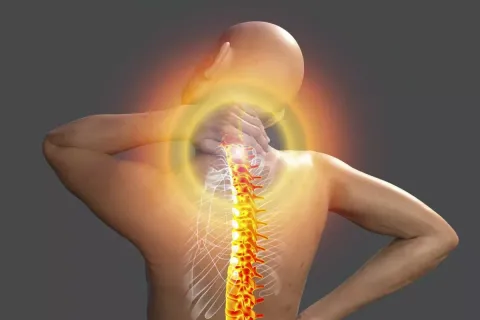
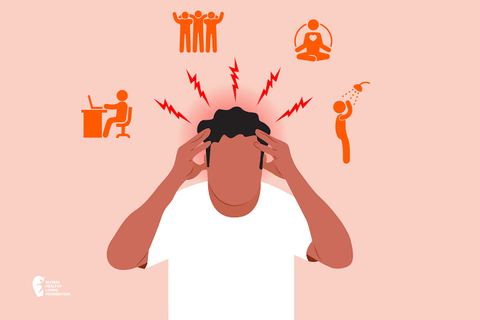
Chronic pain is pain that persists or recurs over an extended period and can affect physical activity, sleep, mood, work, and daily routines. Because chronic pain can have many causes, effective management often involves identifying contributing factors and developing an individualized care plan.
Treatment approaches vary according to the underlying condition, severity, duration, overall health, and personal circumstances.
Understanding Chronic Pain
Chronic pain can be associated with conditions such as:
Arthritis
Back and neck conditions
Nerve-related disorders
Fibromyalgia
Previous injuries
Headache disorders
Musculoskeletal conditions
Certain long-term medical conditions
Pain may be described as aching, burning, stabbing, throbbing, or persistent discomfort.
Chronic Pain Evaluation
A healthcare professional may evaluate:
Pain location
Duration
Severity
Pain patterns
Physical limitations
Medical history
Previous treatments
Medications
Sleep and daily activities
Depending on the symptoms, additional examinations, laboratory tests, or imaging may be considered.
Common Treatment Approaches
Chronic pain management may involve several approaches.
| Approach | General Purpose |
| Physical Therapy | Improves movement, strength, and functional capacity |
| Exercise Therapy | Supports mobility and physical conditioning |
| Medication | May help manage selected types of pain |
| Behavioral Therapies | Can support coping and pain-management skills |
| Interventional Procedures | May be considered for selected conditions |
| Rehabilitation | Supports recovery and daily functioning |
| Lifestyle Measures | Can address factors that influence overall well-being |
A combination of approaches may be recommended depending on the individual situation.
Physical Therapy and Rehabilitation
Physical therapy may be used as part of chronic pain management for selected conditions.
Therapy can focus on:
Strengthening
Flexibility
Mobility
Balance
Posture
Movement patterns
Functional activities
Exercise programs should be appropriately adapted to the individual's condition and physical abilities.
Medication Considerations
Depending on the underlying condition, healthcare professionals may consider different medication categories.
These can include:
Non-opioid pain medicines
Anti-inflammatory medications
Certain medications used for nerve-related pain
Topical treatments
Other condition-specific medications
Medication selection depends on factors such as diagnosis, other medications, medical history, and potential side effects.
Opioid medications may be appropriate in selected circumstances but require careful medical supervision because of risks including dependence, misuse, and overdose.
Non-Medication Approaches
Non-drug approaches may form an important part of long-term pain management.
Options can include:
Physical activity
Structured exercise
Relaxation techniques
Sleep improvement
Behavioral therapy
Mindfulness-based approaches
Heat or cold applications when appropriate
Education about pain and movement
The appropriate combination depends on the underlying condition and individual needs.
Multidisciplinary Pain Care
Some people with persistent or complex pain may benefit from coordinated care involving multiple healthcare professionals.
A multidisciplinary team may include:
Primary-care professionals
Pain specialists
Physical therapists
Psychologists or behavioral-health professionals
Occupational therapists
Other relevant specialists
Collaborative care can address different aspects of chronic pain rather than focusing on symptoms alone.
Developing a Care Plan
A chronic pain care plan may consider:
Underlying diagnosis
Treatment goals
Physical abilities
Daily activities
Medication safety
Sleep
Mental and emotional well-being
Follow-up requirements
Changes in symptoms
Treatment goals may focus on improving function and quality of life rather than eliminating every instance of pain.
Monitoring Progress
Regular follow-up can help evaluate:
Pain patterns
Functional improvement
Treatment effectiveness
Medication effects
Side effects
Mobility
Daily activities
New or changing symptoms
Care plans may be adjusted when treatments are ineffective, poorly tolerated, or no longer appropriate.
When to Seek Medical Attention
New, severe, rapidly worsening, or unexplained pain should be evaluated by a healthcare professional.
Urgent medical evaluation may be appropriate when pain occurs with symptoms such as:
Severe weakness
Loss of consciousness
Significant breathing difficulty
New loss of bladder or bowel control
Major trauma
Sudden neurological changes
Other serious or rapidly developing symptoms
Frequently Asked Questions
What is chronic pain?
Chronic pain is pain that persists or repeatedly occurs over an extended period. It can result from various medical, neurological, or musculoskeletal conditions.
How is chronic pain treated?
Treatment depends on the cause and may include physical therapy, exercise, medication, behavioral approaches, rehabilitation, or selected procedures.
Is physical therapy useful for chronic pain?
Physical therapy can help some people improve strength, mobility, movement, and physical function. Its suitability depends on the underlying condition.
Are medications always necessary?
No. Some chronic pain management plans emphasize exercise, rehabilitation, behavioral approaches, lifestyle measures, or other non-medication strategies. Treatment should be individualized.
Can chronic pain be completely eliminated?
Outcomes vary. Some conditions can be effectively treated, while others may require ongoing management. Healthcare professionals may focus on improving function, reducing symptoms, and supporting quality of life.
Conclusion
Chronic pain management often involves a combination of medical evaluation, rehabilitation, physical activity, therapeutic approaches, and carefully selected treatments. Understanding the underlying cause and establishing realistic care goals can help create a more effective long-term management strategy.
Because chronic pain can have complex causes and treatments can involve significant risks or interactions, individuals should work with qualified healthcare professionals to develop and regularly review an appropriate care plan.
Disclaimer
This article is provided for general educational and informational purposes only and does not constitute medical advice, diagnosis, or treatment. Chronic pain can have many possible causes, and treatment suitability varies by individual. Medication and procedure decisions should be made with qualified healthcare professionals based on a complete evaluation.

Related Post...