Cardiac Rehabilitation Guide: Heart Recovery, Exercise, and Care Planning
Cardiac rehabilitation, often called cardiac rehab, is a medically supervised program designed to help people recover after certain heart conditions, procedures, or cardiovascular events. It combines structured physical activity with education, risk-factor management, nutrition guidance, and emotional or behavioral support.
Cardiac rehabilitation may be considered after a heart attack, coronary artery bypass surgery, angioplasty or stent placement, certain heart valve procedures, stable angina, heart failure, or some types of heart transplantation. The exact eligibility depends on the person's diagnosis and clinical situation.
The purpose is not simply to exercise. A comprehensive program helps people understand cardiovascular risk factors, gradually improve physical capacity, develop healthier routines, and participate more confidently in daily activities.
Why Cardiac Rehabilitation Matters
Recovery after a cardiac event can involve physical limitations, medication changes, emotional stress, and uncertainty about returning to normal activities. A structured rehabilitation program provides a coordinated approach to these issues.
Research and professional guidance associate cardiac rehabilitation with improvements in cardiovascular risk factors, physical capacity, quality of life, and long-term cardiovascular outcomes. The American Heart Association describes cardiac rehab as an important part of recovery and secondary prevention for appropriate patients.
Common goals include:
Improving exercise capacity and stamina
Supporting cardiovascular health
Managing blood pressure and cholesterol
Supporting healthy blood-glucose management
Improving nutrition and weight-management habits
Addressing tobacco use
Managing stress and emotional health
Building confidence with physical activity
Supporting long-term heart disease prevention
Cardiac rehabilitation is generally individualized. A person's age, diagnosis, medications, symptoms, fitness level, previous procedures, and other health conditions can all influence the plan.
Who May Be Eligible?
Cardiac rehabilitation can apply to people with several cardiovascular conditions and treatment histories.
Common indications include:
| Condition or procedure | Why cardiac rehab may be considered |
|---|---|
| Heart attack | Recovery and secondary cardiovascular prevention |
| Coronary artery disease | Exercise and cardiovascular risk-factor management |
| Stable angina | Structured physical activity and risk management |
| Coronary angioplasty or stenting | Recovery and long-term cardiovascular management |
| Coronary artery bypass surgery | Progressive recovery and exercise training |
| Heart valve repair or replacement | Functional recovery and monitored activity |
| Heart failure | Exercise and cardiovascular health management for appropriate patients |
| Heart or heart-lung transplant | Long-term cardiovascular rehabilitation |
| Peripheral artery disease | Physical activity and cardiovascular risk management |
The 2024 AHA/AACVPR scientific statement describes cardiac rehabilitation as appropriate for a broad range of cardiovascular conditions, including recent myocardial infarction, coronary interventions, bypass surgery, valve procedures, transplantation, stable angina, and heart failure.
Eligibility does not mean that everyone with a particular condition follows the same program. Medical assessment is important before beginning structured exercise.
What Happens During Cardiac Rehabilitation?
A comprehensive program usually begins with an assessment. The rehabilitation team reviews the person's medical history, cardiovascular condition, medications, physical capabilities, risk factors, and goals.
The program may then combine several components:
Medical assessment: The team establishes relevant health measurements and identifies factors that may affect exercise or recovery.
Exercise training: Activities are selected and progressed according to the person's cardiovascular condition and physical capacity.
Risk-factor management: Blood pressure, cholesterol, diabetes, tobacco exposure, weight, physical inactivity, and other cardiovascular risk factors may be addressed.
Nutrition guidance: Participants can learn about heart-healthy eating patterns and practical ways to improve dietary habits.
Psychosocial support: Stress, anxiety, depression, motivation, and adjustment after a cardiac event may be addressed.
Education: Participants learn how medications, physical activity, nutrition, sleep, tobacco exposure, and other lifestyle factors relate to cardiovascular health.
The 2024 AHA/AACVPR update identifies patient assessment, nutrition, weight management, cardiovascular risk-factor management, psychosocial management, aerobic exercise, strength training, physical-activity counseling, and program quality as important components.
Cardiac Rehabilitation Exercise
Exercise is one of the central components of cardiac rehabilitation, but the program is not simply a general fitness routine.
The rehabilitation team determines appropriate intensity and progression based on the individual's health status. Some people may undergo an exercise stress test or other assessment before increasing physical activity.
Common forms of activity include:
Walking
Stationary cycling
Treadmill exercise
Other aerobic activities
Light-to-moderate resistance exercises when appropriate
Flexibility and stretching activities
The American Heart Association describes three broad categories of physical activity: aerobic exercise, strength exercises, and stretching.
A typical progression may involve:
Initial assessment
Low-intensity activity
Gradual increases in duration
Gradual increases in intensity when appropriate
Introduction of strength training when medically appropriate
Development of a sustainable long-term physical-activity routine
People should not independently copy another person's cardiac rehabilitation exercise plan. Exercise intensity can vary substantially between individuals.
Monitoring During Exercise
Depending on the program and individual circumstances, cardiac rehabilitation may monitor factors such as:
Heart rate
Blood pressure
Exercise response
Symptoms
Perceived exertion
Heart rhythm or ECG in appropriate settings
Recovery after exercise
The goal of monitoring is to help the rehabilitation team understand how the cardiovascular system responds to activity and adjust the program appropriately.
New or worsening chest discomfort, unusual shortness of breath, dizziness, fainting, palpitations, or other concerning symptoms should be reported according to the individual's medical instructions. Severe or sudden symptoms may require emergency medical attention.
Nutrition and Heart Health
Nutrition is another important part of cardiac rehabilitation.
Rather than focusing on a single food or supplement, cardiac rehabilitation generally emphasizes sustainable dietary patterns and management of cardiovascular risk factors.
Depending on individual needs, nutritional counseling may address:
Saturated and trans fats
Dietary fiber
Sodium intake
Fruits and vegetables
Whole grains
Protein sources
Portion sizes
Blood glucose management
Cholesterol management
Weight management
The 2024 AHA/AACVPR framework specifically includes nutritional counseling and weight management among the core components of cardiac rehabilitation.
Blood Pressure, Cholesterol, and Diabetes
Cardiovascular risk-factor management is an important part of long-term heart health.
A cardiac rehabilitation plan may help participants understand how to monitor and manage:
High blood pressure
High cholesterol
Diabetes or elevated blood glucose
Tobacco exposure
Physical inactivity
Excess body weight
Dietary patterns
Stress
Medication decisions remain individualized. Cardiac rehabilitation education can improve understanding and adherence, but medications should be taken or changed according to instructions from the prescribing healthcare professional.
The American Heart Association identifies high blood pressure, high cholesterol, diabetes, smoking, physical inactivity, and excess weight among risk factors that may need attention during recovery.
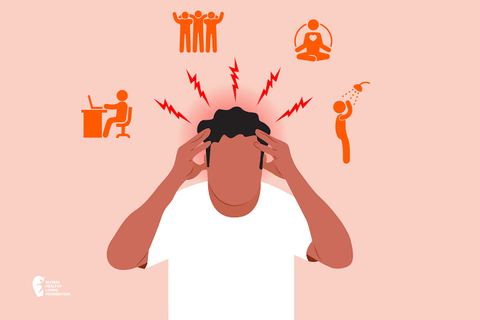
Stress and Emotional Recovery
Cardiac events can affect emotional well-being as well as physical health.
Some people experience anxiety about exercise, fear of another cardiac event, low mood, sleep difficulties, or uncertainty about returning to normal routines.
Cardiac rehabilitation may therefore include psychosocial assessment, stress-management education, counseling, and referral to appropriate mental-health support when needed.
The 2024 AHA/AACVPR update includes psychosocial management as a core component of comprehensive cardiac rehabilitation.
How Long Does Cardiac Rehabilitation Last?
The length of cardiac rehabilitation varies according to the patient's condition, clinical goals, program structure, and healthcare coverage.
In the United States, traditional cardiac rehabilitation programs have commonly involved multiple supervised sessions over several weeks. AHA educational material notes that many programs use approximately 36 sessions over 12 weeks, although schedules can vary.
Medicare's current cardiac rehabilitation policy generally describes up to 36 sessions over a maximum of 36 weeks under the applicable coverage rules.
Completing a formal program does not mean cardiovascular prevention ends. Physical activity, medication adherence, nutrition, risk-factor management, and follow-up care may remain important long-term habits.
In-Person, Home-Based, and Virtual Rehabilitation
Cardiac rehabilitation has traditionally been delivered in hospitals, outpatient centers, or physician-associated settings.
The 2024 AHA/AACVPR update also recognizes alternative delivery approaches, including synchronous virtual sessions, asynchronous remote models, and hybrid programs. Evidence suggests that certain alternative models can provide comparable benefits for appropriately selected low- to moderate-risk patients.
However, remote rehabilitation should still maintain the essential clinical foundation of cardiac rehabilitation. The AHA emphasizes that changes in delivery method should not eliminate medical supervision or the core components of the program.
Cardiac Rehabilitation and Medicare
In the United States, Medicare has national coverage provisions for cardiac rehabilitation for specified qualifying conditions.
CMS lists covered indications that include a documented acute myocardial infarction within the preceding 12 months, coronary bypass surgery, stable angina, certain heart valve procedures, percutaneous coronary intervention or coronary stenting, and heart or heart-lung transplantation.
Coverage requirements and session limits can depend on the applicable Medicare rules and the patient's circumstances. CMS guidance generally identifies a maximum of 36 sessions over a defined period under the standard cardiac rehabilitation benefit.
Insurance rules outside Medicare can differ, so individuals should verify their specific coverage requirements with their health plan and medical team.
Recent Updates in Cardiac Rehabilitation
One of the important recent developments is the 2024 AHA/AACVPR scientific statement on the core components of cardiac rehabilitation.
The update expanded and clarified several areas, including:
Patient assessment
Nutritional counseling
Weight management
Cardiovascular risk-factor management
Psychosocial management
Aerobic exercise
Strength training
Physical-activity counseling
Program quality
Alternative delivery models
The update also emphasizes that cardiac rehabilitation is a medically supervised secondary-prevention program rather than simply an exercise class.
Another important trend is the increasing use of virtual and hybrid rehabilitation models, which may help accommodate people who have difficulty attending every session in person. Appropriate clinical supervision remains essential.
Tools and Resources
People researching cardiac rehabilitation can use reputable medical and government resources for general education.
American Heart Association: Provides educational material about cardiac rehabilitation, physical activity, heart disease, recovery, and cardiovascular risk management.
Centers for Medicare & Medicaid Services: Provides U.S. Medicare coverage information and national policies concerning cardiac rehabilitation programs.
American Association of Cardiovascular and Pulmonary Rehabilitation: Provides professional information concerning cardiac rehabilitation programs and clinical practice.
Useful personal tracking tools may include:
Blood-pressure logs
Medication lists
Exercise records
Symptom diaries
Weight records when clinically appropriate
Questions for follow-up appointments
Nutrition and activity journals
Digital tools should supplement, rather than replace, clinical guidance.
Questions to Ask a Cardiac Rehabilitation Team
Before beginning a program, useful questions may include:
Am I medically ready to participate?
What type of cardiac rehabilitation is appropriate for me?
Do I need an exercise stress test?
Which activities should I avoid initially?
What symptoms should I report during exercise?
How frequently should I attend?
How will my exercise intensity be determined?
When can resistance training begin?
Which cardiovascular risk factors should I focus on?
How should my medications affect physical activity?
Would a home-based or hybrid program be appropriate?
Keeping these questions in a written list can make medical appointments easier to organize.
FAQs
What is cardiac rehabilitation?
Cardiac rehabilitation is a medically supervised program combining exercise training, cardiovascular risk-factor management, education, nutrition guidance, and psychosocial support for people recovering from certain cardiovascular conditions or procedures.
Can cardiac rehabilitation help after a heart attack?
Yes. Cardiac rehabilitation is commonly recommended for appropriate patients following a heart attack and is designed to support physical recovery and reduce cardiovascular risk.
Does cardiac rehabilitation include exercise?
Yes. Exercise training is a fundamental component. Activities may include walking, cycling, treadmill exercise, and appropriately prescribed strength training. Exercise intensity should be individualized.
How many cardiac rehabilitation sessions are typical?
Programs vary, but many traditional programs use approximately 36 sessions. Medicare's standard cardiac rehabilitation benefit generally covers up to 36 sessions under applicable requirements.
Can cardiac rehabilitation be done at home?
Some programs use home-based, virtual, or hybrid approaches. The appropriate model depends on medical risk, available supervision, program structure, and individual circumstances.
Conclusion
Cardiac rehabilitation provides a structured approach to recovery after selected heart conditions, procedures, and cardiovascular events. Its focus extends beyond exercise to include nutrition, cardiovascular risk-factor management, stress and emotional health, education, and long-term physical activity.
Current professional guidance emphasizes individualized assessment, medically supervised exercise, strength training, nutrition, psychosocial management, and ongoing risk-factor control. Virtual and hybrid approaches are also becoming more common while retaining the clinical foundation of cardiac rehabilitation.
For someone recovering from a cardiac event or procedure, the appropriate rehabilitation plan should be developed with the treating healthcare team. Long-term heart health generally involves continuing the healthy habits and medical follow-up established during rehabilitation.

Related Post...