Business Governance Guide: Ownership Rights, Leadership Responsibilities, and Corporate Planning
Business governance refers to the structures, policies, responsibilities, and processes used to direct and oversee an organization. Effective governance helps establish how owners, boards, executives, managers, and other stakeholders participate in important business decisions.
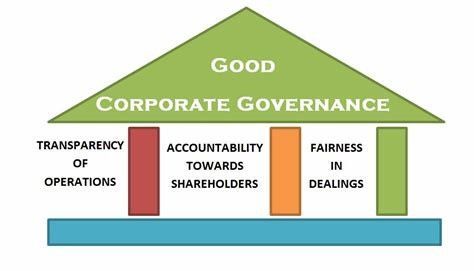
A clear governance framework can support accountability, transparency, risk management, strategic planning, and continuity while helping organizations define ownership and leadership responsibilities.
Understanding Business Governance
A governance framework may address:
Ownership rights
Board responsibilities
Leadership authority
Management responsibilities
Shareholder participation
Decision-making procedures
Risk oversight
Financial accountability
Corporate planning
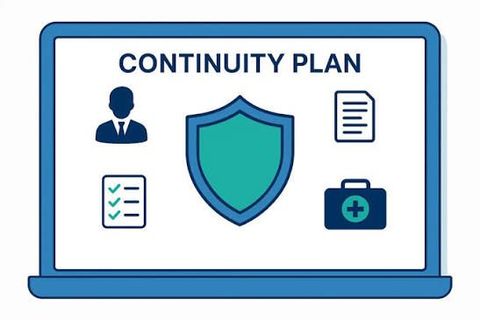
Business continuity
The appropriate governance structure depends on the organization's legal form, ownership, size, industry, and applicable requirements.
Why Business Governance Matters
Clear governance can help organizations:
Define decision-making authority
Clarify ownership rights
Establish leadership responsibilities
Strengthen accountability
Support strategic planning
Improve risk oversight
Reduce potential conflicts
Promote business continuity
Formal governance becomes particularly important when organizations have multiple owners, directors, executives, or stakeholders.
Ownership Rights
Ownership rights depend on the business structure and governing documents.
They may include:
Voting rights
Economic interests
Profit distributions
Access to certain business information
Approval rights
Transfer rights
Rights related to major corporate decisions
Shareholder agreements, operating agreements, partnership agreements, bylaws, and other governing documents may define these rights.
Leadership Responsibilities
Executives and managers are generally responsible for implementing business strategy and managing organizational operations.
Leadership responsibilities may include:
Strategic planning
Financial oversight
Operational management
Risk management
Employee leadership
Regulatory compliance
Performance monitoring
Stakeholder communication
Clearly defining responsibilities can reduce overlapping authority and improve organizational coordination.
Board Responsibilities
A board of directors or equivalent governing body may provide oversight of important organizational matters.
Board responsibilities can include:
Reviewing strategic plans
Monitoring executive performance
Overseeing financial reporting
Evaluating significant risks
Reviewing major organizational decisions
Supporting governance policies
Monitoring compliance
Protecting stakeholder interests where applicable
Specific duties depend on the organization's legal structure and governing framework.
Governance Structure
Organizations may use different governance arrangements.
| Governance Element | General Purpose |
| Board of Directors | Provides oversight and strategic governance |
| Shareholders | Hold ownership interests and applicable rights |
| Executive Leadership | Directs organizational strategy and operations |
| Management | Oversees day-to-day activities |
| Committees | Provide focused oversight of specific areas |
| Governance Policies | Establish procedures and responsibilities |
The structure should reflect the organization's size, complexity, and ownership arrangements.
Corporate Planning
Corporate planning connects governance with the organization's longer-term objectives.
Planning may address:
Business objectives
Financial performance
Capital allocation
Leadership development
Risk management
Growth priorities
Operational requirements
Business continuity
Governance bodies can review plans and monitor progress against established objectives.
Business Decision-Making
A well-defined governance framework can establish who has authority to make different types of decisions.
Decision categories may include:
Routine operational decisions
Financial commitments
Executive appointments
Ownership changes
Major investments
Strategic transactions
Changes to organizational structure
Approval requirements should be documented where appropriate.
Risk Management
Governance and risk management are closely connected.
Organizations may monitor:
Financial risks
Operational risks
Cybersecurity risks
Regulatory risks
Leadership risks
Ownership risks
Business continuity risks
Reputation-related risks
Regular risk reviews can help leadership and governing bodies understand significant threats and potential responses.
Financial Oversight
Financial governance may include:
Budget review
Financial reporting
Internal controls
Account reconciliation
Audit oversight
Expense policies
Asset management
Financial risk monitoring
Accurate financial information supports informed corporate decision-making.
Governance Policies and Documentation
Organizations commonly maintain:
Corporate bylaws
Shareholder agreements
Operating agreements
Board policies
Delegation-of-authority procedures
Conflict-of-interest policies
Risk-management policies
Financial-control procedures
Meeting records
Keeping governance documents organized can support consistent decision-making.
Corporate Planning and Leadership Continuity
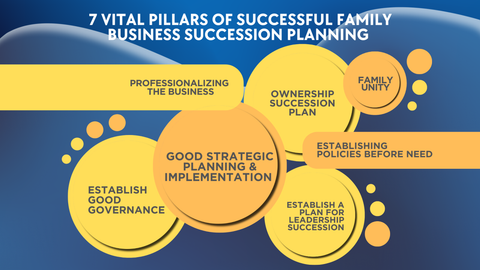
Governance planning can also support leadership succession.
Organizations may:
Identify critical leadership roles
Develop potential successors
Document executive responsibilities
Preserve institutional knowledge
Establish transition procedures
Review emergency succession arrangements
Leadership continuity planning can reduce organizational dependence on individual executives.
Governance Challenges
Organizations may encounter:
Unclear authority
Conflicting ownership interests
Poor documentation
Weak board oversight
Inadequate risk monitoring
Leadership gaps
Communication problems
Inconsistent decision-making
Identifying governance weaknesses early can provide opportunities for improvement.
Business Governance Best Practices
Organizations can strengthen governance by:
Clearly defining ownership rights.
Documenting leadership responsibilities.
Establishing appropriate board oversight.
Maintaining accurate corporate records.
Separating oversight from day-to-day management where appropriate.
Establishing clear approval procedures.
Reviewing significant organizational risks.
Maintaining reliable financial reporting.
Developing leadership-continuity plans.
Reviewing governance policies periodically.
Business Governance Checklist
Document the ownership structure.
Define ownership rights and responsibilities.
Establish leadership responsibilities.
Document board oversight duties.
Create appropriate governance policies.
Define decision-making authority.
Establish financial oversight procedures.
Review organizational risks.
Maintain corporate records.
Review governance arrangements periodically.
Frequently Asked Questions
What is business governance?
Business governance is the framework of structures, policies, responsibilities, and processes used to direct, oversee, and manage an organization.
What are ownership rights?
Ownership rights are the rights associated with holding an ownership interest in a business, which may include voting, economic, information, approval, or transfer rights depending on the organization and governing documents.
What are leadership responsibilities?
Leadership responsibilities generally include directing strategy, managing operations, overseeing performance, managing risks, and ensuring that organizational objectives are pursued appropriately.
What does a board of directors do?
A board generally provides oversight of significant organizational matters, including strategy, executive leadership, financial reporting, risk management, and governance, subject to applicable law and the organization's governing documents.
Why is corporate planning important?
Corporate planning helps organizations establish objectives, evaluate resources and risks, coordinate leadership responsibilities, and monitor progress toward long-term goals.
Conclusion
A structured business governance framework can help organizations clarify ownership rights, leadership responsibilities, board oversight, decision-making authority, financial accountability, and corporate planning. Clear governance procedures can also support risk management and leadership continuity.
Because governance requirements vary according to business structure, jurisdiction, ownership arrangements, and applicable laws, organizations should obtain appropriately qualified professional guidance when establishing or revising a specific governance framework.
Disclaimer
This article is provided for general educational and informational purposes only and does not constitute legal, tax, accounting, investment, or corporate governance advice. Governance requirements vary according to jurisdiction, business structure, governing documents, and individual circumstances. Consult qualified professionals for situation-specific guidance.

Related Post...


Corporate Succession Strategy: Executive Transition, Ownership Planning, and Risk Management
Updated: August 27, 2026
Read More