Family Enterprise Succession Guide: Governance Planning, Leadership Roles, and Ownership
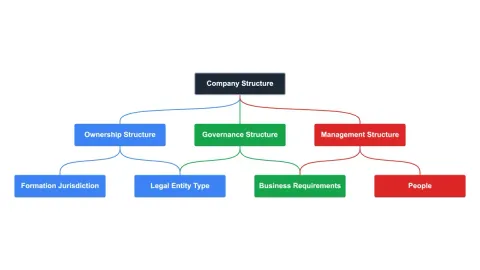
Family enterprise succession is the process of preparing a family-owned organization for future changes in leadership, ownership, management, and governance. Because family relationships and business responsibilities can overlap, a structured succession approach can help clarify roles and support continuity across generations.
Succession planning may apply to small family businesses as well as larger enterprises with multiple owners, executives, and generations involved in the organization.
Understanding Family Enterprise Succession
A family succession strategy may address:
Ownership planning
Leadership succession
Governance
Successor development
Knowledge transfer
Management responsibilities
Business continuity
Risk management
Ownership transitions
Long-term strategic planning
The appropriate approach depends on the business structure, ownership arrangements, family circumstances, industry, and organizational objectives.
Why Succession Planning Matters
Leadership or ownership changes can create uncertainty when responsibilities and decision-making authority have not been established in advance.
A structured plan can help:
Prepare future leaders
Clarify ownership responsibilities
Preserve institutional knowledge
Establish governance procedures
Reduce potential conflicts
Support business continuity
Identify transition risks
Create a framework for generational change
Starting the process early provides additional time for successor development and organizational preparation.
Family Enterprise Governance
Governance establishes how important business decisions are made and how family, ownership, and management responsibilities interact.
Possible governance structures include:
Board of directors
Family council
Advisory board
Shareholder meetings
Management committees
Family constitution
Shareholder agreements
Governance arrangements can help define voting procedures, leadership responsibilities, reporting relationships, and decision-making authority.
Leadership Roles
Family enterprises may involve several overlapping roles.
An individual may be:
Family member
Shareholder
Board member
Executive
Manager
Employee
Clearly defining these roles can help distinguish personal family relationships from formal business responsibilities.
Leadership Succession
Leadership succession focuses on preparing future executives and managers.
Potential successors may be evaluated based on:
Leadership experience
Industry knowledge
Strategic thinking
Financial understanding
Operational experience
Communication skills
Decision-making ability
Governance awareness
Successors may come from the family or from existing management and other qualified professionals.
Successor Development
Future leaders can develop their capabilities through:
Mentoring
Cross-functional experience
Management responsibilities
Strategic planning participation
Financial education
Operational assignments
Board exposure
Stakeholder communication
Development plans can be adjusted according to the organization's future leadership requirements.
Ownership Planning
Ownership planning addresses how business interests may be retained, transferred, or reorganized.
Ownership interests may include:
Corporate shares
LLC membership interests
Partnership interests
Family ownership interests
Management interests
Estate-related interests
Planning can clarify ownership percentages, voting rights, economic interests, transfer restrictions, and future control arrangements.
Business Valuation
Valuation may become relevant when ownership interests are transferred between family members or reorganized.
Factors commonly considered include:
Revenue
Earnings
Cash flow
Assets
Liabilities
Debt
Intellectual property
Customer relationships
Market conditions
Business risks
Income-based, market-based, and asset-based approaches may be considered depending on the purpose and characteristics of the valuation.
Knowledge Transfer
Experienced family members may hold important knowledge about customers, suppliers, operations, financial decisions, and organizational history.
Knowledge-transfer planning can include:
Documenting critical procedures
Recording important relationships
Maintaining operational manuals
Organizing financial information
Documenting technology systems
Identifying key suppliers
Preserving historical business information
Reducing dependence on one individual can strengthen long-term continuity.
Business Continuity
Succession planning should consider how the enterprise will continue operating during leadership or ownership changes.
Critical areas may include:
Employees
Customers
Suppliers
Financial systems
Technology
Contracts
Intellectual property
Licenses
Business records
Operating procedures
Clear continuity procedures can help reduce disruption during a transition.
Managing Succession Risks
Family enterprises may face several transition-related risks.
| Risk Area | General Consideration |
| Leadership Risk | Limited preparation of future leaders |
| Ownership Risk | Disagreements regarding equity or control |
| Governance Risk | Unclear decision-making authority |
| Family Risk | Personal relationships affecting business decisions |
| Financial Risk | Unclear ownership-related financial obligations |
| Knowledge Risk | Loss of institutional knowledge |
| Operational Risk | Dependence on key individuals |
| Continuity Risk | Inadequate transition procedures |
Identifying these risks early can provide more time to develop appropriate planning measures.
Family Enterprise Succession Process
A structured succession strategy can generally follow several stages.
Assessment: Review current ownership, leadership roles, governance arrangements, and business risks.
Planning: Establish succession objectives and define future ownership and leadership requirements.
Development: Prepare potential successors through education, mentoring, and practical management experience.
Preparation: Document important processes, review governance arrangements, and organize corporate records.
Transition: Implement leadership or ownership changes according to the established plan.
Stabilization: Monitor operations and clarify responsibilities under the new structure.
Review: Update the succession strategy as family and business circumstances evolve.
Best Practices
Family enterprises can strengthen succession planning by:
Defining family and business roles clearly.
Developing potential successors early.
Establishing formal governance procedures.
Documenting ownership arrangements.
Preserving institutional knowledge.
Maintaining accurate financial and corporate records.
Reviewing transition risks regularly.
Establishing business continuity procedures.
Communicating responsibilities clearly.
Updating succession plans periodically.
Succession Planning Checklist
Review the current ownership structure.
Define family and business roles.
Establish governance responsibilities.
Identify potential successors.
Develop future leadership capabilities.
Review ownership-transfer considerations.
Evaluate business valuation requirements.
Document critical business knowledge.
Identify succession risks.
Establish business continuity procedures.
Frequently Asked Questions
What is family enterprise succession?
Family enterprise succession is the process of preparing for future changes in family business leadership, ownership, management, or governance.
Does the next generation have to manage the business?
No. Family members may retain ownership while professional executives or managers oversee daily operations.
Why is governance important?
Governance establishes formal decision-making procedures and helps clarify the responsibilities of family members, owners, boards, and management.
Can ownership and leadership succession happen separately?
Yes. Ownership can transfer while existing management remains in place, or leadership can change while ownership remains unchanged.
Why is successor development important?
Developing potential successors provides them with relevant knowledge, experience, and decision-making capabilities before they assume future responsibilities.
Conclusion
A structured family enterprise succession strategy can help organizations manage governance planning, leadership roles, ownership arrangements, successor development, and business continuity. Early preparation can clarify responsibilities and preserve important business knowledge during generational or organizational transitions.
Because family enterprise succession may involve legal, tax, accounting, valuation, estate, and governance considerations, organizations should obtain appropriately qualified professional guidance when developing or implementing a specific succession strategy.
Disclaimer
This article is provided for general educational and informational purposes only and does not constitute legal, tax, accounting, valuation, estate-planning, investment, or financial advice. Succession requirements vary according to jurisdiction, business structure, ownership arrangements, and individual circumstances. Consult qualified professionals for situation-specific guidance.

Related Post...
Corporate Cash Flow Guide: Financial Statements, Liquidity Analysis, and Business Planning
Updated: August 31, 2026
Read More
Business Partnership Transition Guide: Ownership Changes, Agreements, and Continuity Planning
Updated: August 31, 2026
Read More