Board Governance Guide: Director Duties, Meeting Records, and Corporate Planning
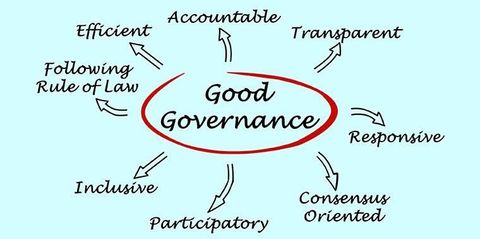
Board governance is the framework through which a company's board of directors oversees corporate affairs, management, risk, strategy, and accountability.
The board generally provides oversight rather than managing the company's daily operations. Its responsibilities can include reviewing major strategic decisions, monitoring financial performance, overseeing risk, evaluating management, and maintaining appropriate corporate governance practices.
The exact responsibilities of directors depend on the company's legal structure, jurisdiction, governing documents, securities status, and applicable laws.
For example, Delaware corporate law provides that the business and affairs of a corporation are managed by or under the direction of its board of directors. Delaware law also addresses board action without meetings, participation through communications technology, and reliance on corporate records and qualified information.
Why Board Governance Matters
Effective board governance creates a structured process for making and documenting important corporate decisions.
A governance framework can help establish:
Clear director responsibilities
Defined board and management roles
Regular meeting procedures
Accurate meeting records
Committee responsibilities
Conflict-of-interest processes
Risk oversight
Financial oversight
Strategic planning
Compliance monitoring
Shareholder communication
Corporate accountability
Board governance also creates a formal record of significant decisions and the information considered by directors.
Director Duties and Responsibilities
Director responsibilities vary by jurisdiction and company structure, but several areas commonly receive board attention.
Strategic oversight
Directors may review long-term objectives, major investments, acquisitions, capital allocation, organizational priorities, and significant business risks.
Financial oversight
Boards commonly review financial performance, budgets, forecasts, financial reporting, internal controls, and significant financial decisions.
Risk oversight
Risk oversight can cover areas such as cybersecurity, regulatory compliance, financial risk, operational disruption, insurance, technology, and reputational exposure.
Recent corporate governance materials filed with the SEC show boards addressing strategic initiatives, risk management, compliance, cybersecurity, and emerging technologies such as artificial intelligence as part of their oversight responsibilities.
Management oversight
The board typically oversees senior leadership rather than handling routine operational decisions. Depending on the company's governance structure, this can include CEO evaluation, succession planning, executive compensation, and management accountability.
Corporate compliance
Directors may monitor whether the organization has appropriate processes for legal, regulatory, financial, and ethical compliance.
Directors may also rely in good faith on corporate records and information from officers, employees, committees, and qualified advisers when the applicable legal requirements are satisfied. Delaware law expressly addresses this type of reliance.
Board Meetings and Meeting Procedures
Regular board meetings provide a formal setting for directors to review information, discuss significant matters, ask questions, and make decisions.
A well-organized meeting process commonly includes:
Meeting notice
Agenda preparation
Distribution of board materials
Review by directors
Discussion and questions
Conflicts-of-interest disclosures
Voting or other decision procedures
Recording of decisions
Follow-up assignments
Approval and retention of minutes
Board materials should generally give directors enough information and time to prepare for significant matters. Public-company governance materials commonly describe advance distribution of meeting information and expectations that directors review the materials before meetings.
Board Meeting Records and Minutes
Board minutes are an important component of corporate records.
Minutes commonly document:
Date and location of the meeting
Directors present
Directors absent
Meeting quorum
Matters considered
Committee reports
Significant resolutions
Voting results
Conflicts or recusals where appropriate
Actions approved
Follow-up matters
Minutes should accurately reflect the formal actions and decisions of the board without attempting to create a verbatim transcript of every discussion.
Corporate records may be maintained electronically where applicable. Delaware law expressly permits certain corporate records, including minute books, to be maintained through electronic storage systems if the statutory requirements are satisfied.
Board Committees
Many organizations use committees to provide more focused oversight.
Common board committees include:
Audit committee
Compensation committee
Nominating and governance committee
Risk committee
Finance committee
Technology or cybersecurity committee
Special transaction committee
Committee responsibilities should be defined through applicable governing documents and committee charters.
For public companies, committee structures can also be affected by securities laws and stock-exchange requirements.
Corporate Planning and Board Oversight
Corporate planning connects board oversight with the organization's longer-term objectives.
A board may review:
Corporate strategy
Revenue and operating assumptions
Capital allocation
Expansion plans
Major transactions
Technology investments
Workforce planning
Risk scenarios
Financial forecasts
Succession planning
Regulatory developments
A useful planning cycle can follow:
Assess → Plan → Review → Approve → Monitor → Adjust
The board does not necessarily create every operational plan. Instead, management generally develops detailed plans while directors evaluate whether the plans are consistent with the company's objectives, risk profile, available resources, and governance responsibilities.
Board Governance and Risk Management
Risk oversight is increasingly connected to technology and information security.
Boards may receive reports covering:
Cybersecurity incidents
Data protection
Business continuity
Artificial intelligence governance
Financial risks
Regulatory exposure
Operational resilience
Third-party risks
Major litigation matters
Insurance coverage
The appropriate level of board involvement depends on the organization's size, industry, risk profile, and legal structure.
Corporate Records and Governance Documentation
A well-maintained governance system can include several categories of records:
| Record | Typical Purpose |
|---|---|
| Articles or certificate of incorporation | Establishes the corporate entity |
| Bylaws | Defines internal governance rules |
| Board minutes | Records board proceedings and decisions |
| Written consents | Documents actions taken without a meeting where permitted |
| Committee charters | Defines committee responsibilities |
| Board resolutions | Records formal approvals |
| Conflict disclosures | Documents relevant director interests |
| Governance policies | Establishes internal governance practices |
| Board evaluations | Supports governance review |
| Strategic plans | Documents corporate priorities |
Delaware law specifically includes board and committee minutes and records of board action among corporate books and records addressed by its inspection statute.
U.S. Legal and Governance Considerations
Corporate governance requirements vary significantly by state and company type.
For Delaware corporations, Section 141 of the Delaware General Corporation Law establishes the board's role in managing or directing corporate affairs. Section 142 addresses officers and includes a requirement that an officer record proceedings of stockholder and director meetings.
Public companies also operate within a broader securities-law environment. Their governance practices can be reflected in proxy materials, annual reports, committee disclosures, stock-exchange requirements, and other filings.
Private corporations may have different requirements depending on state law, governing documents, financing arrangements, and investor agreements.
Organizations should therefore distinguish between general governance principles and requirements that specifically apply to their entity and jurisdiction.
Recent Governance Developments
Corporate boards are increasingly addressing technology-related risks alongside traditional financial and operational oversight.
Recent public-company governance disclosures show attention to areas such as cybersecurity, artificial intelligence, compliance, risk management, board independence, and strategic oversight.
Board portals and electronic governance systems are also increasingly used to distribute meeting materials, maintain board information, and support communication between directors and management.
These developments make information governance an increasingly relevant part of board planning, particularly for organizations handling sensitive corporate, financial, customer, or employee information.
Board Governance Planning Checklist
Organizations can periodically review the following areas:
Are director responsibilities clearly documented?
Are board and management roles appropriately separated?
Are meeting schedules established?
Are agendas prepared in advance?
Do directors receive relevant materials before meetings?
Are conflicts of interest identified and documented?
Are board minutes maintained accurately?
Are committee responsibilities clearly defined?
Are major risks regularly reviewed?
Is corporate strategy periodically reassessed?
Are succession plans reviewed where appropriate?
Are governance records securely retained?
Are applicable legal and regulatory requirements monitored?
Tools and Resources
Useful resources for board governance research include:
Delaware General Corporation Law — corporate statutes covering directors, officers, records, and governance matters.
U.S. Securities and Exchange Commission — public-company disclosures, proxy materials, and securities-law information.
Corporate bylaws and committee charters
Board meeting calendars and agenda systems
Board portals and secure document repositories
Corporate records-management systems
Risk-management frameworks
Internal-control documentation
Strategic planning materials
Frequently Asked Questions
What is board governance?
Board governance is the framework used to define how a company's board oversees corporate affairs, management, strategy, risk, accountability, and major decisions.
What are common responsibilities of directors?
Common areas include strategic oversight, financial oversight, risk management, senior-management oversight, compliance monitoring, and review of major corporate decisions.
What should board meeting minutes include?
Minutes generally record the meeting date, participants, quorum, matters considered, formal resolutions, voting results, and other significant actions. The exact requirements depend on applicable law and company governance documents.
Can board meetings be held electronically?
In some jurisdictions and under applicable corporate documents, directors may participate electronically. Delaware law, for example, permits participation through conference telephone or other communications equipment when the statutory conditions are met.
Why are corporate records important for governance?
Corporate records provide evidence of formal decisions, governance procedures, approvals, and other organizational actions. Their format, retention, and accessibility can be governed by applicable law and company policies.
Conclusion
Board governance provides a structured framework for director oversight, corporate decision-making, meeting procedures, records, risk management, and strategic planning.
A practical governance program connects director responsibilities with well-organized meetings, accurate records, clearly defined committees, risk oversight, and regular corporate planning. Requirements differ by jurisdiction and company structure, so governance practices should be aligned with applicable law, governing documents, securities requirements, and organizational circumstances.

Related Post...
Business License Compliance Guide: Permits, Regulatory Records, and Renewal Planning
Updated: September 16, 2026
Read More
LLC Operating Agreement Guide: Ownership Rules, Member Duties, and Business Planning
Updated: September 16, 2026
Read More
Business Continuity Testing Guide: Recovery Exercises, Risk Reviews, and Operations
Updated: September 16, 2026
Read More