Aircraft Insurance Guide: Aviation Coverage, Liability Risks, and Policy Information
Aircraft insurance is designed to address financial risks associated with owning, operating, or using an aircraft. Depending on the policy, coverage may relate to physical damage to the aircraft, liability arising from an accident, passenger-related risks, or specialized aviation exposures.
The appropriate policy structure can differ significantly between a private aircraft, flight school aircraft, charter operation, corporate aircraft, helicopter, or commercial air carrier. Aircraft value, pilot qualifications, operating territory, aircraft type, usage, maintenance history, and passenger activity can all influence underwriting.
In the United States, aviation insurance also operates alongside FAA registration, airworthiness, pilot-certification, and operating requirements. An FAA airworthiness certificate authorizes an aircraft for flight when applicable requirements are satisfied.
Why Aircraft Insurance Matters
Aircraft accidents can create several types of financial exposure at the same time.
Important areas include:
Damage to the aircraft
Third-party bodily injury
Passenger injury claims
Property damage
Ground incidents
Hangar and airport risks
Emergency recovery and aircraft transportation
Legal and claims-related expenses
Specialized aviation liability exposures
For commercial operators, insurance documentation can also be connected with federal operating requirements. For example, U.S. direct air carriers operating interstate or foreign air transportation must file evidence of aircraft accident liability insurance meeting applicable Part 205 requirements.
Major Types of Aircraft Insurance
Aircraft insurance can contain several coverage components. The exact combination depends on the aircraft and its intended operation.
Hull Insurance
Hull insurance generally addresses physical damage to the aircraft itself.
Potential covered events may include:
Accidental damage
Ground damage
Collision
Weather-related damage
Fire
Certain theft-related events
Other risks identified in the policy
The insured aircraft value is an important policy consideration. Owners should keep valuation information current because aircraft values can change with age, equipment, modifications, market conditions, and maintenance history.
Aircraft Liability Insurance
Liability coverage addresses certain claims arising from the operation or possession of an aircraft.
Depending on policy wording, this may include:
Third-party bodily injury
Third-party property damage
Passenger liability
Airport-related liability
Premises-related aviation exposures
Liability limits should be evaluated according to the aircraft's use, passenger activity, operating environment, contractual requirements, and applicable regulations.
Passenger Liability Coverage
Passenger liability is particularly relevant when an aircraft carries people other than the pilot.
Commercial passenger operations can have additional regulatory and underwriting considerations. U.S. air carriers subject to Part 205 have specific aircraft accident liability insurance filing requirements.
Ground Risk Coverage
Aircraft can be damaged while parked, taxiing, stored, maintained, or moved on the ground.
Ground exposures may include:
Hangar incidents
Taxiing accidents
Vehicle impact
Severe weather
Fire
Equipment-related damage
Airport-area incidents
Policy wording determines which situations are covered and which exclusions apply.
Common Aviation Risks
Aircraft insurance planning starts with understanding the risks associated with the aircraft's actual operation.
Pilot-Related Risk
Insurers may review pilot qualifications, total flight experience, aircraft-specific experience, instrument ratings, recurrent training, and recent flight activity.
Pilot requirements can also depend on the operation. FAA rules specify different certification and medical requirements for different types of pilots and operations.
Weather Risk
Thunderstorms, turbulence, icing, wind, hail, lightning, and other weather conditions can contribute to aircraft incidents.
Operational planning and weather procedures therefore remain important alongside insurance planning.
Mechanical and Maintenance Risk
Aircraft depend on continuing maintenance, inspections, records, and compliance with applicable airworthiness requirements.
The FAA states that a standard airworthiness certificate remains valid while the aircraft conforms to its approved type design and applicable maintenance and operational requirements are satisfied.
Airport and Ground Operations
Aircraft may face risks while:
Parked on an airport
Taxiing
Being moved between locations
Entering or leaving a hangar
Refueling
Undergoing maintenance
Operating around airport vehicles and equipment
Commercial Aircraft Insurance
Commercial aviation can involve more complex insurance structures than private aircraft ownership.
Examples include:
Charter aircraft
Air taxi operations
Corporate aircraft
Flight training aircraft
Cargo aircraft
Agricultural aircraft
Helicopter operations
Aircraft management arrangements
Commercial air carriers
Commercial operations may also involve contractual insurance requirements from airports, lenders, aircraft owners, customers, or other parties.
For Part 135 operators, FAA certification requirements include evidence of aircraft accident liability insurance where applicable.
Aircraft Insurance and FAA Requirements
Insurance does not replace FAA compliance.
Aircraft owners and operators may need to consider several separate regulatory areas.
Aircraft Registration
FAA registration requirements determine whether an aircraft is eligible for U.S. registration and establish the aircraft's registration record. The FAA currently identifies ownership and eligibility requirements and requires an aircraft registration application and supporting ownership documentation.
Airworthiness
An aircraft generally needs an appropriate airworthiness certificate to operate. The FAA recognizes Standard and Special Airworthiness Certificates, with eligibility and operating conditions depending on the aircraft.
Pilot Credentials
Pilot certificates, ratings, medical requirements, and operating limitations depend on the type of flight.
For example, FAA BasicMed allows eligible private pilots to operate qualifying aircraft under specified conditions, including aircraft with no more than 12,500 pounds maximum certificated takeoff weight and no more than six passengers.
Recent Aviation Insurance and Regulatory Updates
FAA Aviation Insurance Program
The FAA maintains an Aviation Insurance Program that can address certain aviation insurance requirements that are not adequately met by the commercial market.
The program includes specific authority for certain war-risk insurance situations. The FAA states that its current statutory authority for no-premium insurance under 49 U.S.C. §44305 extends through September 30, 2028.
Commercial aviation insurance remains the primary framework for many conventional aviation risks.
Current Airworthiness Resources
The FAA updated its airworthiness certification information in April 2026, including current application procedures and resources for Standard and Special Airworthiness Certificates.
Aircraft Insurance Policy Planning
A policy should be evaluated against the aircraft's actual use rather than simply its stated value.
Important considerations include:
Aircraft make and model
Aircraft value
Pilot qualifications
Number of approved pilots
Intended use
Operating territory
Passenger activity
Airport locations
Hangar arrangements
Maintenance practices
Aircraft modifications
Deductibles
Liability limits
Policy exclusions
Additional insured requirements
Lienholder requirements
Claims procedures
Aircraft Valuation
Aircraft valuation can be particularly important when determining hull coverage.
Relevant information may include:
Current market information
Aircraft age
Total flight hours
Engine hours
Avionics
Interior configuration
Maintenance history
Recent upgrades
Aircraft condition
Comparable aircraft
Owners should review insured values periodically rather than assuming an older policy value remains appropriate.
Policy Exclusions and Conditions
Aviation policies can contain detailed exclusions and conditions.
Potential areas requiring careful review include:
Unapproved pilots
Unauthorized aircraft use
Geographic limitations
Racing or competitive flying
Certain experimental operations
War risks
Nuclear risks
Wear and deterioration
Mechanical breakdown
Intentional acts
Maintenance-related conditions
The actual wording of the policy controls. A general description of aircraft insurance cannot determine whether a particular incident is covered.
Aircraft Insurance Claims
When an aviation incident occurs, prompt documentation can be important.
A basic claims process may involve:
Protecting people and the aircraft from additional hazards.
Notifying the appropriate authorities when required.
Contacting the insurer according to policy requirements.
Preserving photographs, records, maintenance documents, and other relevant evidence.
Recording the incident circumstances.
Coordinating aircraft inspection or recovery.
Providing requested documentation to the claims team.
Federal regulations require aircraft operators to notify the NTSB immediately of aviation accidents and certain incidents. Operators may also have responsibilities concerning preservation of wreckage and records.
Aircraft Insurance for Different Aircraft
Insurance considerations vary across aircraft categories.
| Aircraft Type | Important Insurance Considerations |
|---|---|
| Private aircraft | Hull value, pilot qualifications, liability limits |
| Corporate aircraft | Passenger exposure, business use, approved pilots |
| Charter aircraft | Commercial operations, liability, regulatory requirements |
| Helicopters | Specialized operations, pilot experience, equipment |
| Flight school aircraft | Student pilots, instructor requirements, training activity |
| Cargo aircraft | Cargo exposure, commercial operations, liability |
| Experimental aircraft | Aircraft category, operating limitations, pilot experience |
| Agricultural aircraft | Specialized operations, equipment and operational exposure |
Tools and Resources
Useful resources for aircraft owners and operators include:
FAA Aircraft Registration: Registration requirements, ownership documentation, and aircraft records.
FAA Airworthiness Certification: Current information on Standard and Special Airworthiness Certificates.
FAA Pilot Resources: Pilot certification, medical, training, and operating information.
NTSB Aviation Accident Reporting: Accident and incident reporting requirements.
Aircraft and Engine Records: Maintenance records, inspection history, modifications, and airworthiness documentation.
Insurance Policy Documents: Coverage limits, exclusions, conditions, endorsements, and reporting procedures.
Aircraft Insurance Planning Checklist
Before reviewing an aviation policy, consider:
Aircraft registration status
Current airworthiness documentation
Aircraft valuation
Approved pilot list
Pilot qualifications and recent experience
Intended aircraft use
Operating territory
Passenger activity
Liability limits
Hull coverage
Deductible structure
Major exclusions
War-risk provisions
Airport or lender requirements
Claims notification procedures
Current maintenance documentation
FAQs
What does aircraft insurance generally cover?
Depending on the policy, aircraft insurance may address physical damage to the aircraft, third-party liability, passenger liability, and other aviation-related risks. Coverage depends on the policy wording and selected limits.
Is aircraft insurance required for every aircraft owner in the United States?
Requirements can depend on the type of operation and applicable regulations. Certain commercial air carriers have federal aircraft accident liability insurance requirements, while private aircraft may be governed primarily by contractual, airport, lender, or other requirements.
What is aircraft hull insurance?
Aircraft hull insurance generally addresses physical damage to the aircraft itself, subject to policy terms, exclusions, limits, and deductibles.
Does aircraft insurance cover pilot errors?
Some policies may provide coverage for accidents involving approved pilots, but pilot qualifications, policy conditions, exclusions, and other circumstances can affect coverage.
Why is aircraft valuation important?
The aircraft's insured value can influence the structure of hull coverage and claims treatment. Accurate valuation can therefore be an important part of aviation policy planning.
Conclusion
Aircraft insurance combines physical aircraft protection, aviation liability planning, regulatory considerations, and risk assessment. The appropriate structure depends on factors such as aircraft type, value, pilot qualifications, intended use, passenger activity, operating territory, and applicable contractual or regulatory requirements.
For U.S. aircraft owners and operators, insurance planning should be considered alongside FAA registration, airworthiness, pilot requirements, maintenance records, and NTSB reporting obligations. Current FAA and NTSB requirements should be reviewed whenever an aircraft's ownership, operation, or mission changes.

Related Post...
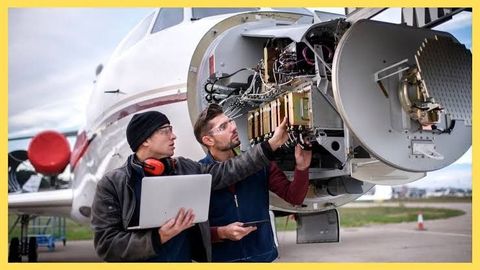
Aircraft Insurance Guide: Aviation Coverage, Liability Risks, and Policy Information
Updated: September 14, 2026
Read More
Mortgage Protection Guide: Coverage Types, Eligibility, and Financial Planning
Updated: September 08, 2026
Read More
Long-Term Care Planning Guide: Senior Support, Care Options, and Financial Planning
Updated: September 08, 2026
Read More