Specialty Pharmacy Guide: Medication Distribution, Patient Support, and Care Coordination
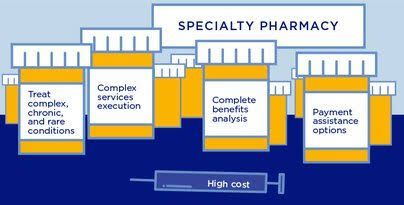
Specialty pharmacy focuses on medications that may require specialized handling, monitoring, administration, or coordination. These medications are often used for complex or chronic conditions and may involve additional clinical, financial, insurance, and logistical considerations.
Specialty pharmacy activities can involve medication fulfillment, patient education, adherence support, benefits investigation, prior authorization coordination, refill management, monitoring, and communication with healthcare professionals.
Unlike conventional prescription dispensing, specialty medication management may involve multiple participants, including prescribers, pharmacies, insurers, manufacturers, patients, caregivers, and clinical teams.
What Is Specialty Pharmacy?
Specialty pharmacy is a specialized area of medication management designed around therapies that may have complex requirements.
Specialty medications can include certain therapies for:
Cancer
Autoimmune conditions
Multiple sclerosis
Rare diseases
HIV
Hemophilia
Transplant-related conditions
Inflammatory disorders
Certain neurological conditions
Complex infectious diseases
The definition and classification of a specialty medication can vary among insurers, pharmacy benefit organizations, and healthcare organizations.
Some specialty medications require refrigeration, special handling, laboratory monitoring, injection training, or ongoing clinical follow-up.
How Specialty Pharmacy Works
The specialty medication process can involve several stages.
Prescription and clinical review
A healthcare professional determines whether a medication is appropriate for the patient's condition. The prescription and relevant clinical information may then be reviewed according to applicable pharmacy and payer requirements.
Benefits investigation
The pharmacy or another authorized organization may review insurance information to determine coverage requirements, patient responsibility, and applicable utilization rules.
Prior authorization
Some specialty medications require prior authorization before coverage is approved. Documentation may include diagnosis information, previous therapy history, laboratory results, or other clinical criteria established by the payer.
Medication fulfillment
Once applicable requirements are addressed, the medication can be prepared and distributed according to prescription and handling requirements.
Patient education
Patients may receive information about administration, storage, dosing schedules, precautions, monitoring, and adherence.
Ongoing coordination
Specialty pharmacy teams may coordinate with prescribers, caregivers, insurers, laboratories, and other healthcare participants throughout treatment.
Specialty Medication Distribution
Specialty medications can have specific distribution and handling requirements.
Some products may require:
Temperature-controlled transportation
Refrigerated storage
Special packaging
Controlled inventory procedures
Delivery scheduling
Shipment tracking
Patient confirmation
Administration coordination
Special handling precautions
Temperature-sensitive products require appropriate storage and transportation controls. Requirements vary according to the individual medication and manufacturer instructions.
Some therapies may also be distributed through restricted or limited distribution arrangements in which only certain pharmacies or healthcare organizations can dispense the medication.
Patient Support and Care Coordination
Patient support can be an important part of specialty medication management.
Depending on the medication and program, support activities may include:
Medication education
Refill reminders
Adherence discussions
Injection or administration education
Side-effect communication
Appointment coordination
Laboratory-monitoring reminders
Insurance documentation support
Communication with the prescribing team
The purpose is to help patients understand how their prescribed therapy is intended to be used and how different parts of their care may connect.
These activities do not replace clinical decision-making by the patient's healthcare professional.
Prior Authorization and Insurance Coordination
Insurance requirements can create additional steps for specialty medications.
A payer may require prior authorization, step-therapy documentation, quantity limits, specialty-pharmacy restrictions, or other utilization controls.
The process can involve:
Prescription submission
Benefits verification
Identification of coverage requirements
Collection of supporting clinical documentation
Submission to the payer
Payer review
Authorization or additional information request
Medication fulfillment after applicable requirements are satisfied
Coverage policies differ by health plan and medication. Patients should review their specific plan documents and discuss coverage questions with their insurer or healthcare team.
Medication Adherence and Monitoring
Adherence means taking medication according to the prescribed treatment plan.
Specialty therapies may have complicated dosing schedules, administration methods, monitoring requirements, or potential adverse effects. These factors can make consistent medication use challenging.
Specialty pharmacy teams may support adherence through:
Refill coordination
Medication education
Follow-up communication
Administration reminders
Identification of barriers
Communication with the healthcare team
Clinical monitoring can also involve laboratory tests, symptom assessment, medication reviews, or other evaluations depending on the therapy.
Patients should not change medication dosage, frequency, or treatment duration without appropriate clinical guidance.
Specialty Pharmacy Technology
Technology plays an increasingly important role in specialty medication management.
Systems may support:
Prescription management
Benefits verification
Prior authorization workflows
Patient communication
Refill tracking
Inventory management
Shipment tracking
Clinical documentation
Adherence monitoring
Reporting and analytics
Electronic systems may also help coordinate information among pharmacies, healthcare organizations, insurers, and other authorized participants.
Because specialty pharmacy involves sensitive health information, organizations must use appropriate privacy and security controls.
Specialty Pharmacy and Patient Privacy
Patient information handled by pharmacies and healthcare organizations can include protected health information.
In the United States, the Health Insurance Portability and Accountability Act (HIPAA) establishes federal privacy and security requirements for covered entities and certain business associates.
Organizations handling patient information should consider:
Access controls
Authentication
Secure communication
Data retention
Audit logging
Workforce training
Incident response
Vendor oversight
Applicable requirements depend on the organization, activity, and information involved.
Specialty Pharmacy Accreditation and Quality
Organizations involved in specialty pharmacy may use formal quality programs and accreditation frameworks.
Accreditation organizations can evaluate areas such as:
Patient management
Medication safety
Clinical processes
Quality improvement
Data management
Staff qualifications
Patient communication
Operational controls
Accreditation is distinct from federal or state licensure requirements. Organizations must still comply with applicable pharmacy laws, professional requirements, payer rules, and other regulatory obligations.
Recent Developments
Specialty pharmacy continues to evolve as complex therapies become more widely used.
Important developments include:
Increasing use of biologic and specialty therapies
Expansion of home-based medication administration
Greater use of electronic prior-authorization systems
More integrated pharmacy and healthcare data systems
Expanded medication adherence monitoring
Increased attention to cold-chain logistics
Growth of digital patient-support tools
Greater focus on specialty medication affordability and coverage navigation
Increased emphasis on privacy and cybersecurity
The growth of complex therapies has also increased the importance of coordination among prescribing professionals, pharmacies, insurers, laboratories, and patients.
Tools and Resources
Useful U.S. resources include:
FDA — medication labeling, safety information, approvals, and regulatory resources
Centers for Medicare & Medicaid Services (CMS) — Medicare and Medicaid coverage information
Health Resources and Services Administration (HRSA) — healthcare and pharmacy-related federal resources
U.S. Department of Health & Human Services (HHS) — HIPAA privacy and security information
State Boards of Pharmacy — state-specific pharmacy requirements
Pharmacy accreditation organizations — quality and specialty-pharmacy standards
Health insurers and pharmacy benefit organizations — medication coverage and utilization requirements
Patients should rely on their prescribing healthcare professional, pharmacist, insurer, and official medication information when making treatment-related decisions.
FAQs
1. What is specialty pharmacy?
Specialty pharmacy is an area of pharmacy focused on medications that may involve complex conditions, specialized handling, monitoring, administration, or coordination.
2. Why do some specialty medications require prior authorization?
Health plans may use prior authorization to determine whether a medication meets specific coverage criteria. Requirements vary according to the insurer, medication, diagnosis, and plan.
3. Are specialty medications always delivered to a patient's home?
No. Distribution arrangements vary. Some medications may be delivered to a patient's home, while others may be dispensed through a designated pharmacy or healthcare setting.
4. What support can specialty pharmacies provide?
Depending on the medication and organization, support may include medication education, refill coordination, adherence discussions, benefits navigation, shipment coordination, and communication with the healthcare team.
5. Does specialty pharmacy replace a healthcare professional?
No. Specialty pharmacy support complements clinical care. Medication selection, treatment changes, diagnosis, and other clinical decisions should be made with qualified healthcare professionals.
Conclusion
Specialty pharmacy combines medication distribution with additional coordination for therapies that may involve complex clinical, handling, insurance, or monitoring requirements.
Effective specialty medication management can involve pharmacies, healthcare professionals, insurers, patients, caregivers, laboratories, and technology systems working together. Understanding how these components connect can help patients and healthcare organizations navigate the administrative and operational aspects of specialty medication use.

Related Post...
Specialty Pharmacy Guide: Medication Distribution, Patient Support, and Care Coordination
Updated: September 15, 2026
Read More
Healthcare Credentialing Guide: Provider Verification, Compliance, and Practice Administration
Updated: September 11, 2026
Read More
Medical Device Compliance Guide: Regulatory Documentation, Quality Systems, and Planning
Updated: September 15, 2026
Read More
