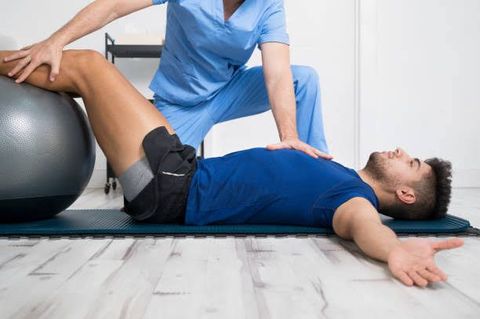
Rehabilitation Center Guide: Recovery Programs, Therapy, and Care Planning
A rehabilitation center provides structured care intended to help people regain, maintain, or improve physical, cognitive, communication, or daily-living abilities after an illness, injury, surgery, or other medical condition.
Rehabilitation can take place in different settings, including hospitals, inpatient rehabilitation facilities, outpatient centers, skilled nursing facilities, and sometimes the home. The appropriate setting depends on a person's medical condition, functional abilities, treatment needs, and ability to participate in therapy.
Rehabilitation is usually goal-oriented. A multidisciplinary team evaluates the person's needs and develops a treatment plan that may include physical therapy, occupational therapy, speech-language therapy, rehabilitation nursing, medical supervision, and other forms of support.
Why Rehabilitation Matters
Illness, injury, surgery, neurological conditions, and other health problems can affect strength, balance, mobility, communication, swallowing, memory, or the ability to perform everyday activities.
Rehabilitation may focus on helping a person:
Improve mobility and physical function
Regain strength and endurance
Develop safer movement techniques
Improve balance and coordination
Perform everyday activities more independently
Address communication or swallowing difficulties
Adapt to physical limitations
Use assistive equipment
Prepare for a transition back home or to another care setting
The goals and expected progress vary considerably from person to person.
Common Types of Rehabilitation
Rehabilitation programs can address different aspects of functioning.
Physical Therapy: Focuses on movement, strength, balance, endurance, walking, transfers, and physical function.
Occupational Therapy: Helps people improve skills needed for everyday activities such as dressing, bathing, preparing meals, and using adaptive equipment.
Speech-Language Therapy: Can address communication, language, cognition, speech, and swallowing difficulties.
Cognitive Rehabilitation: May address memory, attention, planning, problem-solving, and other cognitive abilities following certain neurological conditions.
Recreational Therapy: Uses structured activities to support physical, emotional, cognitive, and social functioning.
Vocational Rehabilitation: May help individuals develop or regain abilities related to education or workplace participation.
Types of Rehabilitation Centers and Settings
The term "rehabilitation center" can describe several different healthcare environments.
Inpatient Rehabilitation Facilities: These are hospital-based rehabilitation settings that provide intensive inpatient rehabilitation under medical supervision. CMS describes IRFs as freestanding rehabilitation hospitals or rehabilitation units within acute-care hospitals.
Outpatient Rehabilitation Centers: Patients attend scheduled therapy sessions without staying overnight.
Comprehensive Outpatient Rehabilitation Facilities: CMS defines CORFs as facilities providing coordinated outpatient diagnostic, therapeutic, and restorative rehabilitation services at a fixed location.
Skilled Nursing Facilities: These facilities can provide rehabilitation alongside nursing and other healthcare support, particularly when a person needs continued medical or nursing care after hospitalization.
Home-Based Rehabilitation: Some rehabilitation services may be provided at home when clinically appropriate and available through the relevant care arrangement.
Inpatient Rehabilitation vs. Skilled Nursing Rehabilitation
These settings can appear similar but generally serve different levels and types of need.
An inpatient rehabilitation facility is designed for patients who require intensive rehabilitation and an interdisciplinary approach, along with appropriate medical and nursing supervision.
A skilled nursing facility can provide nursing care and rehabilitation but may serve individuals with different levels of medical and functional needs.
For Medicare-covered IRF care, CMS generally requires documentation showing that the patient needs active and ongoing therapy involving multiple disciplines, with physical or occupational therapy among the required disciplines. The patient must also generally be able to participate in an intensive rehabilitation program.
Common Reasons for Rehabilitation
Rehabilitation may be recommended after or during recovery from conditions such as:
Stroke
Brain injury
Spinal cord injury
Major orthopedic surgery
Joint replacement
Fractures
Neurological disorders
Amputation
Serious injuries
Certain chronic conditions
Severe burns
Conditions affecting mobility or daily functioning
The appropriate rehabilitation approach depends on the diagnosis, medical stability, functional limitations, and individualized treatment goals.
Rehabilitation Assessment
A rehabilitation program generally begins with an evaluation of the individual's current abilities and limitations.
The assessment may examine:
Strength
Balance
Walking ability
Range of motion
Coordination
Pain and physical tolerance
Daily activities
Communication
Cognition
Swallowing
Ability to use assistive equipment
Home environment
Safety concerns
The rehabilitation team can use this information to establish measurable goals and determine which therapies are appropriate.
Rehabilitation Care Team
Rehabilitation is often delivered by multiple healthcare professionals.
Depending on the setting and individual's needs, the team may include:
Rehabilitation physicians
Physical therapists
Occupational therapists
Speech-language pathologists
Rehabilitation nurses
Social workers
Case managers
Psychologists
Dietitians
Recreational therapists
Prosthetists and orthotists
CMS describes an interdisciplinary approach for inpatient rehabilitation, with rehabilitation physicians, nurses, social workers or case managers, and therapists participating as appropriate to the patient's treatment.
Creating a Rehabilitation Care Plan
A care plan should connect the individual's current abilities with practical recovery goals.
A rehabilitation plan may identify:
Current Function: What the person can safely do at the beginning of rehabilitation.
Limitations: Areas requiring additional support or therapy.
Goals: Specific functional improvements the team is working toward.
Therapy Schedule: The type, frequency, and duration of rehabilitation activities.
Equipment: Assistive devices or adaptive equipment that may be appropriate.
Home Requirements: Potential changes needed to support a safe transition home.
Follow-Up: Medical appointments, continued therapy, and reassessment requirements.
For Medicare-covered outpatient rehabilitation through a CORF, CMS requires a treatment plan specifying the type, amount, frequency, and duration of services along with the diagnosis and expected rehabilitation goals.
Assistive Equipment and Accessibility
Rehabilitation may involve learning how to use equipment that supports mobility or daily activities.
Examples include:
Walkers
Canes
Crutches
Wheelchairs
Transfer equipment
Orthotic devices
Prosthetic devices
Bathroom safety equipment
Adaptive utensils
Communication devices
A therapist or other qualified professional can help determine whether a particular device is appropriate and provide instruction on its use.
Preparing for a Return Home
Discharge planning is an important part of rehabilitation.
Before returning home, the rehabilitation team may evaluate:
Ability to get in and out of bed
Bathroom access
Stair navigation
Walking or wheelchair mobility
Medication routines
Meal preparation
Personal-care activities
Caregiver availability
Home accessibility
Need for continued therapy
Home modifications may sometimes be recommended, such as improved lighting, bathroom safety equipment, handrails, or changes to reduce fall hazards.
Family and Caregiver Participation
Family members and caregivers can play an important role in rehabilitation planning.
They may need information about:
Safe transfers
Mobility equipment
Home exercises
Communication strategies
Medication routines
Follow-up appointments
Warning signs requiring medical attention
Home safety
Ongoing therapy
Caregiver responsibilities should be discussed realistically. Rehabilitation planning should consider whether the available support is sufficient for the person's actual needs.
Measuring Rehabilitation Progress
Progress can be evaluated through functional changes rather than simply the number of therapy sessions completed.
Examples of measurable outcomes may include:
Walking a specific distance
Performing transfers more safely
Completing personal-care activities
Improving balance
Increasing strength or endurance
Communicating more effectively
Improving swallowing safety
Using adaptive equipment correctly
Progress may not always be linear. Recovery can vary depending on the underlying condition, medical complications, age, previous function, motivation, and other individual factors.
Choosing a Rehabilitation Center
Families comparing facilities should evaluate more than location and appearance.
Important considerations include:
Type of rehabilitation provided
Medical supervision
Therapy disciplines available
Staff qualifications
Facility accreditation or certification
Therapy schedule
Equipment
Accessibility
Patient safety procedures
Communication with families
Discharge planning
Follow-up arrangements
Insurance network participation
Facility-specific admission requirements
For Medicare-certified facilities, families can review relevant information through Medicare and CMS resources.
Questions to Ask a Rehabilitation Facility
Care Questions
What rehabilitation programs are available?
Which therapy disciplines are provided?
How is each patient's treatment plan developed?
How frequently are goals reassessed?
Staffing Questions
Who participates in the rehabilitation team?
What qualifications do therapists have?
Is medical supervision available?
How are changes in a patient's condition handled?
Facility Questions
Is the facility inpatient or outpatient?
What equipment is available?
Are rooms and therapy areas accessible?
How are emergencies handled?
Discharge Questions
How is discharge readiness determined?
Will caregivers receive training?
Is home safety evaluated?
Is follow-up therapy coordinated?
Laws, Regulations, and Medicare Considerations
Rehabilitation facilities are subject to different regulatory requirements depending on the type of facility and applicable federal and state rules.
CMS establishes certification and payment requirements for Medicare and Medicaid participating rehabilitation facilities. Inpatient rehabilitation facilities must meet specific federal requirements to participate in the Medicare program.
Medicare coverage depends on the setting, medical necessity, eligibility requirements, and specific circumstances. Families should confirm coverage directly with Medicare, their Medicare Advantage plan, or the relevant insurer before assuming that a particular rehabilitation program is covered.
For IRFs, CMS maintains specific requirements concerning medical necessity, therapy intensity, documentation, patient assessments, and interdisciplinary care.
Recent Rehabilitation Updates
CMS has continued updating inpatient rehabilitation policies and assessment requirements.
For FY 2027, CMS issued an Inpatient Rehabilitation Facility Prospective Payment System final rule with payment-policy and rate updates effective October 1, 2026.
CMS also published IRF-PAI Version 4.4, effective October 1, 2026. The IRF-PAI is used to collect and report assessment information for rehabilitation patients.
These changes primarily affect rehabilitation providers and payment or reporting systems, but they demonstrate the continuing evolution of rehabilitation-facility standards and documentation requirements.
Tools and Resources
Useful resources for rehabilitation planning include:
Medicare.gov for Medicare coverage information
CMS resources for inpatient and outpatient rehabilitation facilities
MedlinePlus rehabilitation information
State healthcare licensing agencies
Facility accreditation information
Rehabilitation physician resources
Physical therapy and occupational therapy professional organizations
Speech-language pathology resources
Hospital discharge-planning materials
Insurance plan documentation
MedlinePlus provides general rehabilitation information and explains the roles of different rehabilitation professionals and therapy types.
FAQs
What is a rehabilitation center?
A rehabilitation center is a healthcare setting that provides structured therapy and support to help people regain, maintain, or improve functional abilities after illness, injury, surgery, or other medical conditions.
What is the difference between inpatient and outpatient rehabilitation?
Inpatient rehabilitation involves staying at a rehabilitation facility while receiving treatment. Outpatient rehabilitation involves attending scheduled therapy sessions without an overnight stay.
What therapies are commonly provided?
Common therapies include physical therapy, occupational therapy, and speech-language therapy. Depending on the individual's needs, rehabilitation may also include cognitive, recreational, nutritional, psychological, or vocational support.
How long does rehabilitation take?
There is no universal rehabilitation timeline. Duration depends on the person's diagnosis, functional limitations, medical condition, goals, progress, and type of rehabilitation setting.
Does Medicare cover rehabilitation?
Medicare may cover certain rehabilitation services when eligibility and coverage requirements are met. Coverage differs according to the setting and circumstances, so current Medicare or insurance requirements should be verified before treatment.
Conclusion
Rehabilitation centers provide structured programs designed to help people improve functional abilities following illness, injury, surgery, or other conditions. Programs can include physical therapy, occupational therapy, speech-language therapy, cognitive rehabilitation, assistive equipment training, and coordinated care planning.
The appropriate rehabilitation setting depends on medical needs, functional limitations, therapy requirements, safety considerations, and the person's ability to participate in treatment. Inpatient rehabilitation, outpatient rehabilitation, skilled nursing rehabilitation, and home-based therapy each serve different purposes.
A well-developed rehabilitation plan should include measurable goals, appropriate therapy, medical oversight when required, family or caregiver education, equipment considerations, and a realistic discharge plan. Professional assessment is important when determining the most appropriate rehabilitation setting and treatment approach.

Related Post...
Back Pain Treatment Guide: Therapy Option, Pain Management, Specialist Care, and Recovery Planning
Updated: October 08, 2026
Read More