Recruitment Process Management Guide: Candidate Workflows, Screening, and HR Planning
Recruitment process management is the structured coordination of activities used to identify, evaluate, and move candidates through an organization's workforce planning process.
A well-organized process can connect workforce needs with candidate sourcing, application review, screening, interviews, assessments, selection, documentation, and onboarding preparation. It can also help HR teams maintain consistent records and create clearer handoffs between recruiters, managers, and other decision-makers.
Modern recruitment workflows often use applicant tracking systems, scheduling tools, digital assessments, background-screening platforms, communication tools, and HR information systems. The specific technology mix depends on the organization's size, industry, workforce structure, and regulatory requirements.
Why Recruitment Process Management Matters
Recruitment involves multiple stages and participants. Without a defined workflow, applications can be reviewed inconsistently, interview feedback can become difficult to compare, and important candidate records may be scattered across different systems.
A structured process can help organizations:
Define workforce requirements before opening a position
Standardize candidate screening criteria
Track applications through defined stages
Coordinate interviews and assessments
Maintain recruitment documentation
Apply consistent evaluation standards
Manage background-screening steps
Improve communication between HR and managers
Monitor recruitment metrics
Prepare selected candidates for onboarding
The goal is not simply to move candidates through a pipeline. It is to create a repeatable process that supports consistent decision-making and appropriate compliance controls.
Core Stages of a Recruitment Workflow
1. Workforce planning
The process generally begins by identifying the business need, responsibilities, qualifications, reporting structure, and expected employment arrangement.
HR teams may also determine whether the position is intended for an employee or an independent contractor. Worker classification can have important implications under federal wage-and-hour rules.
2. Position definition
A clear position description can establish essential responsibilities, required qualifications, experience, skills, and other legitimate selection criteria.
Selection criteria should relate to the actual requirements of the position rather than characteristics unrelated to an individual's ability to perform the work.
3. Candidate sourcing
Organizations may use career websites, professional networks, employee referrals, recruiting platforms, talent databases, or other channels to reach potential candidates.
The sourcing approach should align with the workforce profile and applicable organizational policies.
4. Application collection
Applications and resumes can be collected through an applicant tracking system or another centralized process.
A standardized application workflow can help HR teams record candidate information consistently and identify where applicants are within the process.
5. Initial screening
Screening may involve reviewing qualifications, work history, education, skills, certifications, and other position-related criteria.
Screening criteria should be established before reviewing candidates when practical. This can help reduce inconsistent decision-making.
6. Interviews and assessments
Candidates who meet initial criteria may proceed to interviews, technical assessments, structured questionnaires, or other evaluations.
Using consistent questions and evaluation criteria can make candidate comparisons more systematic.
7. Background screening
Depending on the position and applicable requirements, an organization may conduct background checks after obtaining the appropriate authorization and disclosures.
When a third-party background-reporting company is used, federal Fair Credit Reporting Act requirements apply. The FTC states that employers generally must provide written notice and obtain written permission before obtaining a consumer report for employment purposes.
8. Selection and documentation
After evaluation, decision-makers can document the selection rationale and retain appropriate recruitment records according to applicable policies and legal requirements.
9. Pre-employment and onboarding preparation
Once a candidate is selected, HR may coordinate required documentation, eligibility verification, policy acknowledgments, system access, orientation planning, and other onboarding activities.
Candidate Screening and Evaluation
Effective screening begins with clearly defined criteria.
Common evaluation categories can include:
Required qualifications
Relevant experience
Technical knowledge
Communication capabilities
Certifications or licenses
Position-specific skills
Availability or scheduling requirements
Work authorization where legally relevant
Assessment results
Recruitment teams should distinguish between required qualifications and preferred qualifications. This can help managers understand why candidates advance or do not advance.
Structured interviews can also improve consistency by asking candidates comparable questions and evaluating responses against predetermined criteria.
Background Checks and Compliance
Background screening can involve criminal records, employment history, education, driving records, credit information, or other information depending on the position and applicable law.
Federal rules are especially important when a third-party company supplies a consumer report. The FTC states that employers must follow FCRA procedures before obtaining such reports and additional procedures when employment decisions are based on report information.
For an adverse decision based on a consumer report, the employer generally must provide the applicant with a copy of the report and a Summary of Rights before taking the adverse action, followed by required information after the decision.
State and local rules may impose additional requirements concerning criminal-record or credit-history inquiries, timing, notices, and permissible use of information.
Recruitment and Equal Employment Opportunity
Recruitment systems should be designed to support equal employment opportunity.
The EEOC states that employers cannot use background checks or other selection practices in a way that unlawfully discriminates against applicants based on protected characteristics.
Pre-employment questions should generally focus on information needed to determine whether a candidate is qualified. The EEOC specifically notes restrictions involving disability-related and genetic information during the pre-employment process.
For this reason, recruitment workflows should include standardized questions, documented evaluation criteria, appropriate access controls, and review procedures for potentially discriminatory practices.
Recruitment Technology
Recruitment technology can connect multiple workflow stages.
Common categories include:
Applicant tracking systems
These systems organize candidate profiles, applications, workflow stages, communications, interview records, and recruitment reporting.
Scheduling platforms
Interview scheduling tools can coordinate calendars, reminders, candidate communications, and interviewer availability.
Assessment systems
Digital assessments can evaluate position-specific skills, knowledge, or other predetermined criteria.
Background-screening platforms
These systems can facilitate authorization, report ordering, status tracking, and documentation when legally appropriate.
HR information systems
HR systems can connect selected-candidate information with onboarding, employee records, workforce planning, and related HR processes.
Analytics and reporting
Recruitment dashboards can track metrics such as application volume, screening progression, interview activity, candidate withdrawals, time between workflow stages, and source performance.
Recruitment Metrics and Planning
Recruitment metrics can help HR teams identify workflow bottlenecks and planning gaps.
Useful measures may include:
Applicants by position
Screening progression rate
Interview progression rate
Candidate withdrawal rate
Time spent in each workflow stage
Offer acceptance rate
Source performance
Assessment completion rate
Background-check completion time
New-hire retention indicators
Metrics should be interpreted carefully. A high application volume does not necessarily indicate an effective recruitment process, and a short time-to-selection does not automatically indicate better candidate quality.
Recent U.S. Developments
Federal employment classification guidance is an important consideration when workforce planning involves contractors.
On February 26, 2026, the U.S. Department of Labor announced a proposed rule that would revise its approach to distinguishing employees from independent contractors under the FLSA, FMLA, and MSPA. The proposal would replace the 2024 rule with a streamlined economic-reality analysis involving five proposed factors, including control, opportunity for profit or loss, skill, permanence, and whether the work is part of an integrated production unit.
Because this is a proposed rule, organizations should verify the current status before relying on it for workforce classification decisions.
U.S. Laws and Policies to Consider
Recruitment process planning may involve several areas of federal and state regulation.
Fair Credit Reporting Act
The FCRA establishes requirements for employers using consumer reports for employment decisions, including disclosure, authorization, and adverse-action procedures.
Equal employment opportunity laws
Federal employment laws prohibit discrimination based on protected characteristics. Recruitment and screening practices should therefore use legitimate, position-related criteria and consistent procedures.
Worker classification rules
Organizations using independent contractors should monitor applicable federal and state classification requirements. The Department of Labor's 2026 proposal illustrates that these rules can change over time.
State and local requirements
Cities and states may impose additional rules involving background checks, salary-history questions, privacy, automated decision-making, record retention, and other recruitment practices. HR teams should verify requirements applicable to each hiring location.
Tools and Resources
Useful U.S. resources include:
Federal Trade Commission: guidance on employment background checks and consumer reports
Equal Employment Opportunity Commission: information about employment discrimination and background screening
U.S. Department of Labor: wage-and-hour and worker-classification guidance
State labor agencies: state-specific employment requirements
Applicant tracking systems: workflow and candidate-record management
HR information systems: workforce and onboarding records
Interview and scheduling tools: coordination and communication
Recruitment analytics platforms: workflow and pipeline reporting
FAQs
1. What is recruitment process management?
Recruitment process management is the structured organization of activities used to plan workforce needs, evaluate candidates, coordinate interviews, complete screening, document decisions, and prepare selected candidates for onboarding.
2. What should a candidate screening workflow include?
A typical workflow can include qualification review, application screening, structured interviews, assessments where relevant, background screening when appropriate, selection documentation, and onboarding preparation.
3. Are background checks regulated in the United States?
Yes. When employers obtain consumer reports from third-party background-reporting companies, federal FCRA requirements apply. State and local rules may also impose additional requirements.
4. How can recruitment workflows support fair candidate evaluation?
Organizations can use predetermined, position-related criteria, consistent interview questions, structured assessments, documented decisions, and periodic review of screening practices.
5. Why should HR teams monitor recruitment metrics?
Metrics can reveal workflow bottlenecks, candidate drop-off, sourcing patterns, screening delays, and other operational issues that may affect workforce planning.
Conclusion
Recruitment process management connects workforce planning with candidate evaluation, screening, interviews, selection, documentation, and onboarding preparation.
A well-designed workflow can make recruitment more consistent and easier to monitor while supporting appropriate compliance controls. Organizations should regularly review screening practices, background-check procedures, worker-classification rules, data handling, and state or local requirements as regulations and workforce needs evolve.

Related Post...

Business Valuation Software Guide: Valuation Models, Financial Analysis, and Planning
Updated: September 15, 2026
Read More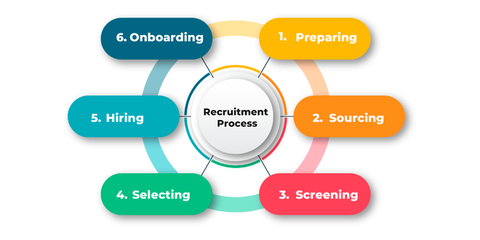
Recruitment Process Management Guide: Candidate Workflows, Screening, and HR Planning
Updated: September 15, 2026
Read More
Management Consulting Guide: Business Strategy, Operational Improvement, and Planning
Updated: September 15, 2026
Read More