Orthopedic Care Guide: Joint Conditions, Treatment Options, and Rehabilitation
Orthopedic care focuses on conditions affecting the musculoskeletal system, including bones, joints, muscles, ligaments, tendons, cartilage, and related structures.
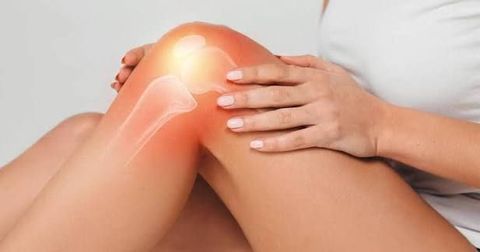
Joint conditions can develop because of injury, age-related changes, inflammation, repetitive activity, congenital conditions, or other health factors. Common orthopedic problems include osteoarthritis, fractures, ligament injuries, tendon disorders, joint instability, and sports-related injuries.
Orthopedic evaluation generally begins with a medical history and physical examination. Depending on the symptoms, healthcare professionals may use imaging, laboratory testing, or other diagnostic methods.
Treatment approaches can include:
- Activity modification
- Physical therapy
- Therapeutic exercise
- Medication
- Bracing or assistive devices
- Injections
- Rehabilitation
- Surgical procedures
- Postoperative recovery programs
The appropriate approach depends on the specific diagnosis, severity, symptoms, age, activity level, overall health, and treatment goals.
Importance
Joint and musculoskeletal conditions can affect mobility, physical activity, work, sleep, and everyday tasks.
Osteoarthritis is one of the most common joint conditions. The Centers for Disease Control and Prevention (CDC) reports that osteoarthritis affects more than 32.5 million adults in the United States.
Orthopedic care aims to address both the underlying condition and its effect on physical function.
A treatment plan may involve several healthcare professionals rather than a single intervention.
| Care area | Potential role |
|---|---|
| Orthopedic evaluation | Diagnosis and treatment planning |
| Primary care | Overall health assessment and coordination |
| Physical therapy | Strength, mobility, balance, and functional rehabilitation |
| Occupational therapy | Support for daily activities |
| Imaging | Evaluation of bones and soft tissues |
| Medication management | Symptom management where appropriate |
| Surgery | Treatment of selected structural conditions |
| Rehabilitation | Recovery of function after injury or surgery |
Rehabilitation can be particularly important after orthopedic injuries and procedures. A structured program may gradually address mobility, strength, balance, flexibility, and functional activities.
Recent Updates
Orthopedic care continues to develop through improved imaging, minimally invasive procedures, biologic research, digital rehabilitation, wearable technology, and evidence-based exercise programs.
One important trend is the increasing use of digital health and remote monitoring. Wearable devices and mobile applications can track activity, movement, exercise completion, and other measurements that may help support rehabilitation.
Artificial intelligence is also being investigated and implemented in areas such as medical imaging, surgical planning, clinical decision support, and personalized rehabilitation.
Another major area is evidence-based management of osteoarthritis. The American College of Rheumatology (ACR) and Arthritis Foundation guidelines recommend approaches such as exercise, weight management for people with overweight or obesity, and other nonpharmacologic and pharmacologic interventions depending on the patient's circumstances.
For joint replacement, surgical techniques and implant technologies continue to evolve. However, newer technology is not automatically appropriate for every patient.
Current orthopedic-care trends include:
- Personalized rehabilitation
- Digital physical therapy tools
- Wearable movement tracking
- Advanced diagnostic imaging
- Minimally invasive procedures
- Computer-assisted surgery
- Robotic-assisted surgical systems
- Improved joint-replacement designs
- Evidence-based exercise programs
Clinical decisions should remain individualized and guided by qualified healthcare professionals.
Laws or Policies
Orthopedic care is affected by healthcare regulations, medical-device requirements, professional licensing, patient privacy rules, insurance policies, and clinical standards.
In the United States, the Food and Drug Administration (FDA) regulates medical devices, including orthopedic implants, surgical devices, and certain digital health technologies. The FDA provides information about medical devices and their regulatory pathways.
Patient health information is also subject to privacy requirements. The Health Insurance Portability and Accountability Act (HIPAA) establishes federal privacy and security protections for protected health information held by covered entities and business associates.
Professional practice is generally governed through state licensing requirements and professional standards. Healthcare facilities may also follow accreditation requirements and clinical protocols.
Insurance coverage can influence access to particular treatments, diagnostic imaging, physical therapy, or surgical procedures. Coverage rules vary by insurer, plan, location, and medical circumstances.
Patients should therefore distinguish between:
- Medical appropriateness
- Regulatory approval
- Clinical guidelines
- Insurance coverage
- Individual treatment decisions
These concepts are related but are not interchangeable.
Tools and Resources
Several resources can support orthopedic care and rehabilitation.
Physical therapy programs: Structured rehabilitation programs can address strength, flexibility, mobility, balance, and functional movement.
Exercise tracking tools: Mobile applications and wearable devices can help record exercise sessions, activity levels, and movement patterns.
Imaging systems: X-ray, MRI, CT, and ultrasound may be used depending on the suspected condition and clinical requirements.
Joint-function assessments: Healthcare professionals may use standardized questionnaires and physical tests to evaluate pain, mobility, and functional limitations.
Assistive devices: Braces, orthotics, walking aids, and other devices may be recommended for specific conditions.
CDC arthritis resources: The CDC provides information about arthritis, physical activity, and musculoskeletal health.
NIAMS resources: The National Institute of Arthritis and Musculoskeletal and Skin Diseases provides information about arthritis, bone health, joint conditions, and musculoskeletal disorders.
Useful rehabilitation records can include:
- Diagnosis and treatment history
- Exercise instructions
- Physical therapy assessments
- Mobility measurements
- Strength assessments
- Pain and symptom tracking
- Medication information
- Imaging reports
- Surgical records
- Rehabilitation milestones
Patients should use healthcare resources as supplements to professional medical evaluation rather than as substitutes for diagnosis.
FAQs
What does orthopedic care involve?
Orthopedic care involves the evaluation and treatment of conditions affecting bones, joints, muscles, ligaments, tendons, cartilage, and related musculoskeletal structures.
When might physical therapy be used?
Physical therapy may be used for injuries, joint conditions, postoperative recovery, mobility problems, weakness, and other musculoskeletal conditions. The specific exercises and progression depend on the diagnosis and individual circumstances.
Does every joint problem require surgery?
No. Many orthopedic conditions can initially be managed with approaches such as exercise, physical therapy, activity modification, medications, or other nonsurgical measures. Surgery may be considered for selected conditions when clinically appropriate.
What is rehabilitation after orthopedic surgery?
Postoperative rehabilitation is a structured process intended to help restore movement, strength, function, and activity after a procedure. The timeline varies considerably according to the type of surgery and individual recovery.
When should someone seek medical evaluation for joint symptoms?
Persistent pain, significant swelling, instability, restricted movement, inability to bear weight, deformity, or symptoms following a substantial injury may warrant medical evaluation. Sudden severe symptoms or suspected fractures may require urgent assessment.
Conclusion
Orthopedic care encompasses the diagnosis, treatment, and rehabilitation of conditions affecting the musculoskeletal system.
Joint problems can range from relatively minor injuries to chronic conditions requiring long-term management or surgery. Treatment is therefore individualized and may involve physical therapy, exercise, medication, assistive devices, injections, surgical procedures, or combinations of these approaches.
Rehabilitation plays an important role in restoring function. Modern technologies such as digital health tools, wearable devices, advanced imaging, and computer-assisted procedures are increasingly incorporated into orthopedic care.
However, technology does not replace clinical judgment. Diagnosis and treatment decisions should be based on an individual's symptoms, examination findings, medical history, diagnostic results, and treatment goals.

Related Post...
Back Pain Treatment Guide: Therapy Option, Pain Management, Specialist Care, and Recovery Planning
Updated: October 08, 2026
Read More