Mold Remediation Guide: Mold Inspection, Removal Procedures, and Indoor Air Quality
Mold can develop when moisture remains present on building materials or surfaces. It may appear after leaks, flooding, condensation, plumbing problems, or prolonged humidity.
Effective mold remediation focuses on more than removing visible growth. Identifying and addressing the moisture source is an important part of preventing the problem from returning.
Understanding Mold Growth
Mold can develop in areas where moisture and suitable organic materials are present.
Common contributing conditions include:
Plumbing leaks
Roof leaks
Flooding
High indoor humidity
Condensation
Poor ventilation
Damp basements
Water-damaged materials
Visible mold may appear as discoloration, spotting, or surface growth, although not all affected areas are immediately visible.
Common Signs of a Mold Problem
Potential indicators include:
Visible mold growth
Persistent musty odors
Damp building materials
Water stains
Repeated condensation
Discoloration around walls or ceilings
Previous flooding or water damage
Recurring moisture problems
The presence of an odor or stain alone does not establish the type or extent of mold contamination.
Mold Inspection
A mold inspection generally begins with identifying areas where moisture may be present.
An assessment may consider:
| Inspection Area | Purpose |
| Visible Surfaces | Identify apparent growth |
| Moisture Sources | Locate leaks or damp conditions |
| Walls and Ceilings | Check for water-related damage |
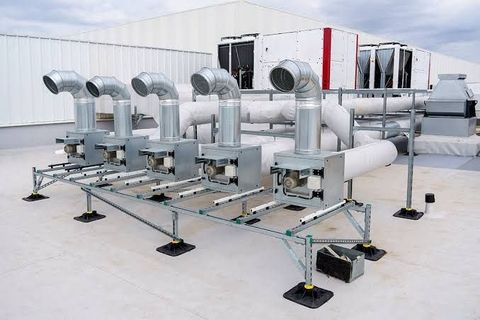
| HVAC Areas | Evaluate potential moisture concerns |
| Basements | Identify persistent dampness |
| Ventilation | Assess airflow and humidity conditions |
Testing may sometimes be considered, but visual inspection and moisture assessment are important components of understanding the situation.
Mold Remediation Procedures
Remediation approaches depend on the size, location, materials involved, and source of moisture.
General remediation may involve:
Identifying the moisture source
Isolating affected areas when appropriate
Removing contaminated porous materials when necessary
Cleaning suitable surfaces
Drying damp areas
Improving ventilation
Addressing water leaks
Monitoring the area after remediation
Professional remediation may be appropriate for extensive contamination, significant water damage, or situations involving vulnerable occupants.
Indoor Air Quality
Indoor air quality can be affected by moisture, ventilation, dust, building materials, and other environmental factors.
Steps that may support healthier indoor conditions include:
Controlling indoor humidity
Repairing leaks promptly
Improving ventilation
Keeping air-conditioning systems maintained
Drying water-damaged areas
Maintaining clean living spaces
Mold control is primarily a moisture-management issue, so removing visible growth without addressing the source may not resolve the underlying problem.
Preventing Future Mold Growth
Homeowners can reduce moisture-related risks by:
Repairing plumbing leaks
Maintaining roofs and gutters
Improving drainage
Using bathroom ventilation
Monitoring indoor humidity
Drying wet materials promptly
Checking damp basements regularly
Addressing condensation
Regular property maintenance can help identify moisture problems before they become extensive.
When Professional Assessment May Be Appropriate
Professional assistance may be useful when:
Mold covers a large area
Water damage is extensive
Mold repeatedly returns
Hidden moisture is suspected
HVAC systems may be affected
Porous building materials are extensively damaged
The source of moisture cannot be identified
Appropriate protective measures are important when disturbing mold-contaminated materials.
Frequently Asked Questions
What is mold remediation?
Mold remediation is the process of addressing mold contamination and its underlying moisture conditions. It can involve containment, cleaning, removal of affected materials, drying, and moisture control.
Is mold inspection necessary?
An inspection can help identify visible growth, moisture sources, and potentially affected areas. The need for testing or additional assessment depends on the circumstances.
What causes mold to grow indoors?
Persistent moisture from leaks, flooding, condensation, high humidity, or inadequate ventilation can create conditions favorable to mold growth.
How can mold be prevented?
Controlling moisture, repairing leaks, maintaining ventilation, managing humidity, and drying wet materials promptly can help reduce the likelihood of recurring mold.
When should a professional be contacted?
Professional assessment may be appropriate for extensive mold growth, significant water damage, recurring contamination, hidden moisture, or potential HVAC involvement.
Conclusion
Effective mold remediation involves more than cleaning visible growth. Identifying moisture sources, drying affected areas, addressing damaged materials, and maintaining appropriate indoor conditions are important parts of managing mold-related problems.
For extensive contamination or significant water damage, an appropriately qualified remediation or building professional can help assess the property and determine suitable next steps.
Disclaimer
This article is provided for general educational and informational purposes only and is not medical, environmental, construction, or remediation advice. Mold conditions vary between properties, and remediation requirements may depend on the extent of contamination, building materials, moisture sources, and local requirements. Individuals with health concerns related to indoor environments should consult an appropriate healthcare professional. Significant or extensive mold contamination should be evaluated by qualified professionals.

Related Post...
Commercial Roofing Guide: Roofing Systems, Building Protection, and Maintenance
Updated: September 01, 2026
Read More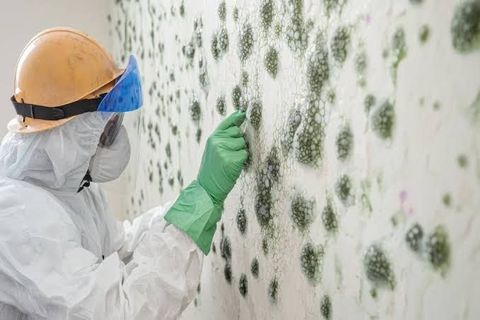
Mold Inspection Guide: Property Testing, Moisture Assessment, and Remediation Planning
Updated: September 15, 2026
Read More
Roof Inspection Guide: Damage Assessment, Maintenance Planning, and Roofing Systems
Updated: August 24, 2026
Read More