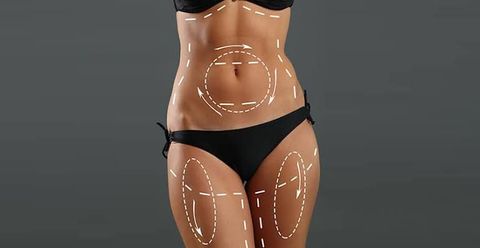
Leg Press Guide: Lower Body Strength, Muscle Engagement, and Proper Positioning
The leg press is a resistance-training exercise that targets the lower body using a machine. It primarily works the quadriceps and can also involve the glutes and hamstrings depending on the machine, foot position, range of motion, and individual technique.
Because the machine provides support for the back and torso, the leg press can be a useful addition to a structured lower-body workout.
The goal should be controlled movement and appropriate positioning, not simply moving the heaviest possible load.
Understanding the Leg Press
A typical leg press involves sitting against a supported backrest and pushing a platform away with the legs. Different machines use different angles and movement paths, so setup instructions can vary.
The exercise can train:
Quadriceps
Glutes
Hamstrings
Hip and knee extensors
Lower-body stability
Muscle involvement changes with body position and exercise technique.
Proper Positioning
Before starting, adjust the machine according to its instructions and your body dimensions.
Key points include:
Keep your back and hips supported by the pad.
Position your feet securely on the platform.
Keep your knees generally aligned with the direction of your toes.
Use a comfortable range of motion.
Avoid allowing the hips to lift from the seat.
Keep the movement controlled.
Avoid locking the knees forcefully at the top.
Your exact foot position should be based on the machine design and comfortable movement rather than assuming one position works for everyone.
Muscle Engagement
The leg press can emphasize different muscles depending on technique.
Quadriceps
The quadriceps are strongly involved as the knees extend during the pushing phase.
Glutes
The glutes contribute to hip extension, particularly when the exercise is performed through an appropriate range of motion.
Hamstrings
The hamstrings assist with hip and knee movement and contribute to lower-body stability.
A well-rounded leg workout can combine the leg press with exercises that train other movement patterns.
Range of Motion
Range of motion should be controlled and appropriate for your mobility and machine setup.
Going deeper is not automatically better if it causes:
Loss of back or hip contact
Excessive joint discomfort
Uncontrolled movement
Compromised positioning
Use a range that allows consistent technique.
Building a Simple Leg Workout
The leg press can be combined with exercises such as:
Squats
Lunges
Step-ups
Romanian deadlifts
Calf raises
Glute bridges
Beginners can start with manageable resistance and focus on learning the movement before increasing the load.
Progression
Training can gradually become more challenging through:
Additional repetitions
Additional sets
Increased resistance
Improved movement control
More consistent range of motion
Change one variable at a time when possible so progress is easier to monitor.
Common Technique Mistakes
Avoid common issues such as:
Using excessive resistance
Allowing the knees to collapse inward
Losing contact between the hips and backrest
Moving too quickly
Using an uncomfortable range of motion
Slamming the weight at the end of a repetition
Relying on momentum
If technique deteriorates, reducing the resistance can make the exercise easier to control.
Frequently Asked Questions
What muscles does the leg press work?
The leg press primarily works the quadriceps while also involving the glutes and hamstrings. Muscle emphasis varies according to machine design, positioning, and technique.
Is the leg press good for beginners?
It can be included in a beginner's strength routine when the machine is adjusted appropriately and the movement is performed with manageable resistance and controlled technique.
How should your feet be positioned on the leg press?
Foot placement depends on the machine and individual body proportions. A stable, comfortable stance with the knees generally tracking in the same direction as the toes is a useful starting principle.
Should you fully lock your knees on the leg press?
Avoid forcefully locking the knees at the end of the movement. Maintain controlled tension and follow the machine's recommended technique.
Can the leg press build leg strength?
Consistent resistance training can improve lower-body strength over time. Progress depends on training consistency, resistance, recovery, nutrition, and individual factors.
Conclusion
The leg press is a useful lower-body resistance exercise that can train the quadriceps, glutes, and hamstrings. Proper machine setup, stable positioning, controlled range of motion, and gradual progression are more important than simply increasing the load.
For a balanced routine, combine the leg press with complementary exercises that train different lower-body movement patterns.
Disclaimer
This article is provided for general educational and informational purposes only and is not individualized medical or fitness advice. Exercise suitability varies between individuals. Anyone with an injury, medical condition, persistent pain, or physical limitation should consider consulting an appropriately qualified healthcare or fitness professional before starting a new exercise program. Stop exercising if you experience sharp, severe, or unusual pain.

Related Post...

Women’s Lower Body Training Guide: Glutes, Legs, Hips, and Exercise Technique
Updated: August 17, 2026
Read More
Resistance Band Workout Guide: Full-Body Strength, Glute Activation, and Core Stability
Updated: August 17, 2026
Read More
Home Workout Guide for Women: Bodyweight Exercises, Strength, and Mobility
Updated: August 17, 2026
Read More