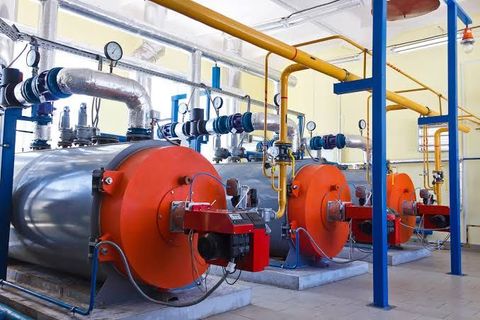
Commercial Generator Guide: Backup Power Systems, Capacity, and Facility Planning
Commercial generators are designed to provide electrical power when a primary utility supply becomes unavailable or unstable. They are commonly used in offices, healthcare facilities, warehouses, manufacturing sites, data centers, retail buildings, schools, and other facilities where electrical continuity is important.
A commercial backup generator typically combines an engine, alternator, fuel system, control panel, cooling system, exhaust system, and electrical protection equipment. Depending on the facility, the system may operate automatically when utility power is interrupted.
Generator planning starts with understanding the facility's electrical requirements. Important factors include connected loads, critical equipment, starting currents, operating schedules, fuel availability, environmental conditions, and local electrical requirements.
Why Commercial Backup Power Matters
A power interruption can affect lighting, communications, security equipment, refrigeration, computers, production machinery, elevators, pumps, and other critical systems.
Backup power planning helps facilities determine which electrical loads require continued operation and how much generator capacity is appropriate.
Key planning considerations include:
Critical and non-critical electrical loads
Generator capacity and load requirements
Automatic transfer equipment
Fuel storage and availability
Generator location and ventilation
Electrical distribution requirements
Noise and emissions considerations
Routine inspection and maintenance
Emergency operating procedures
For facilities with sensitive electronic equipment, generator planning may also involve UPS systems, surge protection, voltage regulation, and other power-quality technologies.
Understanding Generator Capacity
Generator capacity is commonly expressed in kilowatts (kW) or kilovolt-amperes (kVA). Selecting capacity based only on the total connected load can lead to an inappropriate system size.
Some equipment requires considerably more power during startup than during normal operation. Motors, compressors, pumps, HVAC equipment, and industrial machinery can create temporary electrical demand.
A basic planning process can include:
Identify electrical equipment.
Separate critical and non-critical loads.
Determine normal running demand.
Identify equipment with high starting requirements.
Consider future electrical expansion.
Evaluate generator operating conditions.
Review the proposed capacity with a qualified electrical professional.
A generator that is significantly oversized may operate inefficiently at light loads, while an undersized generator may experience overloads or difficulty starting large equipment.
Commercial Generator Types
Commercial facilities can use several generator configurations depending on their electrical requirements and operating environment.
| Generator Type | Common Application | Key Consideration |
|---|---|---|
| Diesel Generator | Industrial and commercial facilities | Fuel storage and emissions |
| Natural Gas Generator | Buildings with gas infrastructure | Fuel availability during emergencies |
| Propane Generator | Facilities using propane systems | Storage and fuel logistics |
| Standby Generator | Emergency backup applications | Automatic transfer capability |
| Prime Power Generator | Locations requiring extended operation | Operating hours and maintenance |
| Hybrid Power System | Facilities combining multiple technologies | System integration |
Diesel generators remain common for demanding commercial and industrial applications because of their established technology and high power-density characteristics.
Natural gas and propane systems can also be appropriate where fuel infrastructure and local regulations support their use.
Main Commercial Generator Components
Understanding the major components makes generator planning easier.
Engine
The engine converts fuel energy into mechanical energy. Engine configuration and fuel type influence generator performance, maintenance requirements, and operating characteristics.
Alternator
The alternator converts mechanical energy from the engine into electrical energy.
Control System
Modern generator controllers can monitor voltage, frequency, engine conditions, alarms, operating hours, and other parameters.
Automatic Transfer Switch
An automatic transfer switch, or ATS, transfers selected electrical loads between utility power and generator power when appropriate.
Fuel System
The fuel system stores and delivers the energy required for generator operation. Storage requirements depend on generator size, fuel type, operating duration, and local regulations.
Cooling and Exhaust Systems
Generators produce heat and exhaust gases during operation. Proper ventilation, cooling, and exhaust design are essential components of facility planning.
Automatic Standby Power Systems
Many commercial facilities use automatic standby generators that can respond to utility interruptions without requiring manual startup.
A typical sequence may involve:
Utility power interruption
Detection by the transfer-control system
Generator startup
Voltage and frequency stabilization
Transfer of selected loads
Continued generator operation
Utility restoration
Transfer back to normal power
Generator cooldown and shutdown
The actual sequence depends on the equipment configuration and facility design.
Automatic systems can be particularly important for facilities where personnel may not be immediately available to respond to an outage.
Facility Planning and Generator Location
Generator placement requires more than identifying an available outdoor area.
Planning may need to address:
Equipment accessibility
Ventilation
Exhaust direction
Fuel storage
Electrical connections
Fire protection
Noise
Weather exposure
Maintenance access
Structural support
Local zoning requirements
Indoor installations can require dedicated ventilation and exhaust arrangements. Outdoor installations may require weather protection and appropriate clearances.
The generator and associated equipment should be accessible for inspection and maintenance without interfering with normal facility operations.
Fuel and Runtime Planning
Backup generator runtime depends on generator load, fuel capacity, fuel type, and operating conditions.
Facilities should determine how long critical systems may need backup power during a potential interruption. This can help establish appropriate fuel-storage and replenishment planning.
Fuel planning should consider:
Expected operating duration
Generator load profile
Fuel storage capacity
Fuel quality
Environmental conditions
Delivery logistics
Emergency access
Applicable storage regulations
Facilities that depend heavily on backup generation may also evaluate fuel availability during widespread emergencies.
Generator Maintenance Planning
Regular maintenance helps identify developing problems before an emergency occurs.
A maintenance program may include:
Visual inspections
Battery checks
Engine-fluid inspections
Cooling-system checks
Fuel-system inspections
Electrical connection checks
Control-panel testing
Transfer-switch testing
Exhaust-system inspection
Load testing
Operating-hour documentation
Maintenance intervals vary according to generator design, manufacturer recommendations, operating conditions, and applicable requirements.
Facilities should maintain records of inspections, testing, repairs, alarms, and operating hours.
Generator Safety
Commercial generators involve electrical, mechanical, thermal, fuel, and exhaust hazards.
Important safety considerations include:
Never operate combustion generators in areas without appropriate ventilation.
Keep combustible materials away from hot equipment and exhaust components.
Follow electrical grounding and connection requirements.
Use qualified personnel for electrical installation and modifications.
Maintain appropriate clearance around equipment.
Follow manufacturer operating procedures.
Monitor fuel-storage requirements.
Keep carbon-monoxide risks under consideration for combustion equipment.
Restrict unauthorized access to generator areas.
Generator installations should be evaluated against applicable electrical, fire, building, environmental, and occupational-safety requirements.
Recent Generator Technology Developments
Commercial generator technology continues to evolve alongside broader changes in facility energy management.
Modern systems increasingly include:
Digital generator controllers
Remote equipment monitoring
Automated diagnostics
Load-management systems
Parallel generator configurations
Battery-integrated backup systems
Hybrid energy systems
Improved emissions controls
Advanced power-quality monitoring
Remote monitoring can allow facility personnel to review operating conditions, alarms, maintenance indicators, and system status from centralized platforms.
Some facilities are also combining generators with batteries, renewable generation, and energy-management systems to create more flexible backup-power architectures.
Laws, Standards, and Compliance
Generator installations may be subject to several layers of requirements.
Depending on location and facility type, planning may involve:
National electrical requirements
Local building codes
Fire codes
Environmental regulations
Fuel-storage requirements
Air-emissions requirements
Occupational-safety rules
Emergency-power requirements
In the United States, the National Electrical Code includes requirements relevant to emergency and standby systems. NFPA standards also address areas such as emergency power systems and fire protection.
Air-emissions requirements may apply to stationary engines, particularly larger installations or systems operating for extended periods. Requirements can vary by engine type, fuel, location, and operating conditions.
Facilities should verify current federal, state, and local requirements before designing or modifying a commercial generator system.
Tools and Resources
Several resources can help facility teams understand generator planning and electrical requirements.
Useful resources include:
Generator capacity calculators
Electrical load schedules
kW and kVA calculation tools
Generator monitoring platforms
Automatic transfer-switch documentation
Manufacturer maintenance manuals
Electrical single-line diagrams
Fuel-consumption data
Preventive-maintenance checklists
Local building and fire-code resources
A detailed electrical load study can provide a more reliable foundation for generator capacity planning than relying on general estimates.
FAQs
What size generator does a commercial facility need?
The appropriate size depends on the facility's electrical load, critical equipment, motor-starting requirements, operating conditions, and future expansion plans. A qualified electrical professional can evaluate the load profile.
What is the difference between kW and kVA?
kW represents real electrical power, while kVA represents apparent power. The relationship between them depends partly on power factor. Generator specifications commonly reference both measurements.
How long can a commercial generator operate?
Runtime depends on generator load, fuel capacity, fuel type, operating conditions, and fuel replenishment. A larger fuel reserve can support longer operation when appropriate requirements are met.
Does a commercial generator start automatically?
Many standby generator systems are configured for automatic operation through an automatic transfer switch. The exact sequence depends on the generator and electrical-system design.
How often should a commercial generator be maintained?
Maintenance frequency varies by generator model, operating hours, environment, manufacturer guidance, and applicable requirements. Regular inspection and scheduled testing are important parts of facility planning.
Conclusion
Commercial generators can play an important role in maintaining electrical continuity for facilities that depend on critical equipment and infrastructure. Effective planning involves much more than selecting a generator's power rating.
Capacity analysis, load prioritization, transfer equipment, fuel planning, ventilation, equipment location, maintenance, safety, and regulatory requirements should all be considered together.
As generator technology becomes increasingly connected with remote monitoring, battery systems, and facility energy-management platforms, commercial backup power is becoming part of a broader approach to electrical resilience and operational planning.

Related Post...

Commercial Kitchen Equipment Guide: Foodservice Systems, Equipment, and Facility Planning
Updated: September 09, 2026
Read More
Water Treatment Equipment Guide: Filtration Systems, Industrial Processing, and Planning
Updated: September 09, 2026
Read More
Commercial Generator Guide: Backup Power Systems, Capacity, and Facility Planning
Updated: September 09, 2026
Read More