Commercial Fire Sprinkler Systems Guide: Design Standards, Inspection Planning, Safety Insights, and Compliance Basics
Commercial fire sprinkler systems are an important component of building fire protection. They are designed to detect and control or suppress fires at an early stage, helping protect occupants, property, and business operations.
Sprinkler-system requirements depend on factors such as building occupancy, construction type, hazard classification, storage arrangements, building height, water supply, and applicable fire and building codes.
In the United States, NFPA 13, Standard for the Installation of Sprinkler Systems, is a major reference for sprinkler-system design, installation, and acceptance testing. NFPA identifies its current edition as the 2025 edition.
How Commercial Fire Sprinkler Systems Work
A typical automatic sprinkler system uses a network of water-filled or otherwise pressurized piping connected to sprinkler heads and a water supply.
When a sprinkler is exposed to sufficient heat, its activation mechanism operates and allows water to discharge.
A simplified system may include:
Water supply
Fire pump where required
Control valves
Riser
Distribution piping
Sprinkler heads
Waterflow detection
Supervisory devices
Fire department connection
Alarm interface
Pressure-monitoring equipment
Sprinkler systems are generally designed so that individual sprinkler heads activate in response to heat rather than all sprinklers opening simultaneously.
Major Types of Commercial Sprinkler Systems
Commercial buildings may use different sprinkler-system configurations depending on environmental conditions and fire hazards.
Wet-Pipe Systems
Wet-pipe systems normally keep water in the sprinkler piping.
They are commonly used where temperatures remain above freezing and are relatively straightforward compared with other system types.
Dry-Pipe Systems
Dry-pipe systems use pressurized air or nitrogen in the piping, with water held behind a valve.
They can be appropriate for areas where freezing temperatures could damage a water-filled system.
Preaction Systems
Preaction systems use additional detection or supervisory controls before water enters portions of the sprinkler piping.
They may be considered where accidental water discharge could create significant consequences.
Deluge Systems
Deluge systems use open discharge devices and are designed for specialized high-hazard applications where rapid application of water is required.
System selection should be based on the building's hazard, environment, design objectives, and applicable standards.
Commercial Sprinkler System Design
Sprinkler design is more than simply placing sprinkler heads throughout a building.
Design considerations can include:
Occupancy classification
Hazard classification
Building construction
Ceiling configuration
Storage height
Commodity classification
Sprinkler type
Sprinkler spacing
Water demand
Available water pressure
Pipe sizing
Hydraulic calculations
Fire pump requirements
Control valves
Fire department connections
Obstructions
Environmental conditions
NFPA 13 provides requirements addressing sprinkler-system design, installation, water supplies, components, layouts, and acceptance testing.
Hazard Classification
The required sprinkler design can change substantially depending on the hazard being protected.
Commercial facilities may contain:
Offices
Retail areas
Restaurants
Warehouses
Manufacturing spaces
Parking structures
Storage areas
Industrial processes
High-piled storage
Special-hazard areas
Storage arrangements can be particularly important because commodity type, storage height, rack configuration, and packaging can influence sprinkler-system requirements.
Water Supply and Fire Pumps
A sprinkler system requires an adequate water supply for its design conditions.
Depending on the facility, the system may rely on:
Municipal water
Dedicated water tanks
Fire pumps
Pressure-maintenance equipment
Combination water supplies
A fire pump may be necessary when the available water supply cannot provide the pressure or flow required by the sprinkler design.
Water-supply evaluation can involve hydraulic calculations, flow testing, pressure measurements, and consideration of available system demand.
Sprinkler Heads and Components
Commercial sprinkler systems use multiple components that must work together.
Important components can include:
Sprinkler heads: Discharge water when their activation mechanism responds to heat.
Piping: Delivers water throughout the protected area.
Control valves: Control water flow and must remain in their intended operating position.
Waterflow devices: Detect water movement and can provide an alarm signal.
Supervisory devices: Monitor important conditions such as valve position or system pressure.
Fire department connection: Provides a connection point that can allow the fire department to supplement the system's water supply.
Fire pump: Provides additional pressure or flow when required by system design.
Inspection, Testing, and Maintenance
A sprinkler system needs ongoing inspection, testing, and maintenance after installation.
NFPA 25 provides the principal framework for inspection, testing, and maintenance of water-based fire protection systems. NFPA describes activities ranging from routine visual checks to more complex testing and internal assessments.
Inspection and maintenance activities can involve:
Valve position checks
Water-supply checks
Sprinkler inspections
Alarm testing
Waterflow testing
Fire pump testing
Pressure monitoring
Pipe inspections
Fire department connection inspections
Obstruction investigations
Internal system assessments
The exact frequency depends on the system component, system type, applicable standard, and adopted local requirements.
Inspection Planning
A commercial facility can organize inspection activities around a documented schedule.
A planning framework may include:
| Area | Planning Focus |
|---|---|
| Sprinklers | Condition, accessibility, obstruction |
| Valves | Position, supervision, accessibility |
| Water supply | Pressure, availability, condition |
| Fire pump | Testing and operating condition |
| Alarm interface | Signal and supervisory functions |
| Piping | Leakage, corrosion, damage |
| FDC | Accessibility and condition |
| Records | Test results and corrective actions |
NFPA 25 materials identify different inspection and testing intervals, including daily, weekly, monthly, quarterly, annual, three-year, and five-year frequencies depending on the specific activity.
Sprinkler Deficiencies and Impairments
Not every inspection finding has the same significance.
A deficiency may involve a condition that does not necessarily prevent system operation, while an impairment can affect the system's ability to perform its intended fire-protection function.
NFPA emphasizes the importance of identifying conditions that could affect system reliability and distinguishing them from findings with less impact on system performance.
Examples of concerns can include:
Closed control valves
Damaged sprinkler heads
Obstructed sprinklers
Corroded piping
Inaccessible valves
Inadequate water pressure
Damaged monitoring equipment
Problems with fire pumps
Blocked fire department connections
Significant impairments should be handled according to the applicable impairment procedures and authority requirements.
Fire Sprinkler Safety
Fire sprinkler systems themselves require appropriate safety practices during inspection, maintenance, modification, and impairment.
Important considerations include:
Qualified personnel
Appropriate system isolation procedures
Lockout or control procedures where applicable
Protection against unintended discharge
Proper valve management
Safe access to equipment
Coordination with building occupants
Fire-watch arrangements where required
Documentation of system impairments
Prompt restoration after work
Personnel should follow applicable standards, manufacturer instructions, workplace-safety requirements, and facility procedures.
OSHA Requirements
For U.S. workplaces, OSHA's 29 CFR 1910 Subpart L addresses fire protection and includes §1910.159, Automatic sprinkler systems. The subpart also covers other fire-protection systems and equipment.
Workplace fire-protection requirements should be evaluated together with applicable building codes, fire codes, and local requirements.
International Fire Code Considerations
The 2024 International Fire Code (IFC) includes provisions addressing automatic sprinkler systems, water supplies, fire protection systems, and other fire-safety requirements.
The applicable code depends on the jurisdiction and the edition adopted by the authority having jurisdiction (AHJ).
A building may therefore need to comply with a combination of:
Locally adopted fire code
Building code
NFPA standards
OSHA requirements where applicable
Local amendments
Fire-department requirements
Equipment listing requirements
Insurance or facility requirements
Commercial Sprinkler System Acceptance Testing
New or modified sprinkler systems generally require acceptance testing before being placed into service.
Testing can involve verification of:
Piping installation
Water supply
Control valves
Alarm functions
Waterflow detection
Fire department connections
System performance
Required documentation
NFPA 13 specifically addresses acceptance testing as part of sprinkler-system requirements.
The exact testing process depends on the system configuration and applicable requirements.
Documentation and Records
Maintaining accurate records is an important part of sprinkler-system management.
Records may include:
Original design documents
Hydraulic calculations
Installation records
Acceptance-test documentation
Inspection reports
Testing reports
Maintenance records
Deficiency reports
Corrective-action records
Impairment documentation
Fire-pump test results
System modification records
Good documentation can help facility teams demonstrate system history and identify recurring problems.
Commercial Fire Sprinkler System Maintenance
Preventive maintenance helps identify problems before they affect system reliability.
Maintenance planning may include:
Inspecting sprinkler heads
Checking valves
Monitoring corrosion
Maintaining fire pumps
Testing alarm connections
Checking water supplies
Inspecting fire department connections
Addressing deficiencies
Maintaining access around equipment
Updating system documentation
Maintenance requirements should follow the applicable edition of NFPA 25 and any additional local requirements.
Recent Developments
Fire sprinkler technology and inspection practices continue to evolve alongside changes in building design, storage systems, industrial processes, and emerging hazards.
Recent areas of attention include:
Advanced sprinkler technologies
Improved monitoring systems
Digital inspection records
Remote system monitoring
Improved corrosion management
More detailed storage protection requirements
Fire protection for energy-storage facilities
Integration with building fire alarm systems
The 2024 IFC continues to address emerging hazards such as energy-storage systems and lithium-ion battery applications, demonstrating how fire-protection requirements continue to evolve with building and technology changes.
Commercial Fire Sprinkler Planning Checklist
Facility teams can review:
Identify building occupancy
Determine applicable hazard classification
Review storage arrangements
Confirm applicable fire and building codes
Verify sprinkler-system design basis
Review available water supply
Confirm fire-pump requirements
Maintain accessible control valves
Establish inspection schedules
Establish testing schedules
Document maintenance activities
Track deficiencies
Establish impairment procedures
Maintain acceptance-test records
Review system changes after renovations
Coordinate with the AHJ when required
Tools and Resources
Useful resources for commercial sprinkler planning include:
NFPA 13: Installation and design requirements for sprinkler systems.
NFPA 25: Inspection, testing, and maintenance requirements for water-based fire protection systems.
OSHA 29 CFR 1910 Subpart L: U.S. workplace fire-protection requirements.
International Fire Code: Fire-code provisions concerning sprinkler systems, water supplies, and building fire protection.
Fire-protection engineering documentation
Hydraulic calculation records
Inspection and testing reports
Fire-pump testing records
Facility impairment procedures
Frequently Asked Questions
1. What standard is commonly used for commercial fire sprinkler design?
NFPA 13 is a major U.S. standard addressing the design, installation, and acceptance testing of automatic sprinkler systems. The applicable edition and local amendments depend on the jurisdiction.
2. What standard covers sprinkler inspection and maintenance?
NFPA 25 addresses inspection, testing, and maintenance of water-based fire protection systems, including automatic sprinkler systems.
3. How often should a commercial sprinkler system be inspected?
There is no single interval for every component. Inspection, testing, and maintenance frequencies depend on the specific system and component and the applicable NFPA 25 requirements and local rules.
4. What happens if a sprinkler system is impaired?
A sprinkler-system impairment can reduce or eliminate fire-protection capability. Appropriate impairment procedures, notifications, temporary protection, and prompt restoration should be followed according to applicable requirements.
5. Does every commercial building require sprinklers?
Not necessarily. Requirements depend on occupancy, building characteristics, size, construction, hazards, code adoption, and local regulations. The authority having jurisdiction determines how adopted codes apply to a specific building.
Conclusion
Commercial fire sprinkler systems require coordinated design, installation, acceptance testing, inspection, testing, maintenance, documentation, and compliance management.
NFPA 13 provides a major reference for sprinkler-system design and installation, while NFPA 25 addresses ongoing inspection, testing, and maintenance. OSHA and locally adopted fire and building codes can add additional requirements depending on the facility and jurisdiction.
Effective sprinkler-system planning should consider the building's hazards, water supply, system configuration, inspection schedule, documentation, impairment procedures, and applicable authority requirements.

Related Post...

Corporate Travel Expenses Guide: Reimbursement Policies, Reporting, or Spending Control
Updated: September 25, 2026
Read More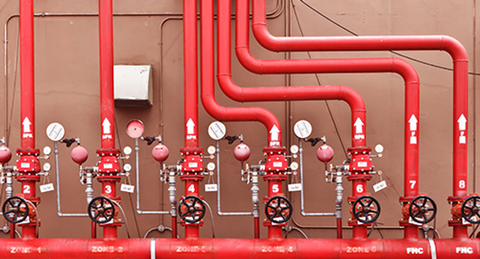
Guide for Corporate Travel Expenses: Reimbursement Policies, Reporting, or Spending Controls
Updated: September 25, 2026
Read More