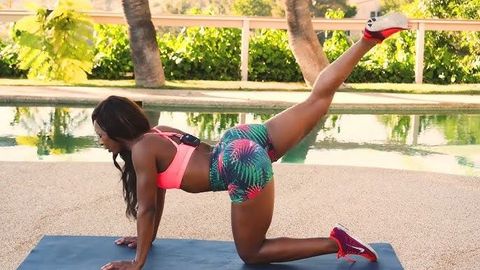
Back Workout Guide for Women: Posture, Upper Body Strength, and Muscle Activation
Back training can help women develop upper-body strength and improve their ability to perform everyday pulling, lifting, and carrying movements. Strong back muscles also contribute to stable positioning during many exercises.
A balanced routine can include movements for the upper back, lats, and muscles that support the shoulders and spine. Good technique and controlled movement are more important than simply increasing resistance.
Understanding Back Training
The back contains several muscle groups that work together during pulling and stabilizing movements.
Common back exercises include:
Lat pulldowns
Seated rows
Dumbbell rows
Resistance-band rows
Assisted pull-ups
Rear-delt exercises
Back extensions
Different exercises emphasize different areas of the back.
Common Back Exercises
| Exercise | Primary Focus |
| Lat Pulldown | Lat and upper-back strength |
| Seated Row | Upper and middle back |
| Dumbbell Row | Back strength and unilateral control |
| Band Row | Accessible pulling exercise |
| Assisted Pull-Up | Back and upper-body pulling strength |
| Rear-Delt Fly | Rear shoulders and upper back |
| Back Extension | Posterior-chain conditioning |
Muscle Activation and Technique
Muscle activation refers to the muscles contributing to a movement. During back exercises, controlled pulling can help maintain focus on the intended movement.
Useful technique principles include:
Keep your torso stable.
Avoid excessive momentum.
Pull with controlled movement.
Keep your shoulders in a comfortable position.
Control the return phase.
Use resistance that allows consistent form.
For beginners, lighter resistance can make it easier to learn the movement.
Back Training and Posture
Back exercises can strengthen muscles involved in maintaining and controlling upper-body positioning. However, posture is influenced by multiple factors, including movement habits, strength, mobility, workstation setup, and individual anatomy.
A useful routine can combine back strengthening with:
Shoulder mobility
Core exercises
Chest mobility
Upper-body stretching
General movement throughout the day
Exercise alone does not guarantee a particular posture outcome.
Building a Simple Back Workout
A beginner-friendly session could include:
Lat pulldowns
Seated or resistance-band rows
Dumbbell rows
Rear-delt fly
Gentle upper-body mobility work
Start with manageable resistance and focus on controlled repetitions.
Progression Options
Training can gradually become more challenging through:
Additional repetitions
Additional sets
Increased resistance
More challenging variations
Slower controlled repetitions
Improved movement quality
Allow adequate recovery between demanding back sessions.
Balancing Upper-Body Training
Back exercises can be combined with other upper-body movements for a more complete routine.
Consider including:
Shoulder exercises
Chest exercises
Biceps exercises
Triceps exercises
Core stability exercises
Training both pushing and pulling movements can help create a balanced program.
Common Training Mistakes
Some common issues include:
Using excessive weight
Swinging the body during rows
Pulling with momentum
Rushing repetitions
Losing torso stability
Neglecting the return phase
Increasing resistance too quickly
If form becomes inconsistent, reducing resistance can help restore control.
Frequently Asked Questions
What are good back exercises for women?
Lat pulldowns, rows, dumbbell rows, assisted pull-ups, resistance-band rows, and rear-delt exercises are practical options for developing back strength.
Can back exercises improve posture?
Strengthening back and supporting muscles can contribute to better movement control, but posture is influenced by many individual and environmental factors.
How often should women train their backs?
Training frequency depends on intensity, overall weekly volume, experience, recovery, and individual goals. Adequate recovery between demanding sessions is important.
Are back exercises suitable for beginners?
Yes. Beginners can start with resistance bands, machines, or light weights while learning controlled pulling movements.
Should back exercises cause pain?
Muscular effort is normal during resistance training, but sharp, severe, or unusual pain should not be ignored. Stop the movement if pain occurs and seek appropriate professional guidance when necessary.
Conclusion
A balanced back workout for women can support upper-body strength, pulling ability, muscle coordination, and controlled movement. Exercises such as rows, lat pulldowns, assisted pull-ups, and rear-delt movements train different parts of the back and surrounding muscles.
Focus on proper form, controlled muscle engagement, manageable resistance, and gradual progression. Combining back training with shoulder, chest, arm, and core exercises can create a more complete upper-body routine.
Disclaimer
This article is provided for general educational and informational purposes only and is not individualized medical or fitness advice. Exercise suitability varies between individuals. Anyone with a back or shoulder injury, medical condition, persistent pain, or physical limitation should consider consulting an appropriately qualified healthcare or fitness professional before beginning a new exercise routine. Stop exercising if you experience sharp, severe, or unusual pain.

Related Post...

Low-Impact Workout Guide: Strength Exercises, Mobility, and Full-Body Conditioning
Updated: August 17, 2026
Read More
Resistance Band Workout Guide: Full-Body Strength, Glute Activation, and Core Stability
Updated: August 17, 2026
Read More
Dumbbell Exercises for Women: Full-Body Strength, Muscle Activation, and Proper Technique
Updated: August 17, 2026
Read More